

How to Choose a Party or Cocktail Dress for Your Body Type
A cocktail dress has a different job than a wedding gown. It needs to work in a crowded room, under bright lights, for a few hours of standing, talking, and probably dancing at some point.
So how to choose a party dress that actually holds up through all of that, while still looking like the best version of you?
Start with your body, not the trend of the season. Bust, waist, hips, shoulders, and height all decide how a silhouette sits, and a dress that looked incredible on someone else in a reel can hang completely differently on you.
Fabric, neckline, hemline, and sleeve length matter just as much as the overall shape. Get those right, and the dress does most of the work on its own.
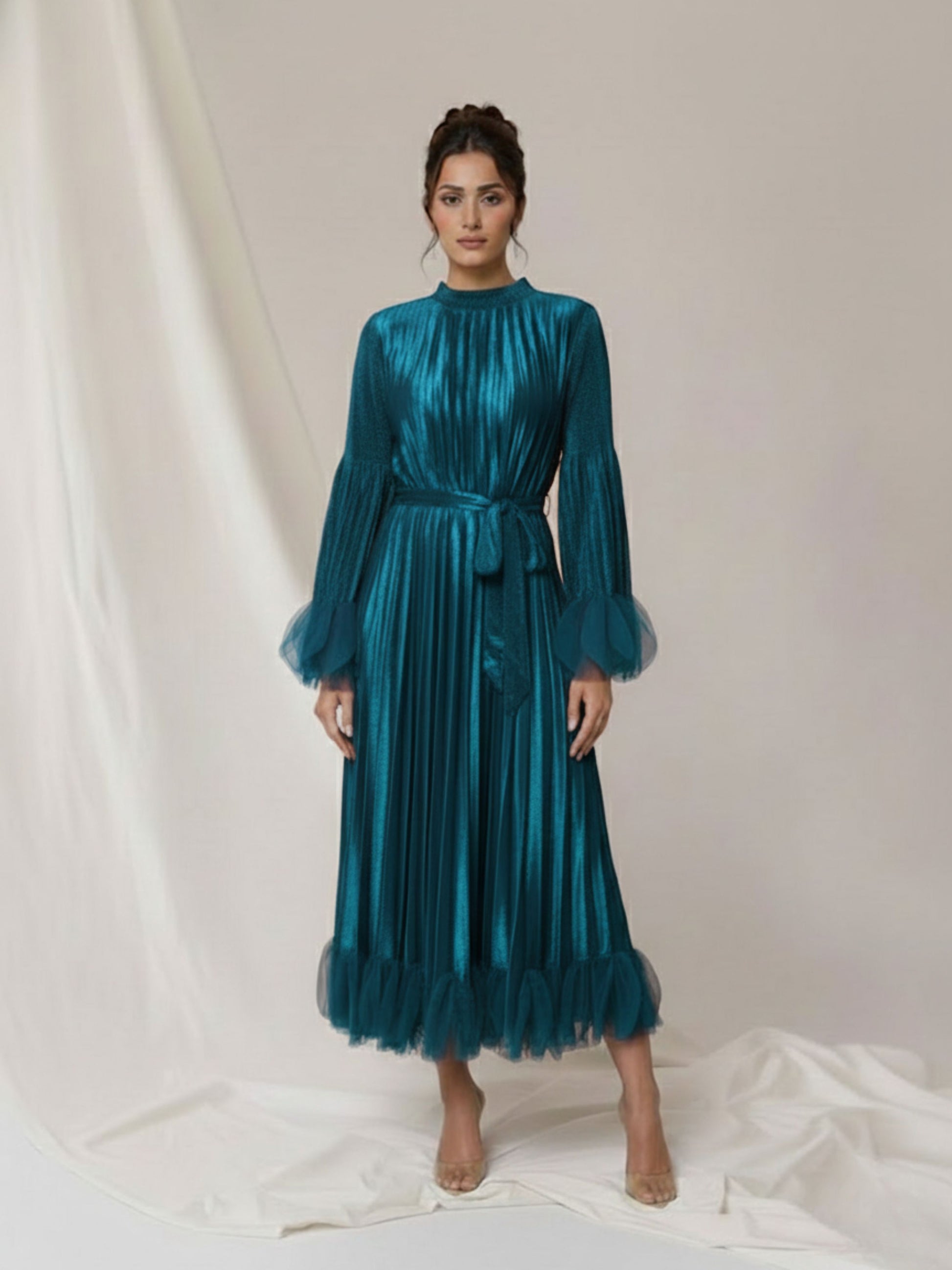
Start With Your Proportions
Two people can wear the exact same dress size and still look completely different in the same cut.
That's proportion at work. Shoulder width relative to hips, waist definition, torso length, all of it changes how fabric falls once you actually put the dress on.
A bodycon dress reacts to curves very differently than a shift dress does. A wrap style behaves differently depending on where your natural waist actually sits. None of this is about "flaws," it's just fabric responding to shape.
Take a few minutes with a measuring tape before you shop. You're not trying to categorize yourself into a box, you just want enough information to know what's likely to fit well and what might need altering.
Party Dress Silhouettes by Body Shape
Body shape is a decent starting point for narrowing options, though it shouldn't box you in.
|
Body Shape |
Silhouettes to Try |
What They Highlight |
|
Hourglass |
Bodycon, wrap, fit-and-flare |
Defined waist, balanced bust and hip |
|
Pear |
A-line, fit-and-flare, structured bodice |
Upper body, with skirt volume below the waist |
|
Apple |
Empire waist, shift, wrap |
Vertical line, comfortable waist placement |
|
Rectangle |
Bodycon with a belt, peplum, ruched styles |
Added waist definition and shape |
|
Inverted Triangle |
A-line, fuller skirt, softer neckline |
Balance between shoulders and lower body |
Treat this table as a shortcut, not a rulebook. Fabric weight, cut, and tailoring can shift the entire result, sometimes more than the silhouette category itself does.
Best Cocktail Dress Styles for an Hourglass Shape
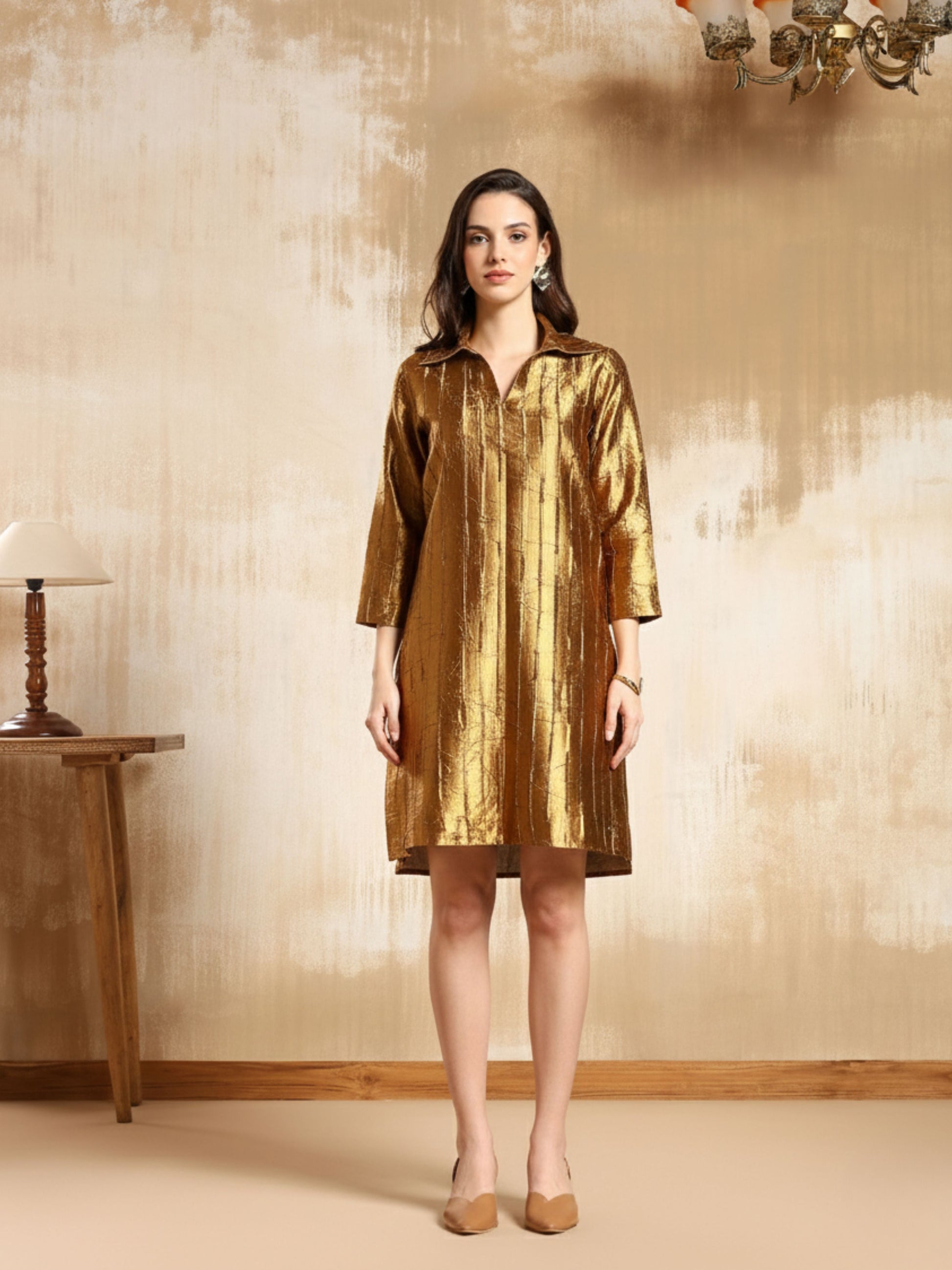
Balanced bust and hip proportions tend to look sharp in anything that respects the waist.
Bodycon and wrap dresses follow the body's existing curve instead of fighting it. A fit-and-flare style does something similar while adding a little more room to move once you're on your feet for hours.
Don't assume tighter automatically means better here.
Sit down in the dress before you commit. Raise your arms above your head. If a fabric restricts you at the hips or waist while you're just sitting still, dancing is going to be a real problem later.
Cocktail Dresses for Pear-Shaped Bodies
Pear shapes usually carry more visual weight around the hips than the shoulders.
An A-line cut smooths that transition out, letting the skirt do the balancing work instead of clinging tightly. A structured or detailed bodice pulls attention upward at the same time, which helps even things out further.
Necklines matter here too. A boat neck or off-shoulder cut widens the shoulder line just enough to counterbalance a fuller hip.
There's no obligation to disguise anything. If a fitted skirt feels right, wear it. The goal is balance, not concealment.
Cocktail Dresses for Apple-Shaped Bodies
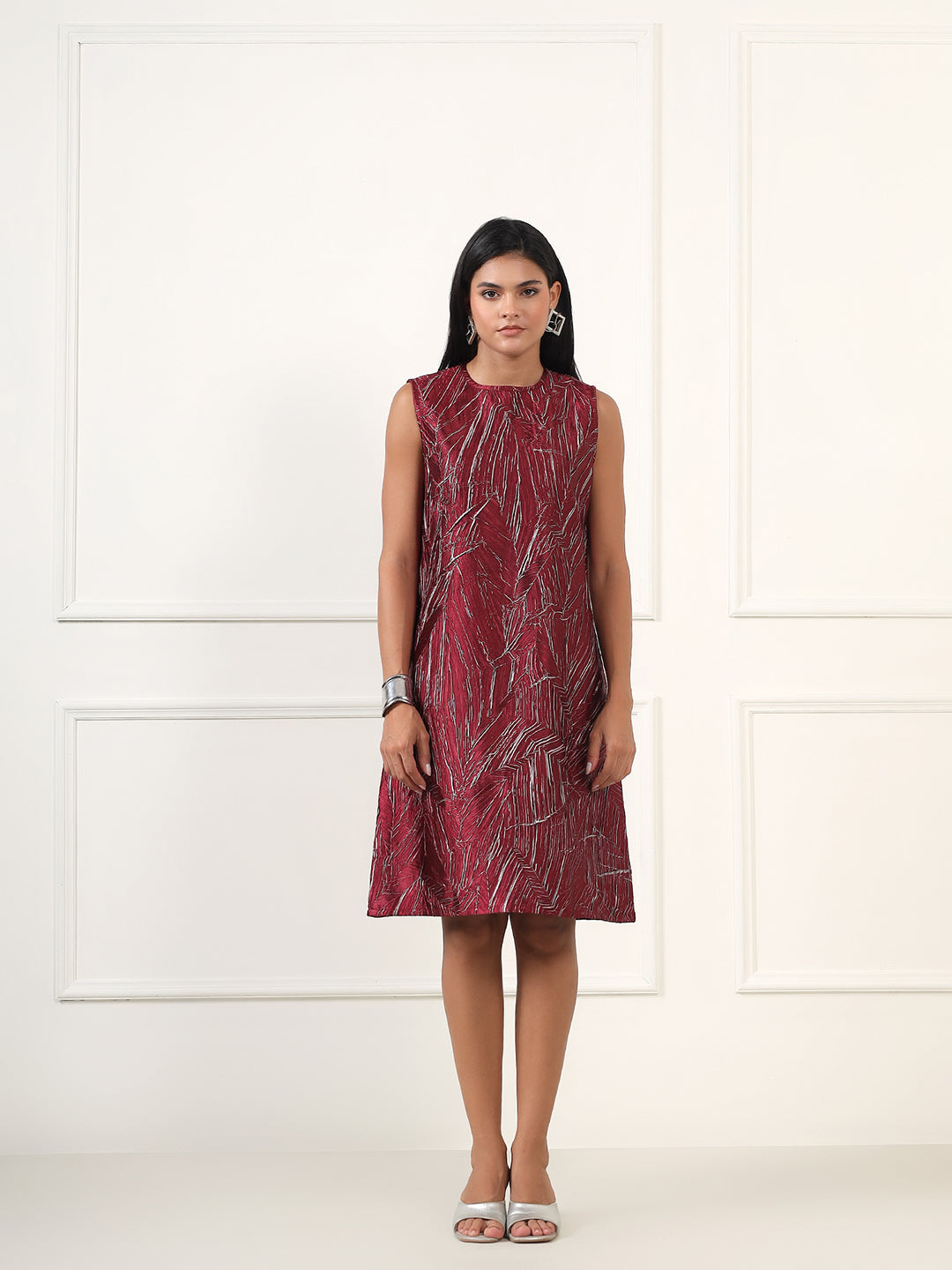
For apple shapes, waist placement changes the whole read of a dress.
An empire waist sits just under the bust and lets everything fall loosely from there, which usually feels more comfortable too. A shift dress skips the fitted waist altogether and creates a clean vertical line instead.
Wrap styles work well when they cross higher on the torso rather than right at the natural waistline. A V-neck adds length upward, and structured sleeves can bring some shape to an otherwise simple silhouette.
None of these choices are about hiding the midsection. They're just different ways of managing where the eye lands first.
Cocktail Dresses for Rectangle Body Shapes
Rectangle proportions run fairly even through the shoulders, waist, and hips, which honestly opens up a lot of options.
A belt or defined waist seam adds shape where a straight-cut dress might otherwise read as flat. Peplum details do something similar, adding volume right at the hip for a more sculpted look.
Ruching is worth trying too, it introduces texture and shape without needing heavy embellishment to do it.
Prefer something simpler? A clean, straight silhouette in a structured fabric can look just as sharp, sometimes sharper, than anything more elaborate.
Cocktail Dresses for Inverted Triangle Shapes
Inverted triangle proportions carry more width through the shoulders than the hips.
A fuller A-line skirt adds volume lower down, balancing the frame out from top to bottom. Softer, simpler necklines help too, since they keep attention from stacking up around the shoulders even more.
That doesn't mean statement sleeves are off the table. If you love a puff sleeve or a dramatic neckline, wear it, just look at the whole dress together rather than judging one detail in isolation.
Choosing the Right Neckline for a Party Dress
The neckline sits right by your face, so even a small shift changes the entire mood of the dress.
V-Neck
Creates a clean vertical line and works for most body types. A deeper V makes more of a statement, a shallow one stays understated.
Sweetheart Neckline
Curved and soft, common on fitted party dresses. Check that it holds its shape while you're moving, not just standing still for a photo.
One-Shoulder
Asymmetrical by design, and it draws the eye diagonally rather than straight across. Works especially well for evening events where you want something a little different from the usual.
Halter Neckline
Straps meet at the neck, shoulders stay mostly bare. Reads modern and a bit more formal, but fit around the neck and bust needs to be checked carefully before buying.
Off-Shoulder
Sits right at the top of the arm and frames the collarbone. Great for evening lighting, though comfort during movement is worth testing before the event, not during it.
Party Dress Length and When Each Works
Length changes both the formality of the dress and how it works with the setting.
Mini dresses suit casual parties, pre-wedding functions, and daytime celebrations where you'll be moving around a lot.
Midi dresses land right below the knee, a solid middle ground for cocktail hours and semi-formal events.
Knee-length dresses are the classic cocktail-party default, formal enough without feeling like a full gown.
Maxi dresses work for evening receptions or dressier occasions where you want more presence in the room.
Height plays a role, sure, but hem placement matters more than the number on a measuring tape. A midi that hits mid-calf on one person can land at the ankle on another, so always check the actual length on your own body, not just the size chart.
Fabric Choices for Party and Cocktail Dresses
Fabric decides how a dress moves under lights, how it photographs, and honestly how comfortable it stays through a long night.
Satin has that polished shine that photographs beautifully under indoor lighting, though it can run warm in a crowded room. Velvet leans richer and heavier, better suited to winter events than a summer function.
Chiffon and georgette move easily and stay light on the body, good picks if you'll be dancing or standing for hours. Sequin and embellished fabrics bring drama but tend to add weight, worth trying on before assuming they'll feel comfortable all evening.
Crepe holds a clean, structured shape without much fuss, while jersey and other stretch fabrics move with the body more forgivingly than stiffer materials do.
Touch the fabric before deciding anything based on a photo. How it photographs and how it actually feels against skin for four hours are two very different questions.
Dressing for the Occasion, Not Just the Body
The event itself changes what actually makes sense to wear.
Cocktail Party or Reception
Richer fabrics, deeper colors, and a bit more shimmer usually fit the mood. Think about the lighting, sequins and metallics read completely differently indoors versus outside.
Daytime Function
Lighter fabrics and shorter lengths tend to work better here. Heavy embellishment can feel out of place before evening.
Sangeet or Pre-Wedding Function
More room for color, movement, and a bit of drama, since these events usually involve some dancing.
Corporate or Semi-Formal Event
A cleaner silhouette with less embellishment reads more appropriate, midi length is usually a safe bet here.
Comfort Checks Before You Buy
A cocktail dress has to survive real movement, not just a mirror selfie.
Sit down in it for a few minutes. Walk across the room. Raise your arms overhead and see if anything pulls or rides up.
Check the zipper and closures under a bit of movement too, not just while standing perfectly still. If you'll be dancing, do a small test twirl if the store allows it.
Think about undergarments as well. Bring what you'd actually wear underneath, since a strapless dress or a low back changes what works there.
Common Mistakes When Buying a Party Dress
A handful of mistakes come up again and again.
Buying based only on a photo. A dress reacts to your specific proportions, not a model's. Try the actual silhouette before deciding it's wrong for you.
Skipping the movement test. Standing still for two minutes tells you nothing about how the dress feels after two hours of standing and dancing.
Ignoring the venue. A heavy fabric at an outdoor summer event, or a very light one at an air-conditioned winter reception, both create problems that are easy to avoid upfront.
Overlooking undergarments. The right shapewear or strapless bra can completely change how a dress sits, so factor that in before the final fitting, not after.
How Onto By Aanchal Fits This Search
Once you know your preferred silhouette, neckline, and length, browsing gets a lot faster.
The party wear dresses collection covers a wide range of silhouettes and detailing levels for cocktail parties, receptions, and evening functions.
For something more elevated, The Luxe Collection has dresses and sets built specifically around weddings, parties, and special occasions.
If the event calls for something shorter and easier to move in, cocktail party dresses is worth checking, with a mix of dresses, sets, and shorter occasion styles.
And for anyone still figuring out direction, the new arrivals section is a quick way to see newer silhouettes without narrowing down too early.
Final Thoughts
There's no single dress that works for every body at every party.
Start with your proportions, then layer in silhouette, neckline, length, and fabric. After that, factor in the venue, the season, and how much moving around you'll actually be doing.
The best party dress is the one that still feels comfortable two hours in, not just the one that looks right in the fitting room mirror.
That's really the answer to how to choose a party dress: something that fits your body, suits the occasion, and still feels like you by the end of the night.
Frequently Asked Questions
1. How do I choose a cocktail dress for my body type?
Start with your proportions rather than a fixed body-shape rule. Compare silhouettes, waist placement, and neckline options, then pick the combination that feels balanced and comfortable when you actually move in it.
2. What is the most flattering cocktail dress style?
A-line and wrap dresses tend to work across a wide range of body types because they create natural waist definition without being overly fitted. The final result still depends on fabric and length.
3. What length is best for a cocktail party?
Knee-length is the traditional cocktail-party default, though midi lengths work well for semi-formal events. Maxi dresses suit dressier evening receptions.
4. What neckline works best for a party dress?
It depends on your shoulders and how much support you need. V-necks and sweetheart necklines suit most body types, while off-shoulder and one-shoulder styles work well for evening events.
5. What fabric is best for a party dress?
Satin and sequin fabrics photograph well under indoor lighting, while chiffon and georgette stay light and comfortable for longer events involving movement or dancing.
6. How should a cocktail dress fit?
It should feel secure through sitting, walking, and raising your arms without pulling or riding up. Always test movement before buying, not just how it looks standing still.


