

Searching for XXL size dresses usually begins with a size filter and ends with a long comparison of size charts, fabric notes and model photos. Typing "dress xxl size" into a search bar returns plenty of results, yet the label alone cannot tell you whether a dress will sit well at the bust, close at the hip or move comfortably when you raise your arms.
Choosing an XXL dress online is less about the letters and more about five things: your actual measurements, the garment's own measurements, how the dress is constructed, what the fabric does under tension, and where you plan to wear it. This guide walks through each of these in order, so you can compare dresses with facts rather than guesswork.
What Does XXL Size Mean in Women's Dresses?
XXL stands for double extra large, and it generally sits above XL in a brand's size range. Beyond that, there is no single measurement standard that every clothing brand follows. A brand's XXL depends on the fit model it uses, the market it sells to, whether it follows its own alpha sizing or borrows from UK or US conventions, and how much room it adds for movement.
For that reason, an xxl size women's dress from one brand can be noticeably snugger or roomier than the same label from another. Even within one brand, a stretch knit and a non-stretch woven dress labelled XXL can behave very differently.
Body measurements versus garment measurements
These two are easy to confuse, and the confusion causes many fit problems.
- Body measurements describe your body: bust, waist, hip, shoulder.
- Garment measurements describe the finished dress laid flat or measured around: chest, waist, hip, length, sleeve.
The difference between them is called ease, which is the extra room built into the garment so you can breathe, sit and move. A close-fitting dress may have only a little ease. A relaxed dress may have a lot.
For illustration only, one published size chart lists XXL as roughly 42 to 43 inches at the bust, 38 to 40 inches at the waist and 44 to 45 inches at the hip, and states that these are body measurements. Another brand's XXL may be different, so treat these numbers as an example of how a chart reads, not as a universal standard. If a chart lists body ranges like these, a close-fitting dress made for that size would need to be cut larger than the body range to be wearable.
Why the size label cannot confirm fit
A label compresses a lot of information into two or three letters. It does not tell you the garment's bust measurement, whether the fabric stretches, where the waist seam sits or how long the dress is. The only reliable way to judge fit is to read the individual product's size chart and compare it with your own measurements.
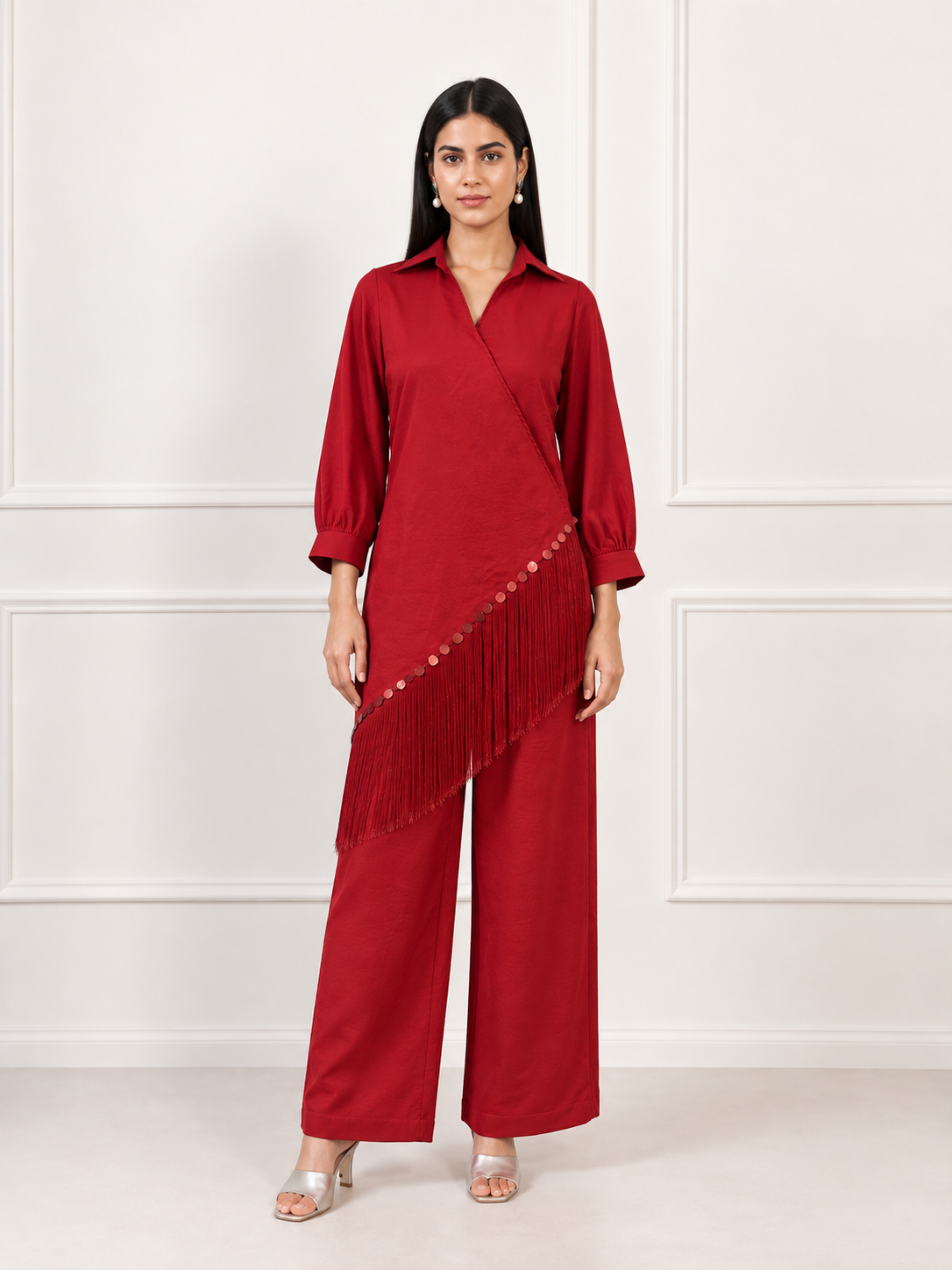
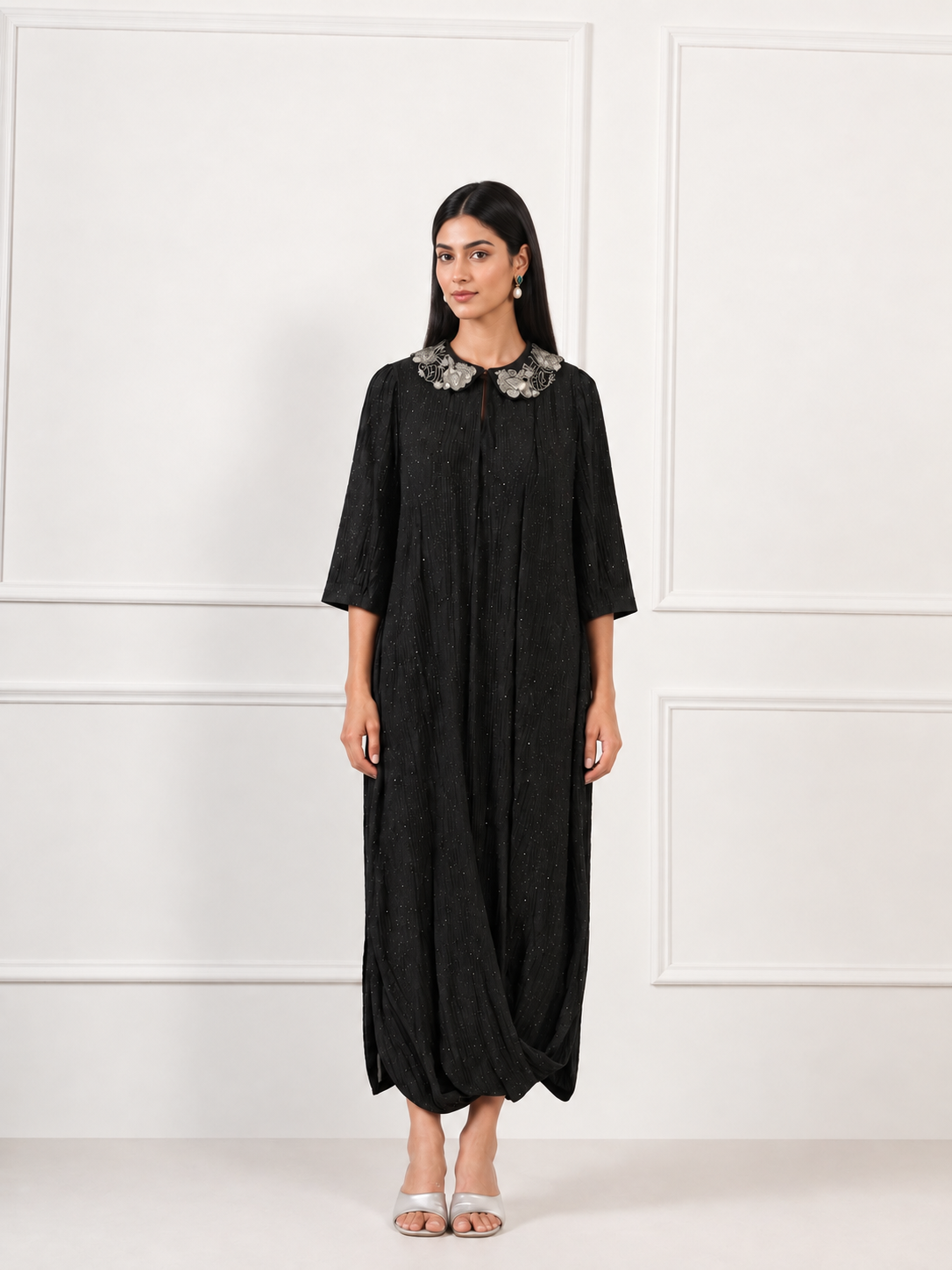
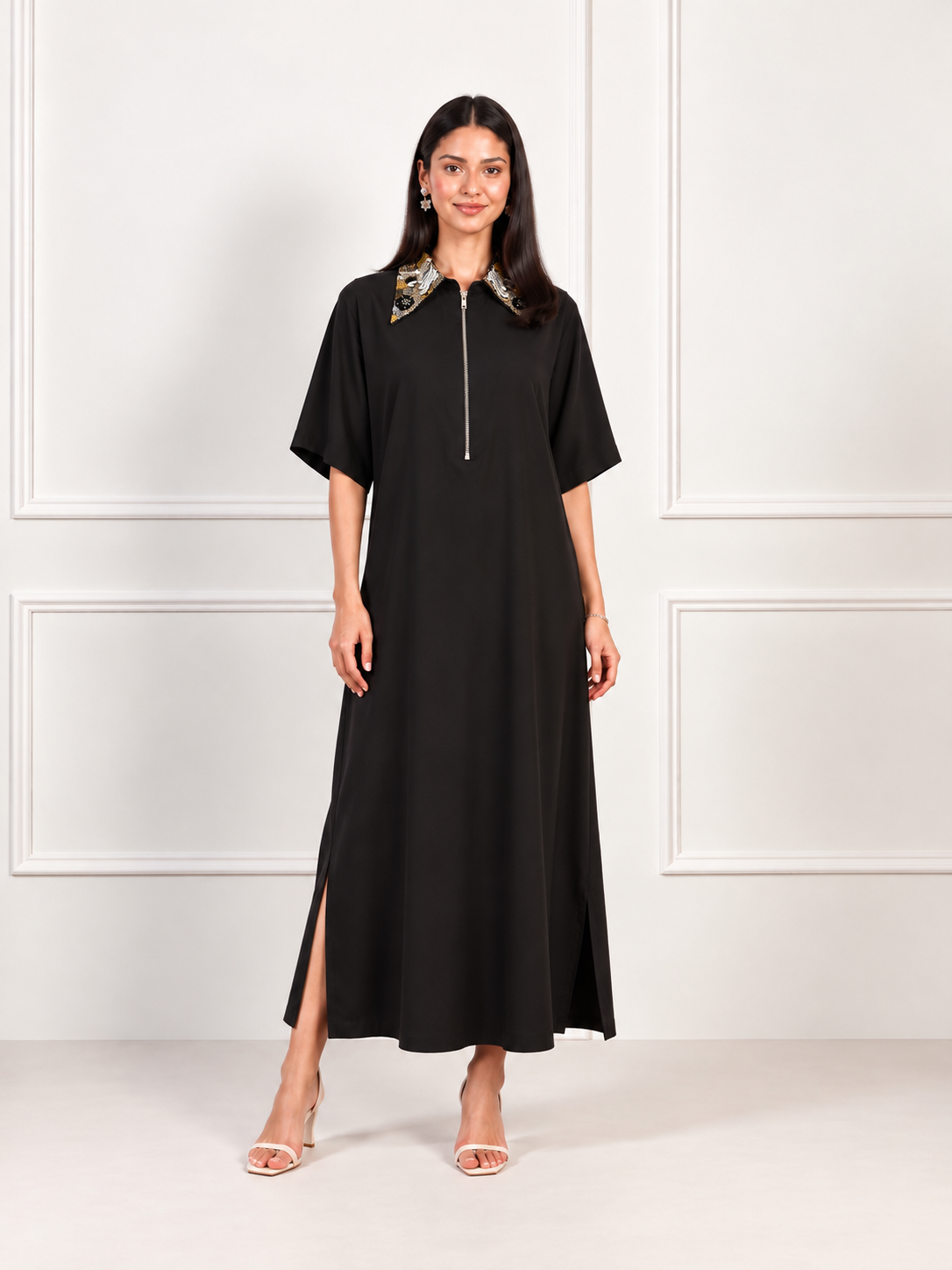
How to Choose the Correct XXL Size Dress Online
Buying xxl size dresses online means relying on information instead of a trial room, so the quality of your measurements matters. Take them once, write them down and use them for every purchase.
Step 1: Measure yourself accurately
Use a soft tape measure, wear light clothing and stand in a relaxed posture.
- Bust: measure around the fullest part of your chest, keeping the tape level across your back.
- Waist: measure around the narrowest part of your torso, usually above the navel. Keep the tape snug but not tight.
- Hips: measure around the fullest part of your hips and seat with your feet together.
- Shoulder: measure across the back from one shoulder edge to the other.
- Length: measure from the top of your shoulder to the point where you want the hem to fall. A simpler method is to measure a dress you already own and like, then compare it with the listed length.
- Sleeve: measure from the shoulder edge to where you want the sleeve to end.
Step 2: Match your measurements to the right chart
Check whether the chart lists body measurements or garment measurements. If it lists body measurements, compare them directly with yours. If it lists garment measurements, your own numbers should be smaller than the garment's by the amount of ease you prefer.
Some stores publish a general size guide with bust, waist, hip and shoulder ranges and then add product-specific details on each page. For pleated pieces, that guide explains that certain items are sold as free size and list the maximum measurement they comfortably fit instead of a single size. Reading both the general chart and the product notes avoids assumptions.
Step 3: Compare the dimensions that matter for that dress
- Bust and hip matter most for close-fitting, non-stretch dresses, since these are the hardest areas to alter later.
- Waist matters for dresses with a fixed waist seam, belts or fitted midsections. It matters less for relaxed or empire cuts.
- Shoulder and sleeve matter for structured dresses with set-in sleeves. A shoulder seam that sits too far in pulls across the upper arm.
- Length decides whether a dress works with flats, heels or neither.
- Stretch changes how strictly you should treat the numbers. A fabric with give can tolerate a smaller margin than one with none.
Step 4: Check ease of movement
Imagine the actions you will actually do in the dress: sitting at a table, climbing steps, reaching overhead, getting into a car. If the product page has a video or a model photo showing movement, use it.
What to do when you fall between two sizes
There is no rule that works for every dress. Instead, look at the details:
- Stretch fabric with a relaxed cut: the smaller size may be comfortable, but check the garment chart before assuming.
- Non-stretch fabric with a fitted bodice: the larger size is often safer, since a slightly roomy dress is easier to alter than a tight one.
- Dress with an adjustable waist tie or elastic: choose according to bust and hip, because the waist can adapt.
- Dress with a zip and a fixed waist seam: prioritise the measurement that cannot be adjusted and consider whether a tailor could take in the rest.
- Still unsure: ask the seller which measurements the model is wearing, or ask for the garment measurements of both sizes.
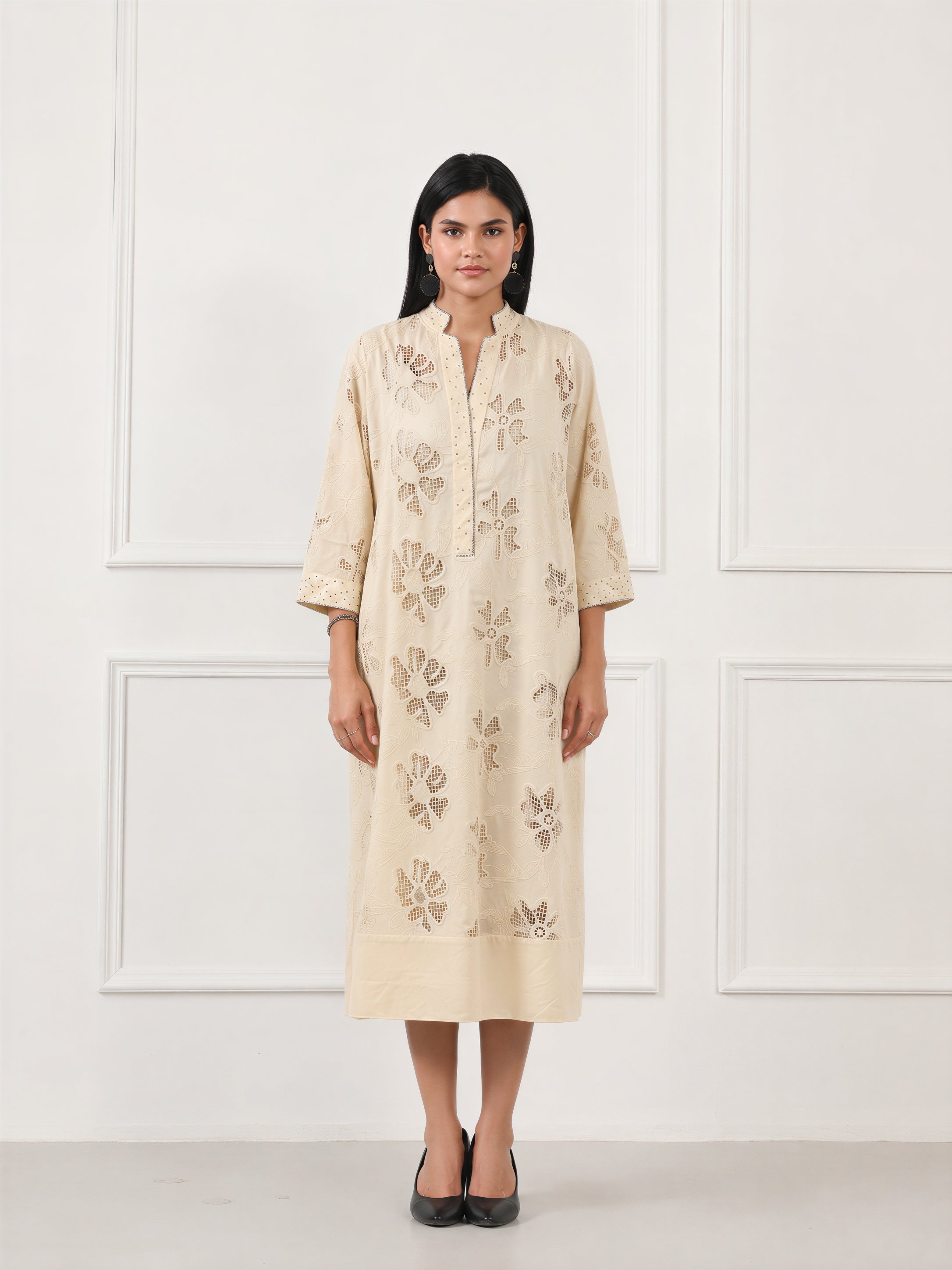
How Fabric and Dress Construction Affect XXL Fit
Two dresses with the same label can feel very different because of how they are made. A few factors explain most of the difference.
Stretch versus non-stretch fabric
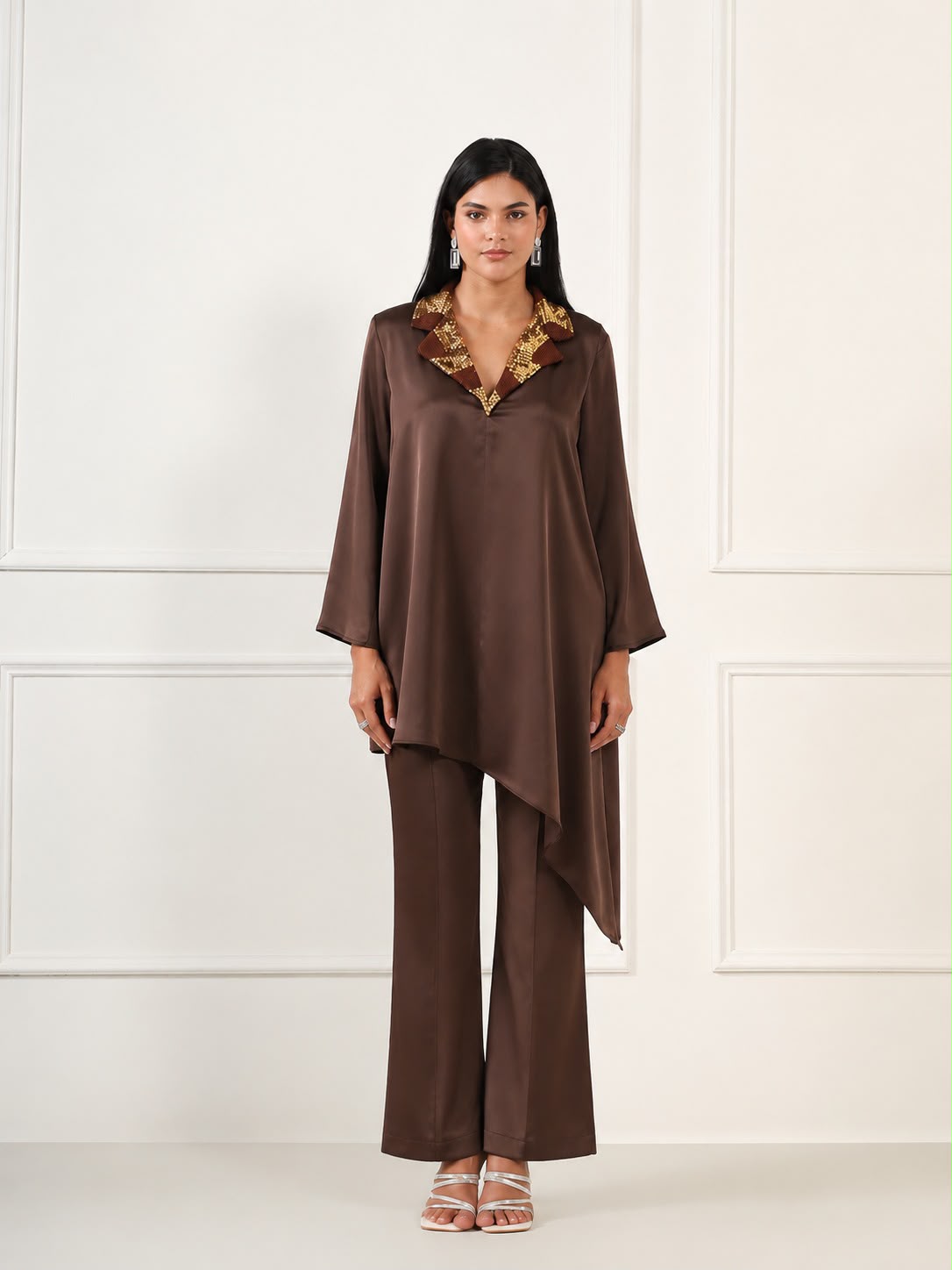
A knit with elastane stretches around the body and recovers. A woven fabric such as cotton, crepe or satin has little or no give. As an example, an XXL wrap dress in a knit with some elastane may accommodate a couple of extra inches at the hip, while an XXL woven dress with a fitted bodice may not. The composition on the product page, usually listed as percentages, is the quickest clue.
Structured versus fluid fabric
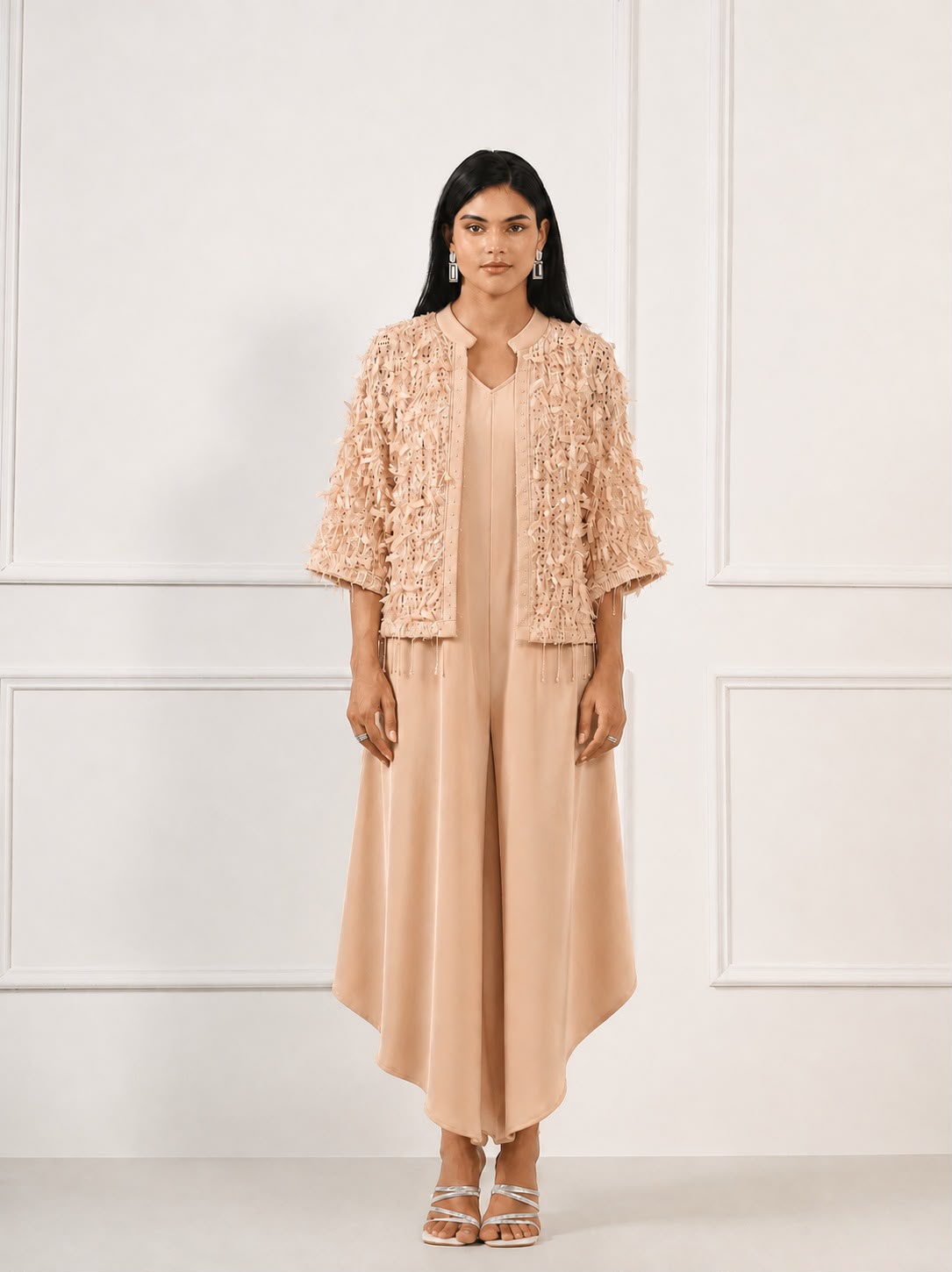
Structured fabrics hold their own shape and stand slightly away from the body. Fluid fabrics follow the body's lines and move more. Structured pieces suit dresses that need definition, while fluid ones suit relaxed cuts. Neither is better for everyone, and the choice depends on how much shape you want from the fabric itself.
Pleated and relaxed silhouettes
Pleats expand as the wearer moves, so they can accommodate more variation in measurements than a fitted seam can. This is why pleated pieces are often sold as free size with a stated maximum fit. If you are browsing a pleated dresses collection, read the stated fit range on each product page rather than assuming all pleated dresses stretch equally. A pleated piece with a fixed, structured bodice behaves differently from one pleated through the entire length.
Fitted versus loose cuts
A fitted cut follows body measurements closely, so exact numbers matter. A loose cut gives more tolerance but can hang differently depending on height, and the length may need extra attention.
Sleeve and shoulder construction
A set-in sleeve has a seam at the shoulder edge and needs a close shoulder match. A raglan or dropped-shoulder sleeve is more forgiving. A sleeve that is fitted at the upper arm can feel tight even if the bust measurement is correct, so check the sleeve or armhole measurement when it is listed.
Lining, waist placement and length
- Lining adds a layer that can reduce stretch and add warmth. An unlined fluid fabric may cling in certain conditions.
- Waist placement varies. A seam at the natural waist, an empire line under the bust and a dropped waist near the hip all sit differently depending on your torso length.
- Length is easy to overlook. The same dress may fall at the knee for one person and above it for another, so compare the listed length with your own measurement.
None of these features is universally right or wrong. They are variables, and knowing which ones matter to you makes comparison easier.

Different XXL Size Dress Styles to Consider
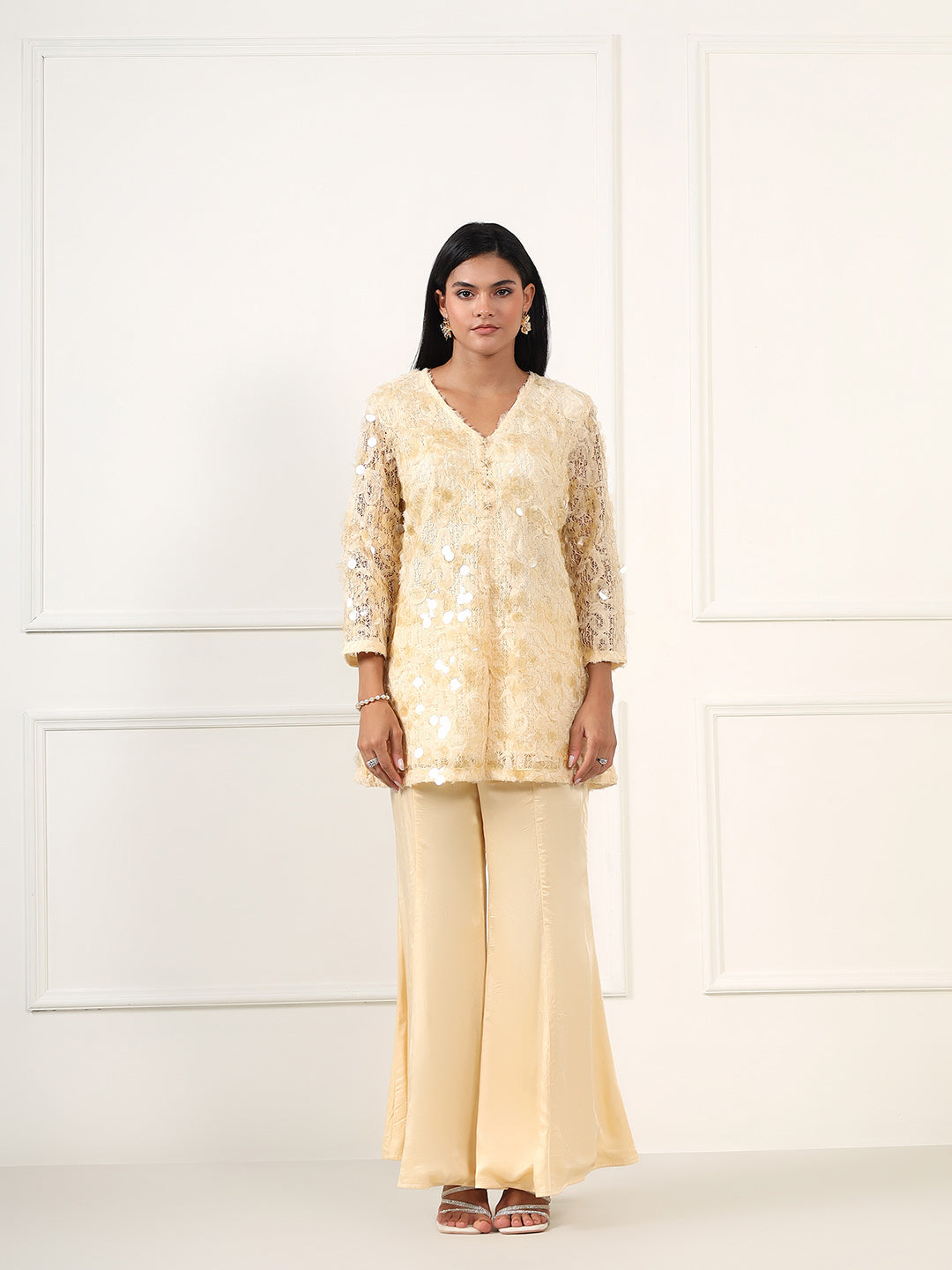
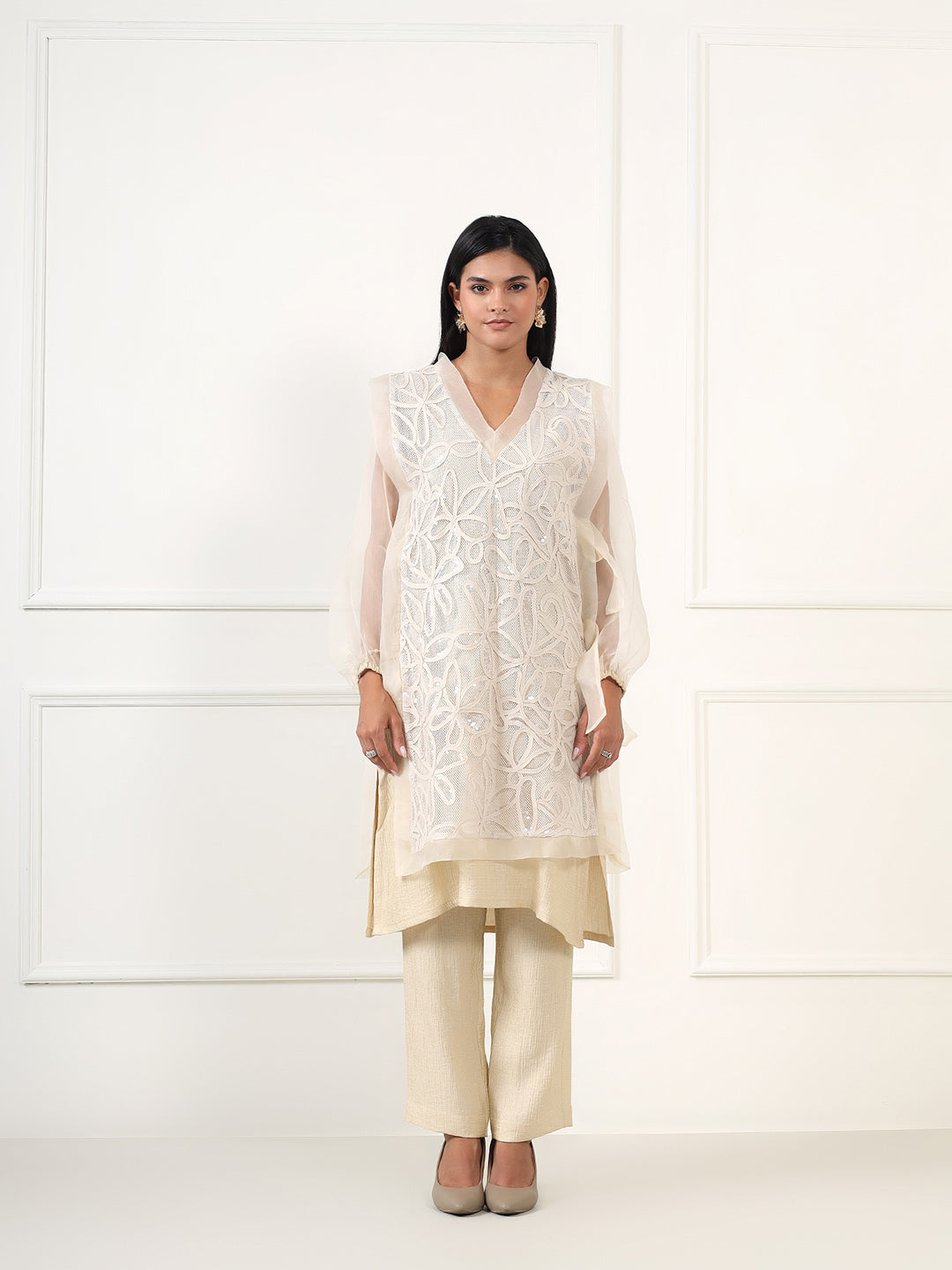
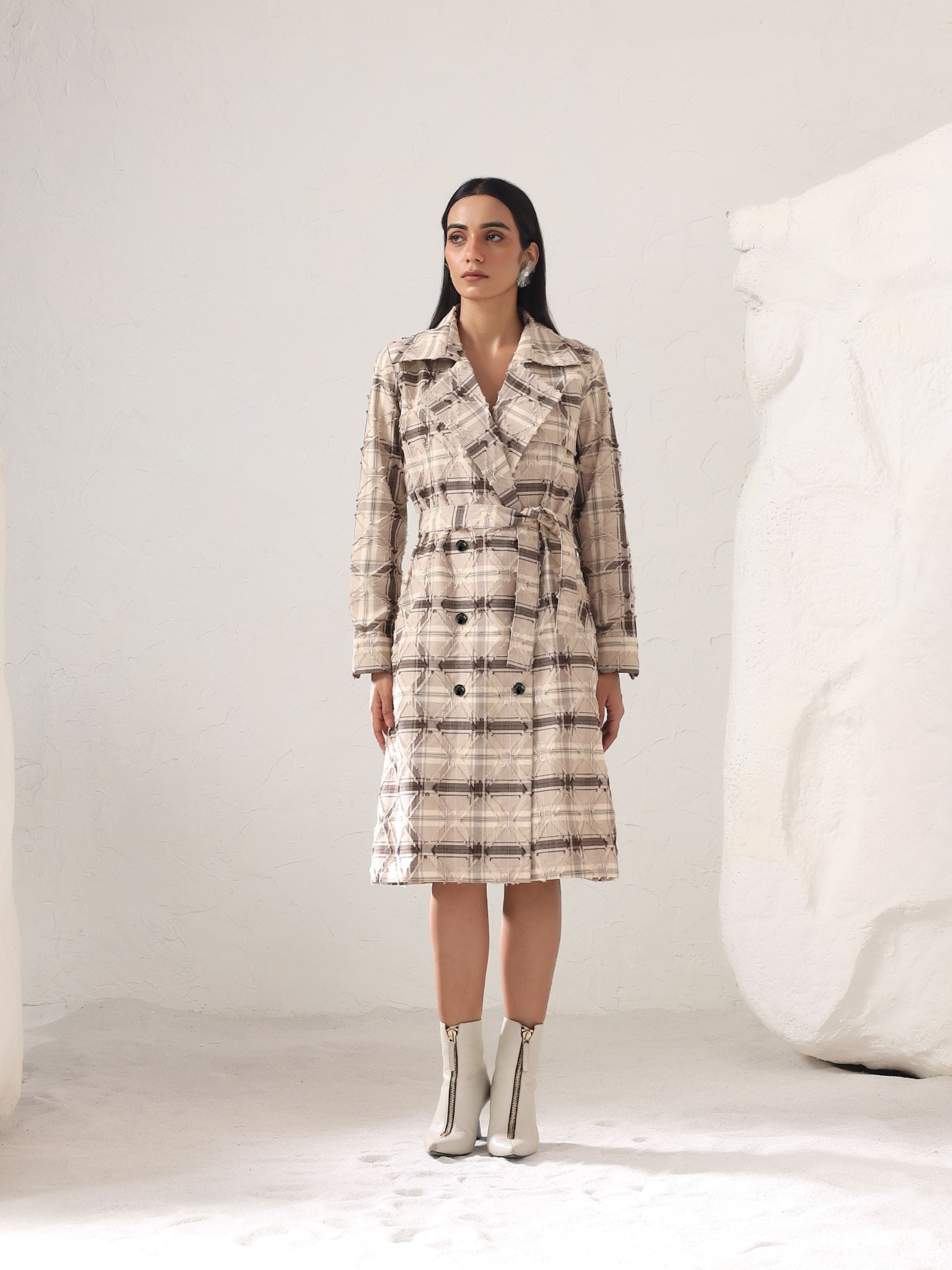
The styles below are general fashion categories, not a list of products available on any particular website. When you browse dresses for women xxl size, filtering by style as well as size helps, because cut often matters as much as the label.
A-line dresses
Fitted at the upper body and widening toward the hem, A-line cuts do not rely on a close fit at the waist or hip. They suit everyday wear and many occasions. Check the bust measurement and the length, since the skirt itself has room.
Wrap-style dresses
A wrap closes across the front and ties at the side or waist, so the fit can be adjusted. They work well for readers who sit between sizes, provided the overlap is generous enough to stay closed. Check how far the wrap crosses and whether there is an inner tie.
Fit-and-flare dresses
These are fitted through the bodice and flare from the waist. The bodice needs accurate bust and waist measurements, while the skirt gives movement. They suit occasions where some structure is wanted.
Relaxed and flowy dresses
Cut with extra ease, these prioritise comfort and movement. Look at the length and sleeve width, because the generous cut can overwhelm shorter frames or restrict movement if the sleeves are narrow.
Midi and maxi dresses
Length changes how a dress works. Midi lengths fall between the knee and ankle and pair easily with flats or heels. Maxi lengths suit evening or travel but need a footwear plan, since the hem can drag. Check the listed length against your height.
Pleated dresses
Pleats add texture and flexibility. They can be structured or loose, short or long. Read the fit range and care instructions, because pleats need specific handling.
Western casual dresses
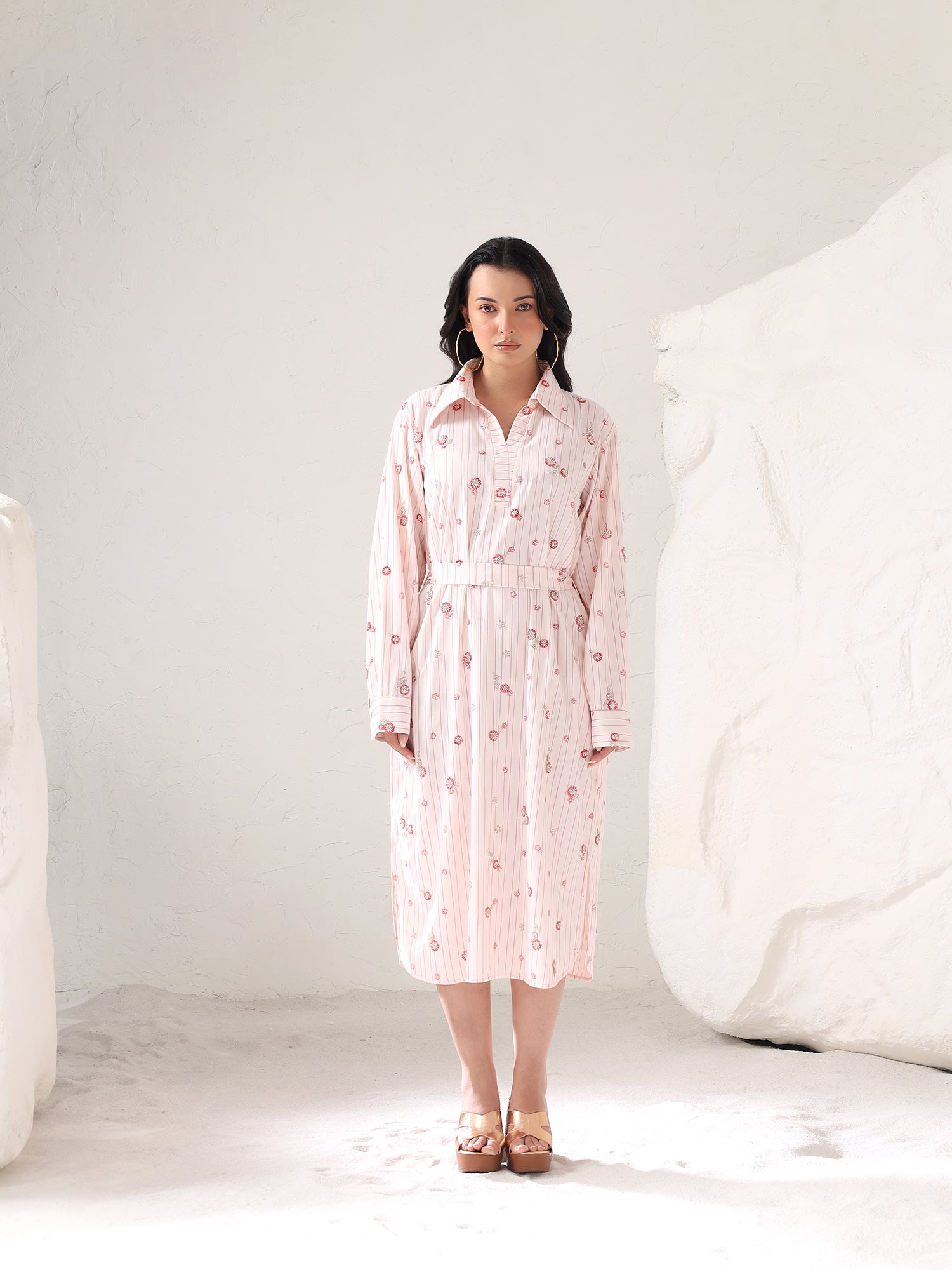
Shirt dresses, shift dresses, skater styles and T-shirt dresses fall here. They are practical for daily wear. Fabric and fit matter more than ornament, so check the composition and whether the shirt dress closes over the bust without gaping.
Structured occasion dresses
Tailored sheaths, sculpted bodices and firmer fabrics hold a clean line. They often carry less ease, so measurement accuracy is important and a tailor's help may be useful.
For a broader walkthrough of necklines, sleeves and everyday styling across plus sizes, the plus-size dress guide on necklines and sleeves covers those topics separately.


Party Dresses for XXL Size: How to Choose the Right Style
Shopping for party dresses for xxl size works best when you start with the event instead of the dress. The same dress can feel right at one gathering and awkward at another.
Start with the event and the venue
- Birthday celebrations: these range from casual restaurant dinners to larger parties. Think about whether you will be seated or moving around.
- Evening parties and cocktails: these often involve long periods of standing and socialising, so comfort in the bust, arms and waist matters.
- Weddings: check the dress code and any family customs. Some invitations specify colours to avoid. As a guest, comfort for long hours is as important as appearance.
- Festive gatherings: these can involve sitting on the floor, walking through crowds or dancing, so freedom of movement matters.
Check movement, fabric and embellishment
Move the way you would at the event. Can you sit without the dress riding up, and can you raise your arms without pulling at the seams? Heavy embellishment such as dense sequins or beading adds weight and stiffness, and it can irritate skin at the underarms or waist. Check whether the dress is lined and whether the lining is comfortable. Lighter fabrics may be more comfortable in warm venues, while heavier ones suit cooler evenings.
Think about length and footwear together
Hem length depends on the shoes you plan to wear. A floor-length dress that is fine in heels may need adjusting for flats. If you will be on grass, sand or uneven ground, a shorter hem or a style that does not drag is more practical.
Accessories and footwear
Accessories can balance a dress, but none are mandatory. A dress with heavy detailing may need very little, while a plain dress may take more. Footwear should suit the venue and how long you will be standing. A comfortable block heel, wedge or flat is as valid as a stiletto.
If you want to browse options by occasion, the party wear collection lists current pieces. Check each product page for size and availability before deciding, because stock changes.
XXL Size Western Dresses Online India: What to Check Before Ordering
When you search for xxl size western dresses online india, results often mix dress types, brands and sizing systems. A short checklist keeps the comparison grounded.
- Size options and charts: confirm that XXL is actually available on the product page, not only on the category filter. Look for a size chart specific to the product.
- Fabric composition and garment details: look for percentages, lining notes, closure type (zip, buttons, tie) and whether the fabric stretches.
- Model photographs versus close-ups: a model photo shows silhouette, but close-ups show fabric texture, seams and finishing. Look for both.
- Length and sleeve measurements: compare the listed length with your own measurement.
- Product availability: stock can change quickly. Check that your size and colour are listed as available.
- Delivery estimates: check the delivery information for your pin code at checkout. Do not assume the estimate for one location applies to another.
- Return and exchange terms: policies vary widely. Some stores offer exchanges only, and some have short windows, sometimes just a day or two after delivery. Read the store's return and exchange policy before ordering, along with any product-level notes.
- Enough information to decide: if a page does not list measurements, fabric or length, treat that as a gap. You can ask the seller for details before ordering.
Policies, availability and delivery terms change. Always rely on the current product page and the applicable policy at the time you order, not on a blog post.
How to Compare XXL Dresses Before Buying
When two dresses both look suitable, a simple method helps you choose without relying on price or trend.
- Write your measurements (bust, waist, hip, shoulder, preferred length) in one place.
- Collect the garment measurements for both dresses in the same size.
- Compare each dress with your numbers and note the ease you would get at the bust and hip.
- Check the fabric: stretch or non-stretch, lined or unlined, structured or fluid.
- Match to the occasion: will you sit, stand, travel or dance?
- Check care: machine-washable, hand-wash only or dry-clean only. Care affects how often you will actually wear it.
- Pick the dress with fewer unknowns. If one page gives full measurements and the other leaves gaps, the first is easier to judge.
A quick comparison grid helps. The values below are made up purely to show how to use it. Assume your own measurements are bust 42, hip 44 and you want a dress for a dinner party.
|
What to compare |
Dress A (example) |
Dress B (example) |
|
Garment bust (inches) |
44 |
42 |
|
Garment hip (inches) |
47 |
44 |
|
Length (inches) |
46 |
52 |
|
Stretch and composition |
Knit with some elastane |
Woven, no stretch |
|
Lining |
Unlined |
Fully lined |
|
Occasion fit |
Casual dinners, easy to move in |
Formal events, firmer shape |
|
Care instructions |
Machine wash |
Dry clean only |
|
What this tells you |
2 inches of ease at the bust and 3 at the hip, plus stretch |
No ease at the bust or hip and no stretch, so likely too snug |
In this example, Dress A gives usable room and stretch, while Dress B would need the next size up or alterations. Copy the grid with your own numbers and two real dresses, and the decision is usually clear within a few minutes.
Common Mistakes When Buying XXL Size Dresses Online
|
Mistake |
Why it causes problems |
What to do instead |
|
Relying only on the XXL label |
Labels vary across brands and even across styles |
Read the product's own size chart |
|
Ignoring hip or bust measurements |
A dress may fit at the waist but pull elsewhere |
Compare bust, waist and hip, and prioritise the measurement hardest to alter |
|
Confusing body and garment measurements |
Ease is missed, so the dress is chosen too small or too large |
Check whether the chart lists body or garment dimensions |
|
Overlooking fabric stretch |
A non-stretch dress has no tolerance |
Check composition and look for stretch notes |
|
Not checking garment length |
The hem may fall higher or lower than expected |
Compare the listed length with your own measurement |
|
Assuming the model's fit will match yours |
Height, proportions and styling pins change the look |
Check the model's height and size, and rely on measurements |
|
Ignoring return and exchange conditions |
Windows and conditions may be short or restrictive |
Read the policy before ordering and note the deadlines |
Conclusion
Finding the right dress in XXL comes down to measurements and product details more than the label itself. When you know your bust, waist, hip, shoulder and preferred length, and when you compare them with the garment's own dimensions, fabric and construction, the decision becomes far less uncertain.
A practical next step is to measure yourself once, save the numbers on your phone and use them the next time you compare two dresses. Whenever a product page leaves out measurements, composition or policy details, ask the seller before you order.
Frequently Asked Questions
What does XXL mean in women's dresses?
XXL means double extra large and normally sits above XL in a brand's range. The actual measurements behind it differ between brands, so use the size chart on the product page.
Is XXL the same size in every brand?
No. Each brand sets its own measurements, and some follow different sizing systems. Even within a brand, a stretch dress and a non-stretch dress labelled XXL can fit differently.
How can I tell if an XXL dress will fit before I order?
Take your bust, waist, hip and shoulder measurements, then compare them with the product's size chart. Check whether the chart shows body or garment measurements, and look at fabric stretch and length.
Should I size up or down if I am between sizes?
It depends on the dress. A stretch fabric with a relaxed cut may allow the smaller size, while a non-stretch fitted dress usually needs the larger one. Compare garment measurements and ask the seller if the page is unclear.
Which fabrics are more forgiving in an XXL dress?
Fabrics with stretch and styles with pleats, wraps or adjustable waists tend to tolerate small measurement differences better. This is a general guide, not a guarantee, so check each product's details.
Can I wear fitted or bodycon dresses in XXL?
Yes. The question is whether the measurements and fabric suit your comfort. A stretch fabric with enough ease at the bust and hip can work well, while a non-stretch fitted dress needs accurate measurements.
What length should I choose for party dresses in XXL?
Length depends on your height, the shoes you will wear and the venue. Compare the listed length with a measurement taken from your shoulder to your preferred hem point, and consider whether you will be walking, sitting or dancing.
What should I check before ordering XXL Western dresses online in India?
Check that your size is available, read the product's size chart, note the fabric and garment length, and look at close-up photos. Then read the delivery details for your pin code and the return and exchange policy.


