

Festive Wear for Women: How to Choose the Right Outfit
Festive wear for women works best when the outfit suits the event, the dress code, the weather and the number of hours you will spend in it. A look that photographs well but restricts movement at a family dinner is the wrong choice, however festive it seems.
Start with the setting rather than the garment. Where the celebration is held, how long it runs and who will be there narrow down the options much faster than a list of trends.
The same outfit rarely suits a morning puja at home and a late party at a banquet hall. Choosing by occasion first, and then by style, fabric and fit, keeps the decision simple.
How to Choose Festive Wear for Different Occasions
Family gatherings and home celebrations usually involve sitting on the floor, moving between rooms and helping with food. A midi length with some ease through the hips and a hem that stays clear of your feet is far easier to manage than a floor-length skirt. Pick a fabric that will not cling or crease badly after hours of sitting.
Daytime events, such as a lunch or a puja, suit lighter colours and softer finishes. Shine is harder to carry in strong daylight, so keep embellishment small and let colour do most of the work.
Evening parties and formal celebrations give you room for depth and reflection. Darker shades, metallic surfaces and sculpted shapes respond well to artificial lighting. A statement dress or a metallic co-ord is a reasonable choice here, because the outfit does the talking and the accessories can stay quiet.
Weddings and pre-wedding functions need a closer look at the invitation. Haldi and mehndi are usually colourful and informal, and fabric can pick up turmeric or henna, so wear something you will not worry about. Sangeet and reception evenings allow dressier options. Avoid bridal white and any shade the family has reserved, and if the dress code is unclear, ask the host.
Office celebrations call for restraint. Solid colours, clean lines and one considered detail, such as a textured sleeve or a metallic earring, look polished without drawing too much attention. Check that the neckline and hemline stay comfortable through a full working day.

Festive Dresses for Women: Which Styles Work Best?
Not every style suits every event, so the useful question is what each one does well and where it falls short.
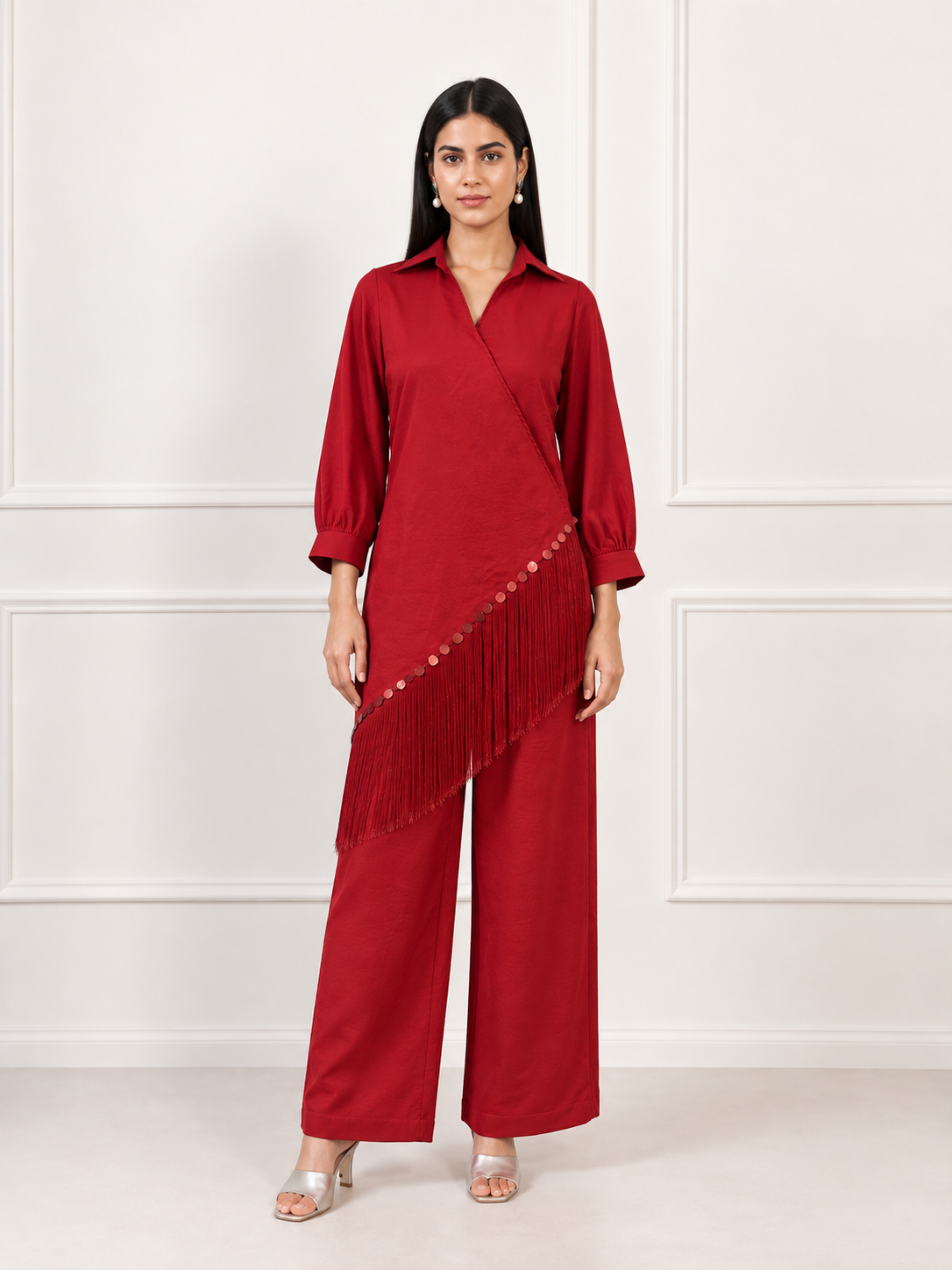
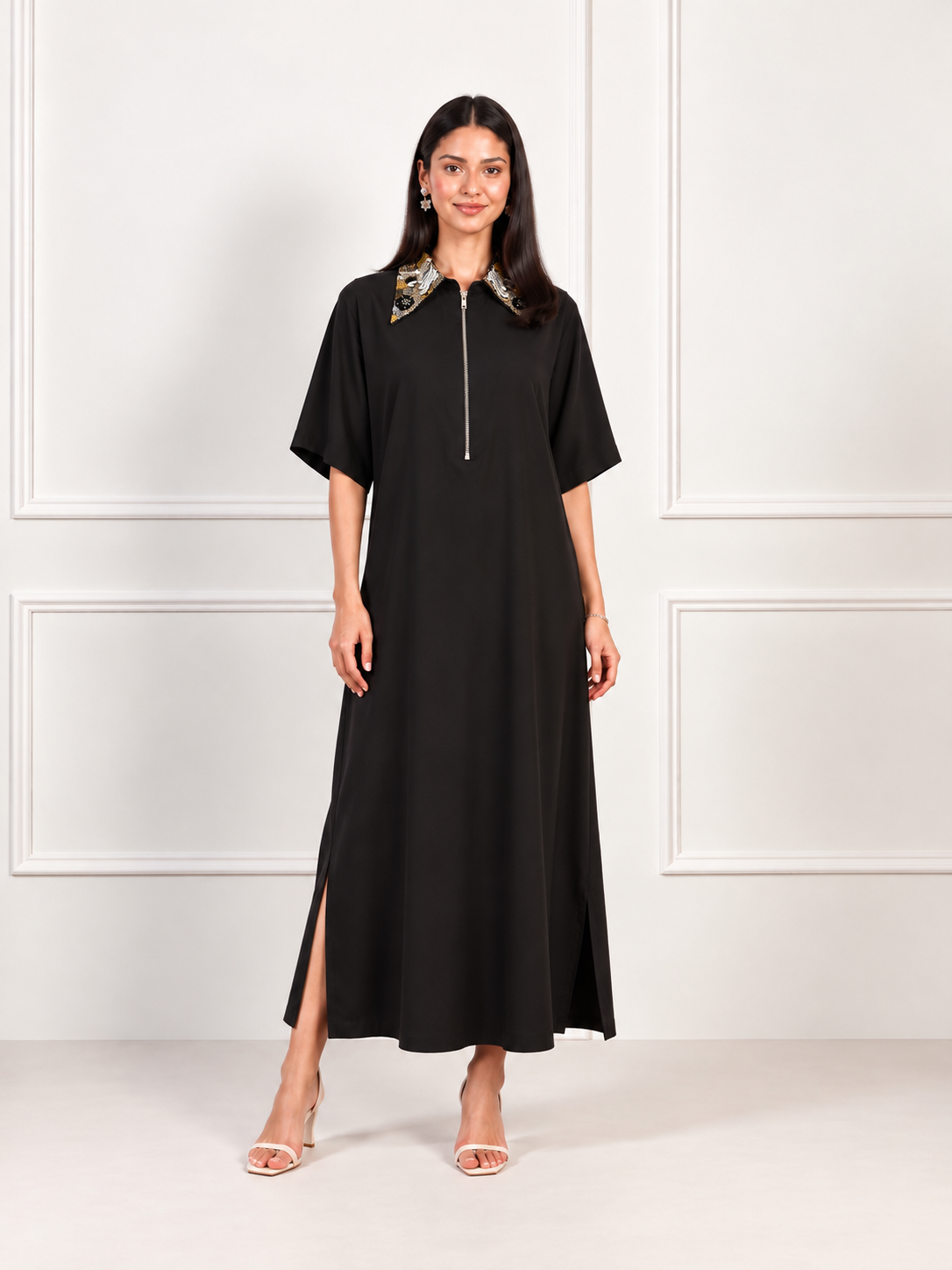
Festive dresses for women in a midi length are the most adaptable. A statement midi with an interesting neckline or sleeve works for dinners, family gatherings and office celebrations, and it handles stairs and car doors without fuss. It may look too understated for a large wedding evening unless the fabric or colour has real weight.
Maxi dresses and elegant evening silhouettes suit receptions and outdoor evenings, where the fabric has space to fall. Check the hem with the shoes you plan to wear. Think about crowded entrances and staircases before committing to a very full skirt.
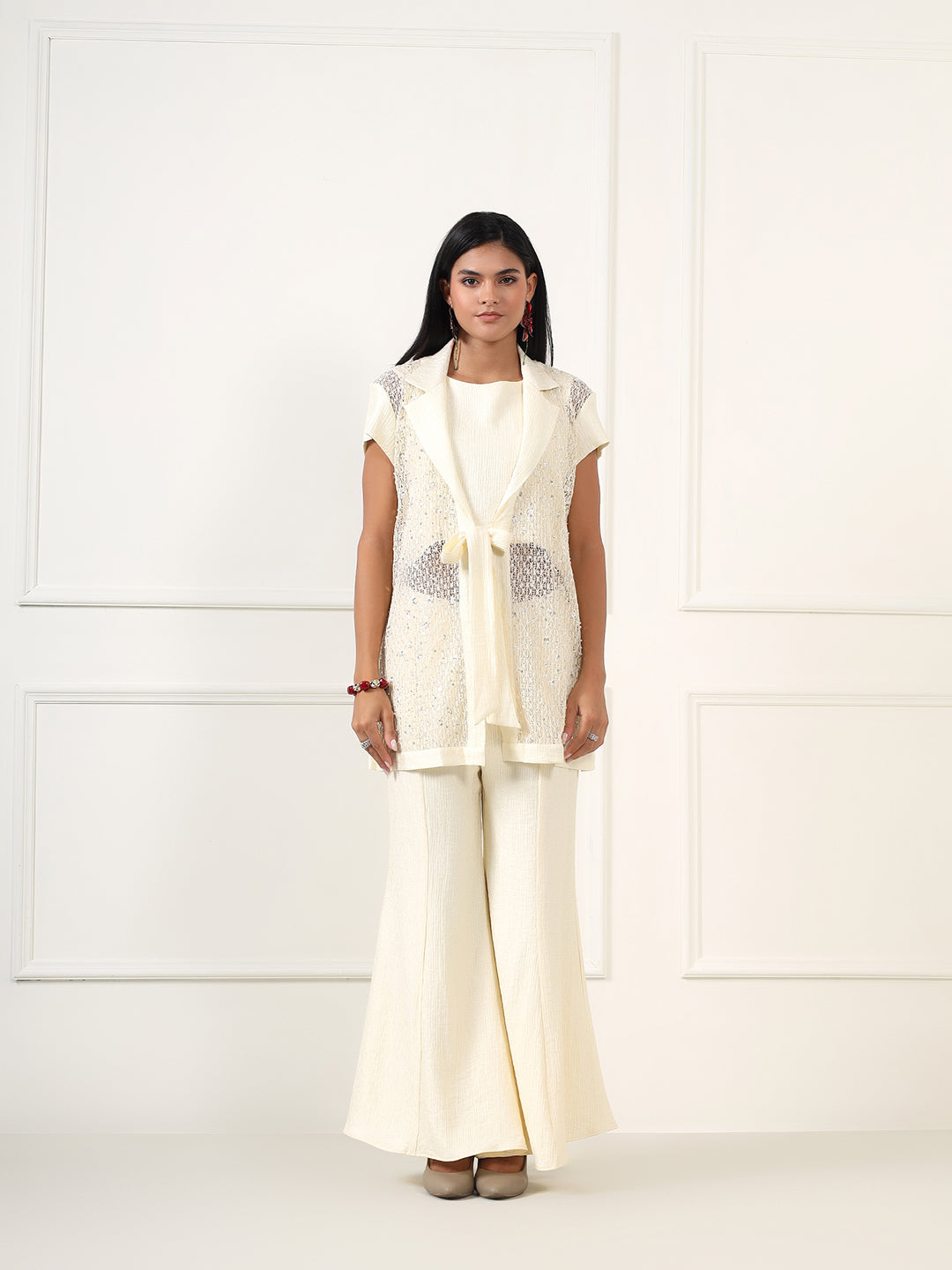
Contemporary co-ord sets suit women who like the polish of a matched outfit with the freedom of separates. Depending on fabric and finish, they can work for a daytime function or an evening dinner. A fitted top with a fuller skirt gives a different mood from a relaxed top with straight trousers, so think about the proportions you enjoy wearing.
Pleated outfits and skirt sets add movement and texture without heavy decoration, which helps when you expect to walk, dance or stand for long stretches. Pleated garments often come with specific washing and storage instructions, so read the care label before you buy.
Embellished or metallic outfits are best kept for the evening. Reflective surfaces catch light and cameras, so one strong element is usually enough. Look closely at the lining, because embellishment can feel scratchy against the skin when it is not backed well.
Traditional or fusion-inspired looks suit women who want a festive feel without a full ethnic outfit. A saree with a structured blouse, or a pleated skirt with a kurta-style top, sits comfortably between the two. These combinations look most convincing when only one element is traditional and the rest stays simple.
Women Festive Wear: How to Choose the Right Fabric and Fit
Fabric decides comfort long before design does. Light, breathable fabrics suit warm days and crowded rooms. Heavier ones hold their shape better and look more formal. Neither is better; they answer different situations.
Drape and structure matter just as much. In women festive wear, fluid fabrics move well and soften a silhouette, but they also show every line underneath. Structured fabrics hide more and keep their form, though they can feel stiffer when you sit. Choose according to how you expect to move through the event.
Read the fabric composition on the product page and keep expectations realistic. A fabric with no stretch leaves little room for a large festive meal, so ease through the waist and hips is worth checking.
Construction is the part most shoppers skip. A lining keeps a dress from clinging or showing through and protects the skin from embellishment. Seams should lie flat. A hidden back zip can be hard to reach when you are dressing alone, so look for side closures or ask someone to help on the day. Hems should be even and wide enough to let the garment hang well.
For fit, measure your bust, waist and hips and compare them with the size chart rather than relying on the size label alone. Note that some stretch pleated garments are sold as free size with a stated maximum fit, so read that detail carefully. If you fall between sizes, think about the fabric: a structured piece usually needs more room than a stretch one. Once the outfit arrives, sit down in it, raise your arms and climb a few stairs. A tailor can adjust some garments but not all, so do this early.

How to Style Festive Wear Dresses Without Overdoing It
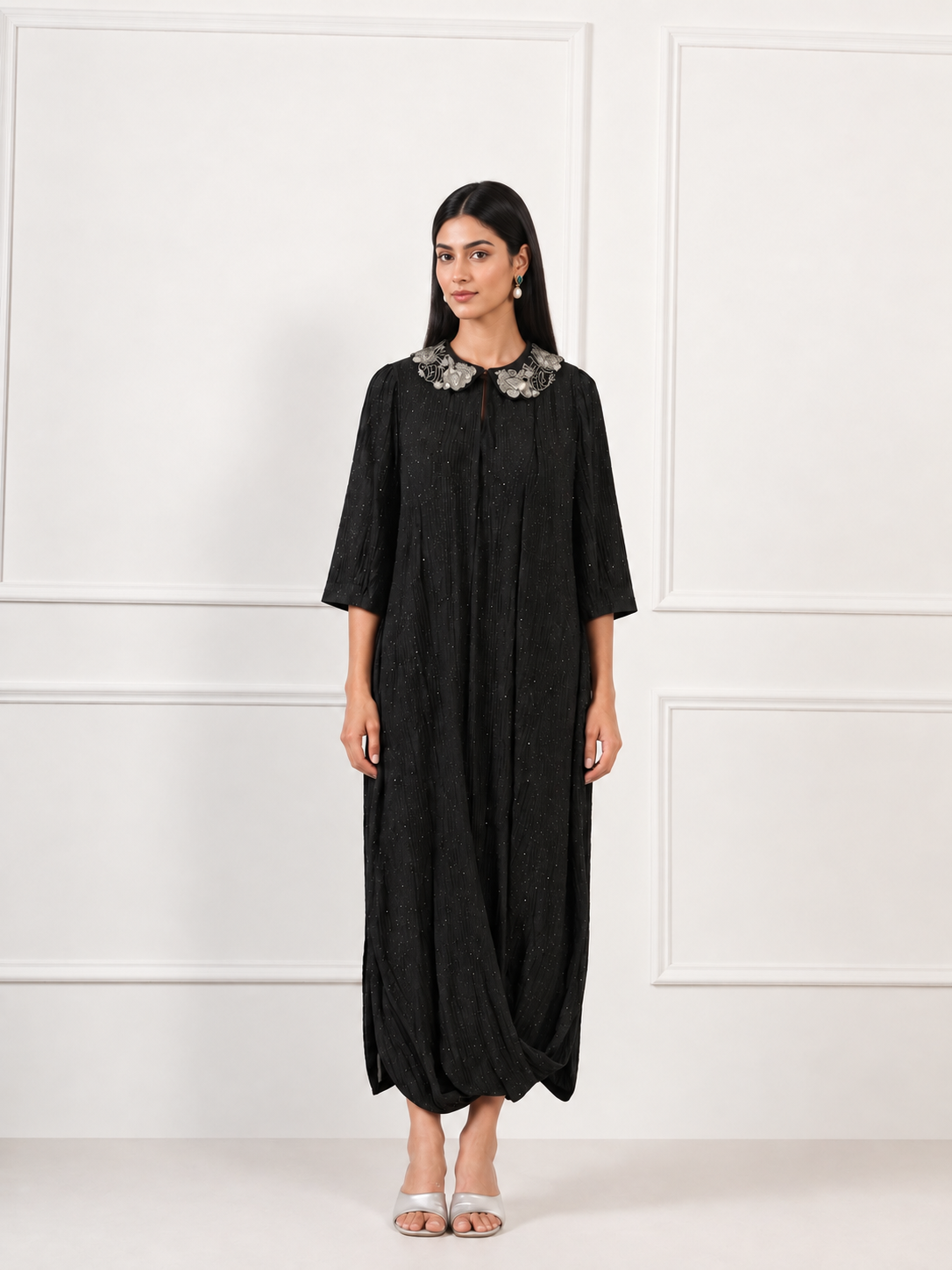
Let one element lead. A heavily embellished dress needs plain studs and a slim bracelet. A plain dress in a rich colour can carry bold earrings. Put both together and the outfit looks crowded rather than festive.
A sequin midi with small studs and flat sandals reads as dressed up but relaxed. The same dress with a chunky necklace, an embellished bag and sparkling heels asks too much of the eye.
Footwear should follow the venue and the length of the event. For anything running past three or four hours, block heels or dressy flats are far kinder than stilettos. Thin heels sink into lawns and catch in gravel. If you plan to dance, an ankle strap helps shoes stay on.
Keep colour and texture under control. Two or three colours across the whole outfit is usually enough. Gold-toned jewellery sits well with warm shades, while silver suits cooler ones. If the dress is textured or pleated, choose smooth accessories to balance it.
Bags and jewellery should follow the neckline. A high neck usually needs earrings and nothing around the throat. An open neckline can take a pendant. A small crossbody bag with a thin chain leaves your hands free for plates and photographs, which a clutch does not.
Most festive wear dresses can move between day and evening with a few changes. By day, wear flats, delicate jewellery and a light bag. For the evening, switch to heels, add bolder earrings and layer a structured jacket or shawl. The dress stays the same and the mood changes.
How to Choose Festive Wear According to Weather and Venue
Outdoor celebrations call for lighter fabrics, manageable hems and shoes that cope with grass or uneven ground. Wind can lift a very full skirt, so check how the fabric behaves when you move.
Indoor parties are often warm and crowded. A breathable fabric and a style that is easy to move in matter more than the dress looking dramatic at the door. Pick something you can wear for hours without adjusting.
Evenings turn cooler in many parts of India during the autumn and winter festive season. Decide on the layer before you decide on the dress. A structured jacket, a wrap or a shawl should work with the colour and texture of the outfit, rather than fighting with it.
Open flames deserve a thought too. Diyas and candles are common at celebrations, so keep voluminous sleeves and trailing fabric in mind when you light or stand near them.
None of this is a fixed rule. Dress codes, personal comfort and the host's expectations all change the answer.
What to Check Before Buying Festive Wear Online
Photographs show the best angle of an outfit. These checks show how it will behave on the day:
- Size chart and garment measurements, compared with your own bust, waist and hips.
- Fabric composition and whether the garment is lined.
- Close-up images and back views, to see seams, closures and embellishment.
- Fit notes and the sizes actually available for your preferred colour.
- The return or exchange policy, including whether returns are accepted at all, the time window and any conditions on worn or washed items.
- Delivery time against your event date, with a buffer for alterations or an exchange.
- Care instructions, and whether the garment suits repeated wear.
Order early. Festive weeks are busy, popular sizes sell out and a late delivery leaves no room to fix a fit problem. If the policy offers an exchange but no refund, treat the first order as the one that must work.
How to Choose Festive Wear You Can Rewear
The festive season rarely means a single event. Family functions, parties and weddings often fall within a few weeks of each other, and repeating the same outfit is easier when it can change character.
Separates help most. A co-ord set or skirt set gives you two or more outfits, because each piece can be worn with other clothes. Neutral or deep colours return more easily than a very specific shade, and a dress with moderate detailing can be restyled with different shoes, jewellery or a jacket.
All-over embellishment limits repeat wear. It is memorable, which is exactly why the same dress is harder to bring back for the next gathering. Ask whether you can picture wearing the outfit again with different accessories before you buy it.
Frequently Asked Questions
1. What is festive wear for women?
It is clothing chosen for celebrations such as religious festivals, family functions and parties. It sits between everyday wear and formal occasion wear, with extra attention to colour, fabric and detail.
2. Which festive dresses are suitable for women?
Midi and maxi dresses, co-ord sets, pleated outfits, skirt sets, metallic styles and fusion looks all work. The right one depends on the event, the time of day and how long you will wear it.
3. How do I choose festive wear for different occasions?
Begin with the setting and dress code. Choose comfortable, lighter styles for home and daytime events, and richer or more detailed outfits for evenings and formal celebrations.
4. Can women wear Western dresses for festive celebrations?
Yes. A Western-style dress can suit a festive event through colour, texture, metallic detail and styling. Check the host's dress code, especially for religious ceremonies and weddings.
5. Which fabrics are suitable for festive wear?
Breathable, lighter fabrics suit warm days and crowded rooms, and heavier ones suit cooler or formal evenings. Read the composition and care label for each garment.
6. How can I style a festive dress without looking overdressed?
Choose one standout element and keep everything else simple. Match your footwear to the venue, limit the colours and pick jewellery that suits the neckline.
7. What should I check before buying festive dresses online?
Check measurements, fabric, lining, close-up images, the return or exchange policy and delivery time. Order early so there is room for an exchange.
8. How can I choose festive wear that I can wear again?
Look for separates, adaptable colours and moderate detailing. A piece you can restyle with different accessories will come back for more than one event.


