

Occasion Dresses for Weddings, Parties & Events
Choosing an outfit for a special occasion can take more time than expected. A wedding invitation, an evening party or a formal dinner may each call for a different style. You want to look well-dressed, but you also need an outfit that feels comfortable throughout the event.
The right occasion wear dresses balance personal style, the event's dress code and the setting. Sometimes, a simple midi dress with elegant accessories is enough. For other occasions, a flowing maxi dress or a structured gown may feel more appropriate.
From daytime wedding ceremonies to evening receptions, there are plenty of ways to dress for special moments. The key is to choose a silhouette, fabric and colour that suit the occasion while allowing you to move with ease.
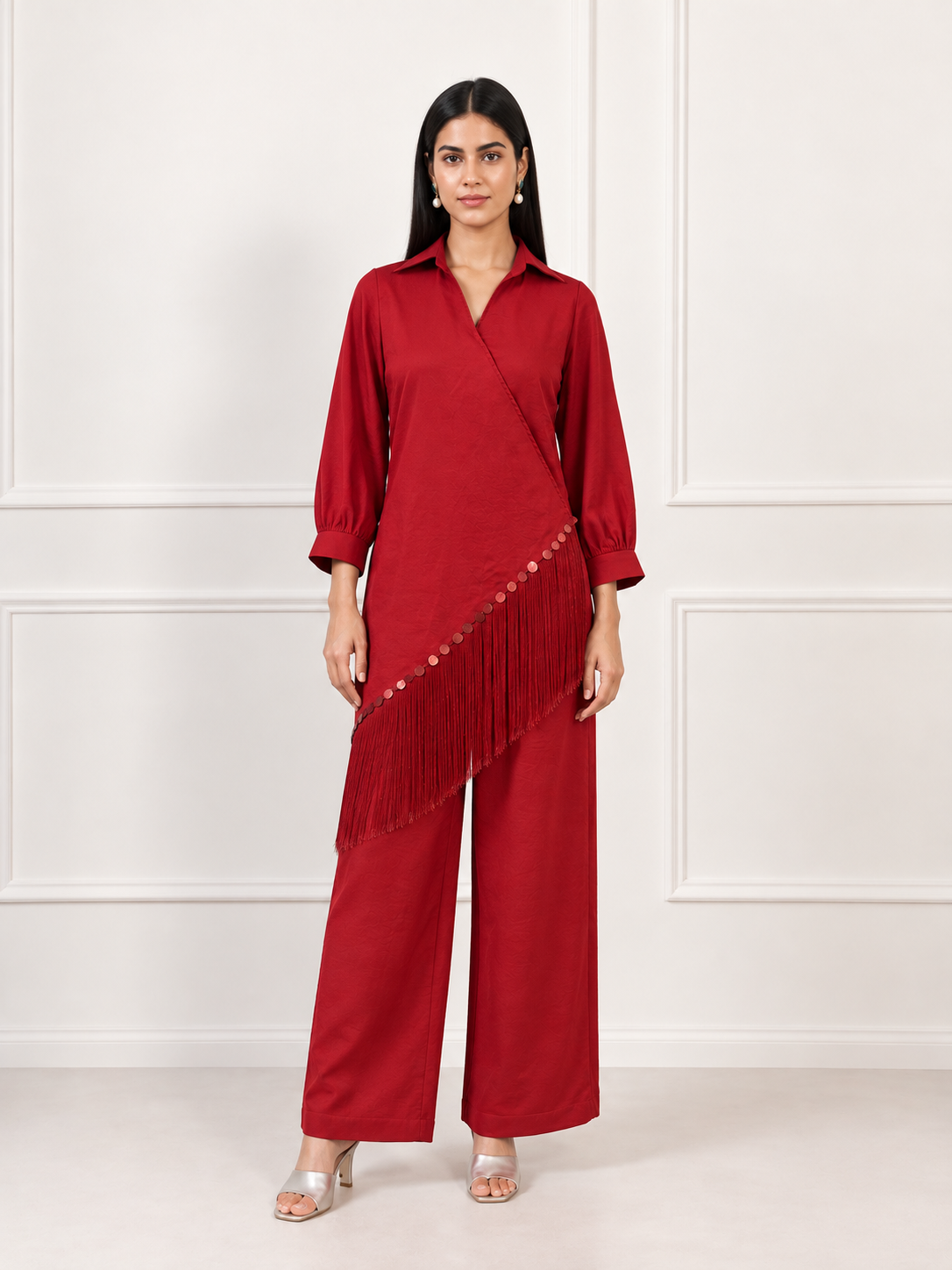
Val Fringe Co-ord Set | Red Party Wear Set
View Product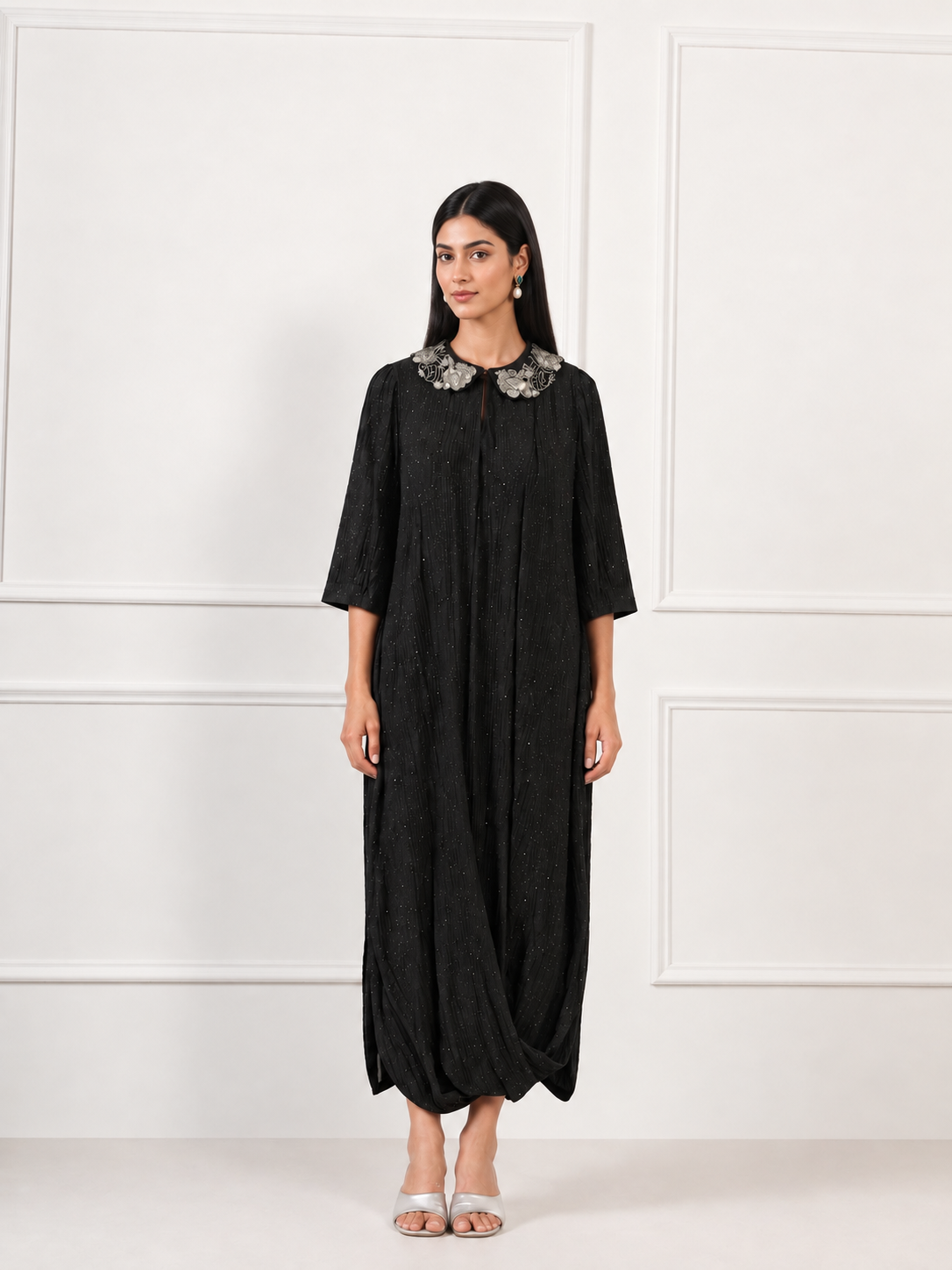
Shop Harlin Hand Embroidered Dress
View Product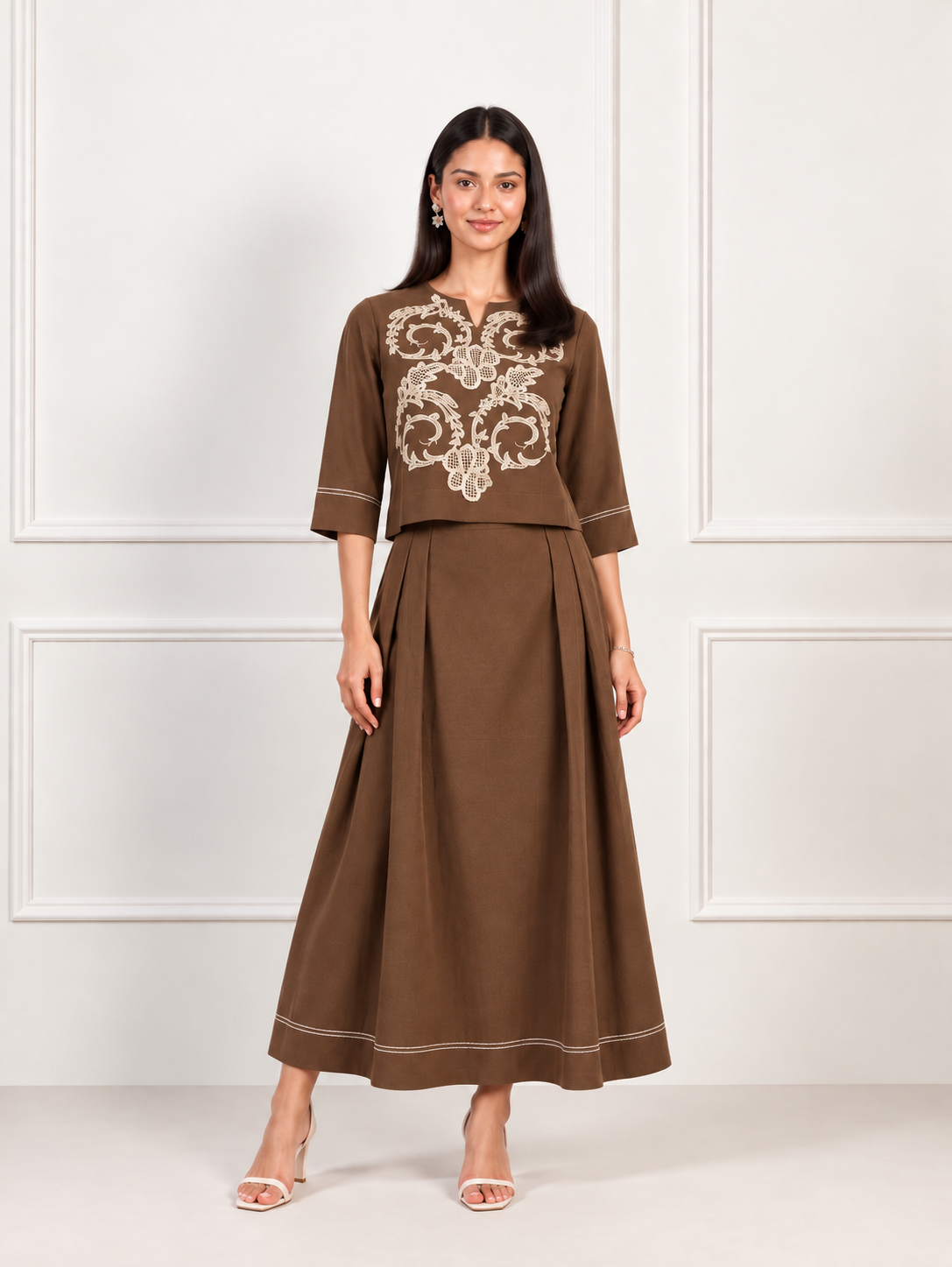
Maeve Mocha Brown Cutwork Skirt Set
View ProductWhat Are Occasion Wear Dresses?
Occasion wear dresses are outfits designed for celebrations, social gatherings and events that call for something more considered than everyday clothing. They often feature distinctive silhouettes, interesting fabrics, thoughtful detailing or refined finishes.
Unlike casual dresses, occasion wear is usually chosen with the event's atmosphere in mind. A lightweight dress might suit a garden wedding, while a structured outfit may be more appropriate for a formal dinner.
Occasion wear can include:
- Midi dresses: Suitable for daytime celebrations, dinners and semi-formal gatherings.
- Maxi dresses: A popular choice for receptions, evening parties and outdoor celebrations.
- Evening gowns: Long, formal styles for black-tie events and grand celebrations.
- Pleated dresses: Designs that add texture and movement without requiring heavy embellishment.
- Statement dresses: Outfits featuring distinctive sleeves, necklines, textures or silhouettes.
The details make a difference. A clean neckline, well-balanced proportions and carefully chosen accessories can turn a simple dress into one of the more elegant dresses for ladies at a special event.
Occasion wear doesn't always have to be heavily embellished. Sometimes, a beautiful cut and a suitable fabric are all you need.
How to Choose Occasion Wear Dresses for Weddings
Weddings often include several events, and each may have a different dress code. An outfit that works for a daytime ceremony might not feel right for an evening reception.
Before choosing occasion wear dresses for weddings, consider the invitation, venue, weather and level of formality.
Wedding Ceremonies and Daytime Functions
Daytime ceremonies, garden weddings and outdoor celebrations often suit softer colours and lighter-looking outfits. Pastels, floral prints and understated designs can work well, depending on the wedding's dress code.
Midi dresses and flowing maxi styles are practical options. If the event takes place outdoors, consider the ground beneath your feet and choose footwear that won't make walking difficult.
Avoid wearing white or any colour specifically reserved for the couple, if the invitation mentions it.
Evening Receptions and Cocktail Nights
Evening receptions generally allow for more formal styling. Deep shades, rich textures, elegant pleats and subtle embellishments can create a polished appearance.
A long dress with a defined waist or a structured midi dress may suit the setting. For cocktail nights, you can consider a more expressive neckline, statement earrings or a distinctive silhouette.
If you're looking for outfit inspiration, explore cocktail party styles for ideas suited to evening celebrations.
Engagement Parties and Destination Weddings
Engagement parties can range from intimate family gatherings to formal evening events. Choose your outfit based on the venue and invitation rather than assuming every engagement calls for a heavily dressed look.
Destination weddings need a little extra planning. For a beachside ceremony, consider breathable fabrics, manageable hemlines and shoes suited to sand or uneven paths. For a city wedding, a structured dress or flowing maxi may be more suitable.
For more guidance on fit, venue and personal styling, read these tips for finding the right wedding dress.
The most important thing is to respect the dress code while choosing something you can comfortably wear for several hours.

Aurora Metallic Dress Available in Light Grey, pink, and Brown
View Product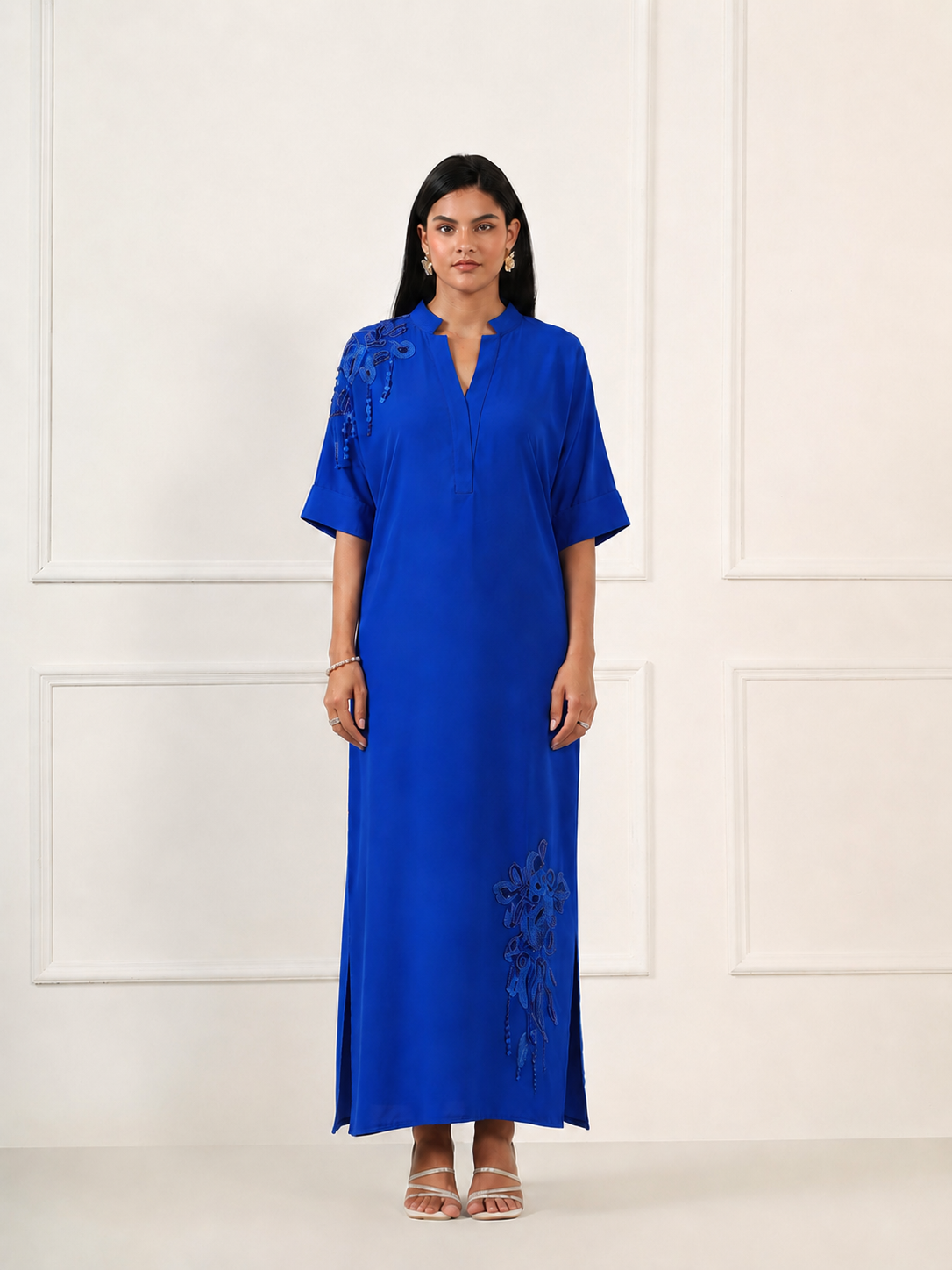
Shop Jamie Maxi Dress for women
View Product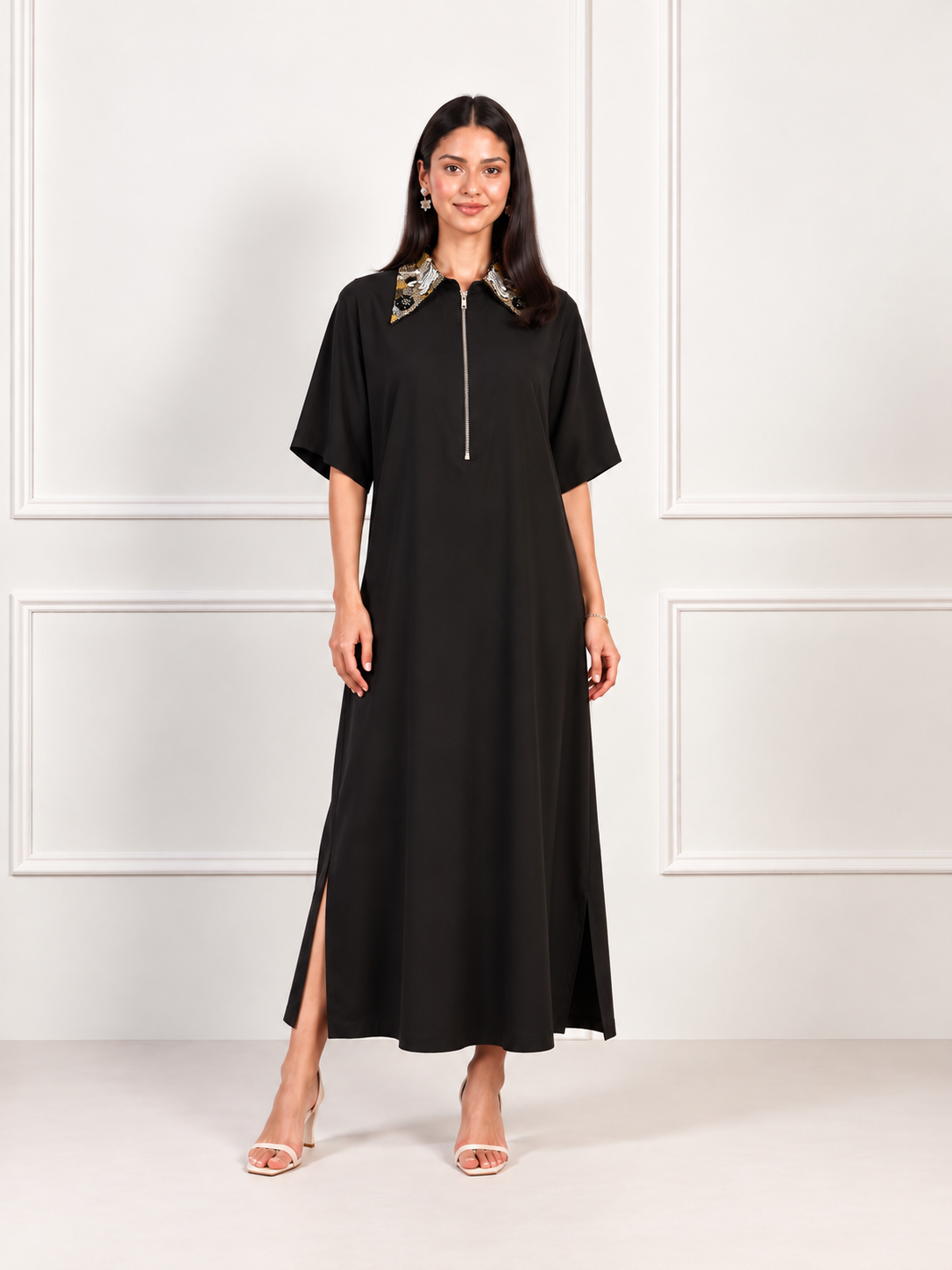
Sidney Hand Embroidered Dress for Women
View ProductMaxi Dress Occasion Wear: When to Choose a Long Dress
A maxi dress can work for many special occasions, from wedding receptions to formal dinners. Its longer length creates a graceful outline, while different fabrics and cuts can make it suitable for either relaxed or formal settings.
Maxi dress occasion wear is particularly useful when you want an outfit that offers coverage without limiting movement.
Flowing and Pleated Maxi Dresses
Flowing maxi dresses are a natural choice for outdoor celebrations and evening events. Their movement can look especially appealing in open spaces, where the fabric has room to fall naturally.
Pleated designs add texture and movement. They can be styled with simple heels, delicate jewellery or a small clutch. Browse pleated dress styles for inspiration on different pleated silhouettes.
Metallic Maxi Dresses for Evening Events
Metallic finishes can bring a more noticeable element to an evening outfit. Depending on the design, a metallic dress may suit a cocktail party, reception or festive gathering.
Keep the remaining accessories fairly simple if the dress already has a reflective finish. Neutral footwear and minimal jewellery can help maintain balance.
Choosing the Right Length and Footwear
A maxi dress should allow you to walk comfortably without stepping on the hem. Check its length while wearing the shoes you plan to use at the event.
For outdoor venues, block heels or dressy flats may be more practical than narrow heels. At formal indoor events, you can choose footwear based on the dress's length and overall style.
Formal Party Dresses for Different Events
Formal party dresses can look very different depending on where you're going. A birthday celebration, a corporate dinner and a cocktail party rarely have identical dress codes.
For cocktail parties, midi dresses, sleek silhouettes and statement details can create a balanced look. A dress with a distinctive neckline may need little more than simple earrings and a clutch.
Birthday celebrations usually offer more flexibility. You might prefer a structured dress, a pleated design or an outfit with interesting sleeves. Choose something that suits the venue, whether it's a restaurant, a private gathering or a larger celebration.
For corporate events and formal dinners, understated styling is often a practical choice. Solid colours, clean lines and modest detailing can help create a polished appearance without feeling overdressed.
Festive gatherings may allow for more expressive textures and accessories. If you're considering different looks, the party wear dresses collection can provide further outfit inspiration.
A useful tip is to decide on one main feature. It could be the dress's silhouette, its texture or a statement accessory. Let the rest of the outfit support that choice.
Women's Formal Dresses & Gowns: Choosing the Right Silhouette
The silhouette of a dress affects how it moves, how it sits and how formal it appears. When choosing women's formal dresses & gowns, think about your preferred fit and the kind of event you're attending.
- A-line dresses: These have a fitted upper section and a skirt that gradually widens. They're a versatile option for weddings, dinners and formal celebrations.
- Midi dresses: Falling between the knee and ankle, midi dresses can suit semi-formal events, daytime weddings and office celebrations.
- Maxi dresses: Their longer length works well for evening receptions, formal parties and outdoor occasions.
- Flowing gowns: Softly falling fabrics create movement and may suit formal ceremonies and evening events.
- Structured dresses: Defined shapes and clean lines can be suitable for corporate functions, formal dinners and sophisticated parties.
- Pleated styles: Pleats add texture and movement, making them a useful choice for celebrations where you expect to walk or dance.
- Statement dresses: Distinctive sleeves, necklines or fabric details can give an outfit character without relying on extensive accessories.
There's no single silhouette that suits everyone or every event. Try sitting, walking and moving your arms in the dress before deciding. A dress that looks appealing while standing should also feel comfortable throughout the occasion.
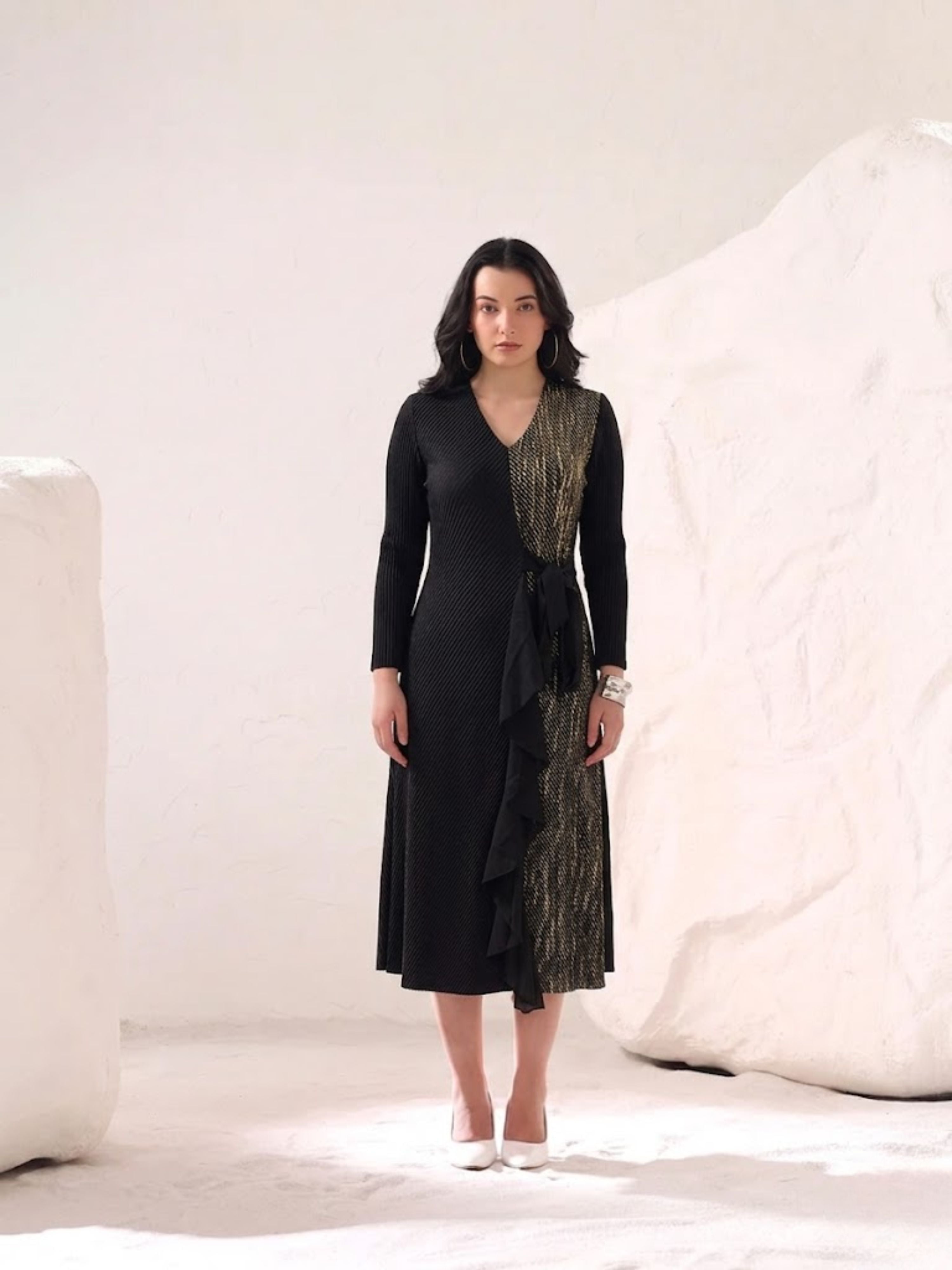
Caela Metallic Dress
View Product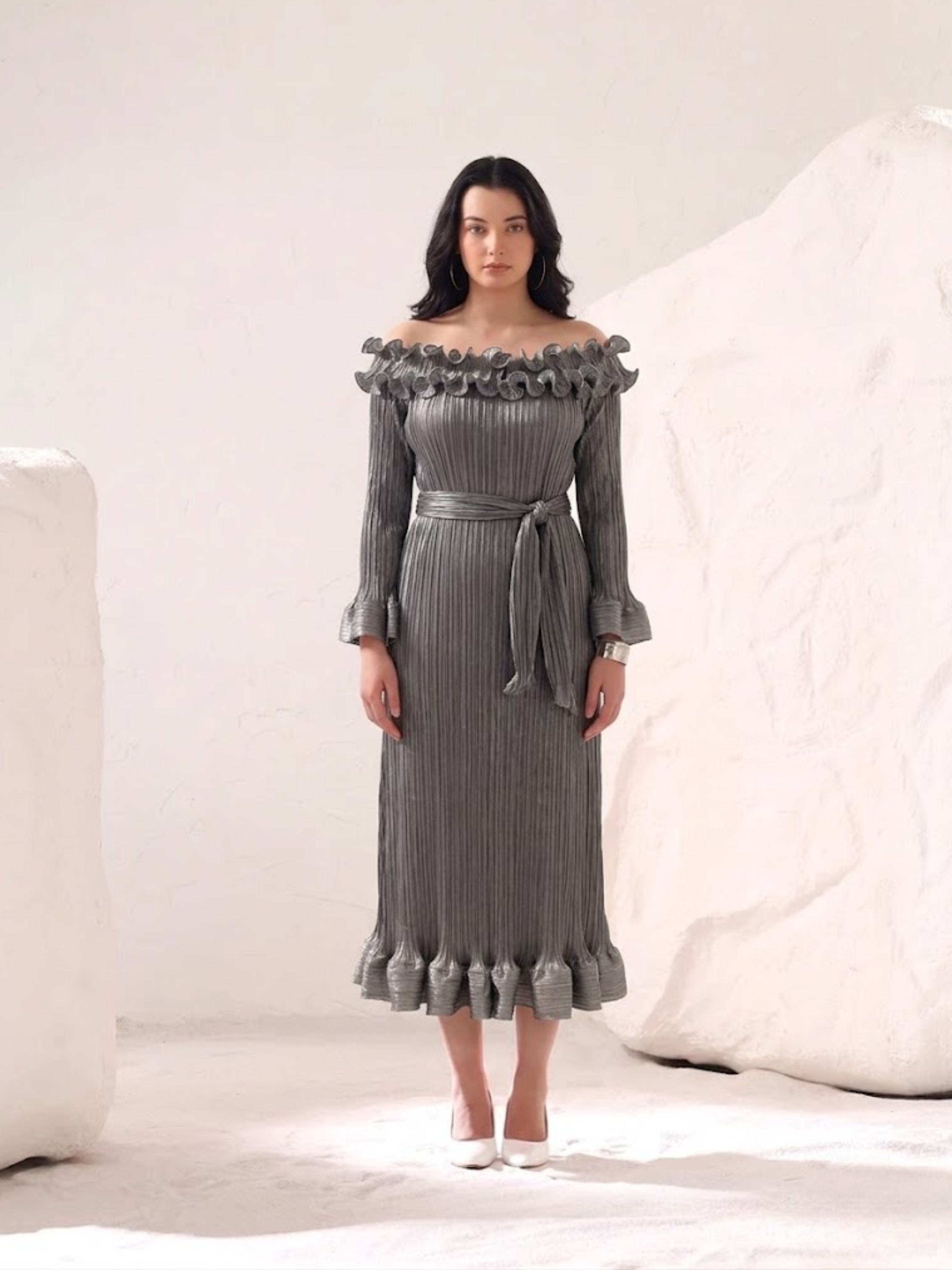
Cirel Metallic Dress
View Product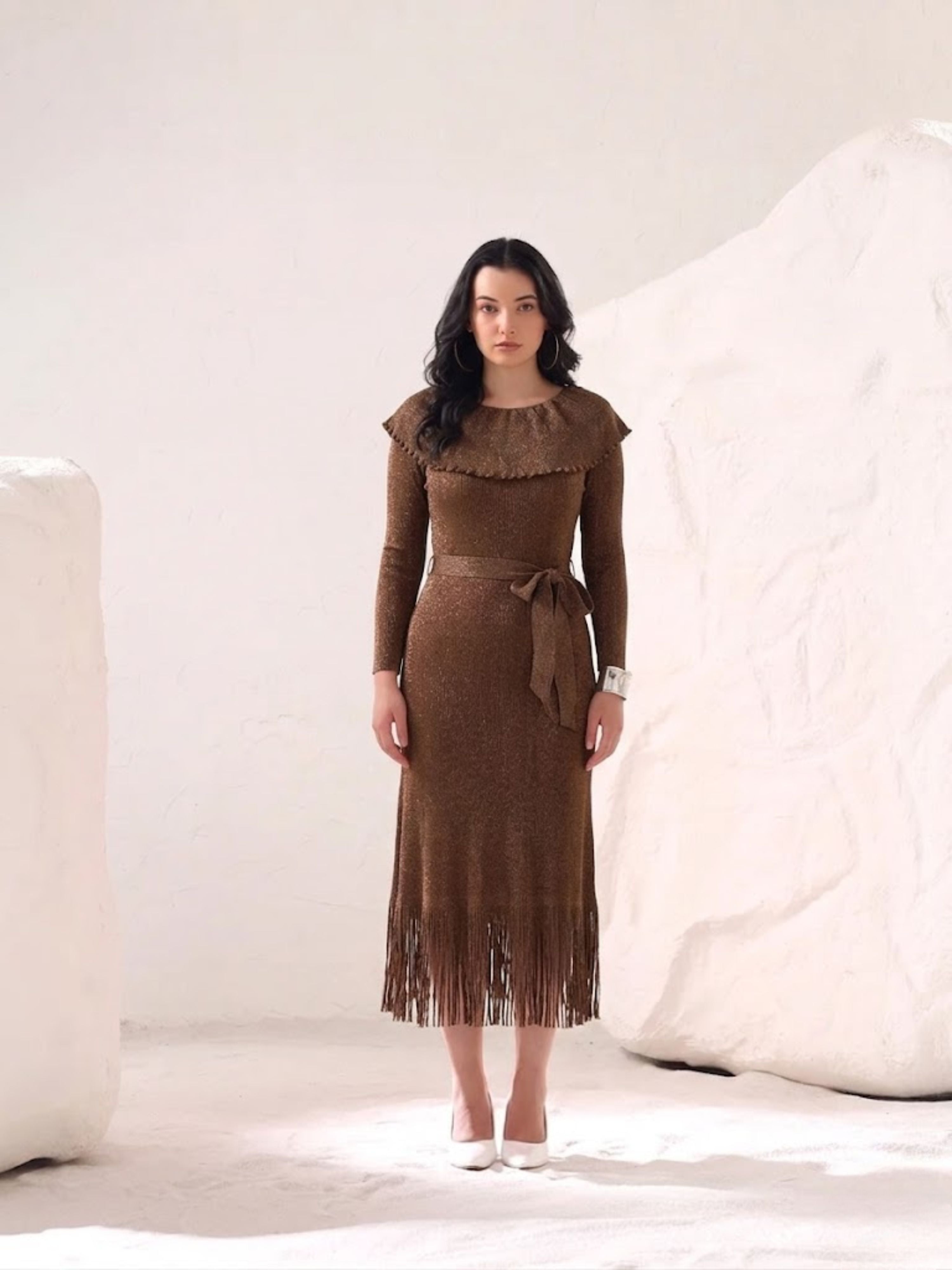
Calista Fringe Dress
View ProductEvening Gowns With Sleeves
Evening gowns with sleeves offer an option for women who prefer additional coverage or simply enjoy the look of sleeves. They can work for formal receptions, winter weddings, evening dinners and other special celebrations.
The sleeve design can change the entire appearance of a gown.
Different Sleeve Styles
- Full sleeves: A classic choice for formal events and cooler evenings.
- Three-quarter sleeves: Provide some coverage while leaving the wrists visible, making jewellery easier to style.
- Voluminous sleeves: Add shape and visual interest to otherwise simple dresses.
- Pleated or textured sleeves: Introduce detail without requiring extensive decoration elsewhere.
When selecting a sleeved gown, consider the season and venue. Heavier sleeves may feel uncomfortable in warm weather, especially at outdoor functions.
Styling a Gown With Sleeves
The neckline and sleeve design should guide your accessory choices. Drop earrings can work well with an updo, while a simple bracelet may complement three-quarter sleeves.
If the gown has detailed sleeves, avoid adding too many statement accessories. A neat hairstyle and understated footwear can keep the outfit balanced.
Dress and Jacket Occasion Wear
A dress paired with a jacket can create a coordinated look for weddings, winter celebrations, formal dinners and evening events. It also gives you the flexibility to adjust your outfit as the temperature or setting changes.
Matching dress and jacket sets create a coordinated appearance. Alternatively, a contrasting jacket can add definition and make a simpler dress feel more distinctive.
Choosing a Dress and Jacket Combination
Structured jackets can work well with fitted dresses, while slightly relaxed styles may pair nicely with flowing silhouettes. Tweed and textured jackets can introduce visual interest, particularly for cooler-weather occasions.
Consider these combinations:
- A midi dress with a structured jacket for a formal dinner.
- A dress with a matching jacket for a coordinated wedding guest outfit.
- A simple dress with a contrasting jacket for a more individual look.
Footwear can change the mood of the combination. Heels create a more traditional formal appearance, while elegant flats or ankle boots may be more practical for certain venues.
You can keep the jacket on during the ceremony or outdoor portion of an event and remove it later, provided the setting allows it. Make sure the dress looks complete on its own, too.
Elegant Dresses for Ladies: Daytime vs Evening Occasions
The time of an event can influence the fabric, colour and overall styling of your outfit. Elegant dresses for ladies don't need to follow strict rules, but a few practical considerations can make choosing easier.
| Styling detail | Daytime occasions | Evening occasions |
|---|---|---|
| Colours | Pastels, soft shades, floral prints | Deep tones, metallics, rich colours |
| Silhouettes | Midi, flowing maxi, A-line | Maxi, gowns, structured dresses |
| Fabrics | Lightweight and breathable options | Textured, flowing or more structured options |
| Accessories | Delicate jewellery, smaller bags | Statement earrings, clutches |
| Footwear | Flats, block heels, wedges | Heels, dressy flats, formal footwear |
For daytime weddings and garden parties, lighter-looking outfits can feel appropriate. Choose fabrics that suit the temperature and allow you to stay comfortable when moving between indoor and outdoor spaces.
Evening events may offer more room for statement styling. A darker dress, a metallic finish or an interesting neckline can create a more formal look without needing heavy embellishments.
That said, the invitation matters more than the time alone. A daytime black-tie event may require more formal clothing than a relaxed evening birthday dinner.
How Would You Describe a Dress You Wear on a Special Occasion?
A dress for a special occasion can be described by its silhouette, fabric, colour, neckline, sleeves, fit and detailing. The description should also explain where you'd wear it and what makes it suitable for that event.
For example, a flowing pleated maxi dress in a soft shade, with a defined waist and a simple neckline, could be suitable for an evening reception. A structured midi dress with three-quarter sleeves and subtle detailing might work for a formal dinner.
When describing your outfit, focus on the details that make it distinctive:
- Silhouette: Fitted, A-line, flowing or structured.
- Fabric: Lightweight, textured, pleated or smooth.
- Colour: Soft pastels, neutral shades, deep tones or metallic finishes.
- Details: Neckline, sleeves, embellishments, pleats and overall finish.
- Occasion: Wedding, cocktail party, formal dinner or festive celebration.
These details make it easier to explain your personal style and choose an outfit that suits the event.
How to Accessorize an Occasion Wear Dress
Accessories can change the appearance of a dress without requiring a completely different outfit. The idea is to complement the design rather than compete with it.
Jewellery and Necklines
A necklace can work well with a simple neckline, while statement earrings may be more suitable for high-neck or heavily detailed dresses. If your dress already features embellishments, keep jewellery minimal.
Shoes and Handbags
Consider the venue before choosing footwear. Block heels are useful for outdoor weddings, while formal heels or elegant flats may suit indoor receptions.
A small clutch or compact handbag can complete the outfit without becoming difficult to carry throughout the event.
Hairstyles, Makeup and Layers
An updo can draw attention to statement earrings or an interesting neckline. Loose hairstyles may complement softer, flowing dresses.
For cooler weather, add a structured jacket, a wrap or a light shawl. Makeup can be kept simple for daytime events or made more defined for evening celebrations, depending on your preference.
There's no need to use every accessory at once. A few well-chosen pieces are often enough.
How to Choose Occasion Wear That You Can Wear Again
A special occasion dress doesn't have to remain in your wardrobe after one event. Choosing versatile designs can help you restyle the same outfit for different celebrations.
- Choose adaptable colours: Black, navy, burgundy and certain neutral shades can work across several types of events.
- Consider wearable silhouettes: Midi dresses and simple maxi styles may be easier to restyle than highly elaborate gowns.
- Change your accessories: Swap statement earrings for delicate jewellery, or use different footwear to create a noticeably different look.
- Think about layering: A jacket, blazer or wrap can change the overall appearance of a dress.
- Consider the occasion: A formal gown may be ideal for receptions but less suitable for casual dinners.
For anniversaries, romantic dinners and milestone celebrations, you can also browse anniversary outfit ideas for additional styling inspiration.
Before buying a dress, consider whether you can imagine wearing it to another event. A versatile design can make the purchase more practical without taking away from the excitement of dressing up.
Conclusion
The right occasion wear dress depends on more than its appearance. The event, venue, dress code, weather and your personal style all play a part in choosing an outfit that feels suitable.
A flowing maxi dress may be ideal for an evening reception, while a structured midi dress could work well for a formal dinner. Small details, from sleeve length to footwear, can make a real difference to comfort and overall styling.
Choose something that allows you to enjoy the occasion without constantly adjusting your outfit. When the fit, design and setting come together, getting dressed for a special event becomes much easier.
Frequently Asked Questions
1. What should I wear to a wedding as a guest?
Choose an outfit that matches the wedding's dress code, venue and time of day. Midi dresses, flowing maxi dresses and formal gowns can all work, depending on the celebration. Avoid colours reserved for the couple and prioritise comfort.
2. Which dresses are suitable for formal parties?
Structured midi dresses, elegant maxi dresses and flowing gowns can suit formal parties. The right option depends on the invitation, venue and level of formality. Keep accessories balanced with the dress's design.
3. Can I wear a maxi dress to a wedding reception?
Yes, a maxi dress can be suitable for a wedding reception. Choose a design that matches the dress code and venue. Check the hem length and footwear to ensure you can move comfortably throughout the event.
4. Are evening gowns with sleeves suitable for formal events?
Yes, sleeved evening gowns can be suitable for formal dinners, receptions and winter celebrations. Full sleeves, three-quarter sleeves and textured designs offer different styling options. Choose a sleeve style that suits the weather and your comfort.
5. What is the difference between occasion wear and formal wear?
Occasion wear covers clothing for celebrations, parties, weddings and special events. Formal wear is usually associated with specific dress codes and more structured expectations. Some occasion wear dresses can also qualify as formal wear.
6. How do I choose an elegant dress for a special occasion?
Start with the event's dress code, venue and weather. Then consider the silhouette, length, fabric and neckline you prefer. Choose a dress that feels comfortable when sitting, walking and moving around.
7. Can a dress and jacket set be worn to a wedding?
Yes, a dress and jacket set can be suitable for many weddings, particularly formal ceremonies and cooler-weather celebrations. Choose a combination that fits the dress code and venue, and make sure the dress looks appropriate when worn without the jacket.
8. How can I style an occasion wear dress for more than one event?
Change the accessories, footwear, hairstyle and outer layers to give the dress a different appearance. A simple midi or maxi dress can often be styled for several occasions, although very formal gowns may have more limited uses.


