

The Complete Guide to Office Wear for Women: Dress Smart, Feel Confident
Standing in front of your closet at 7 AM, coffee in hand, staring at clothes that suddenly all look wrong. Every working woman knows this feeling.
Getting dressed for work shouldn't feel like solving a puzzle. But finding the right office wear for women that balances professionalism with comfort gets tricky fast.
You want to look capable without trying too hard. You need outfits that survive back-to-back meetings. And honestly, you'd love to stop second-guessing every outfit choice.
This guide breaks down everything about office wear for women without the usual fluff. Real advice, practical tips, and solutions that actually work for busy professionals.
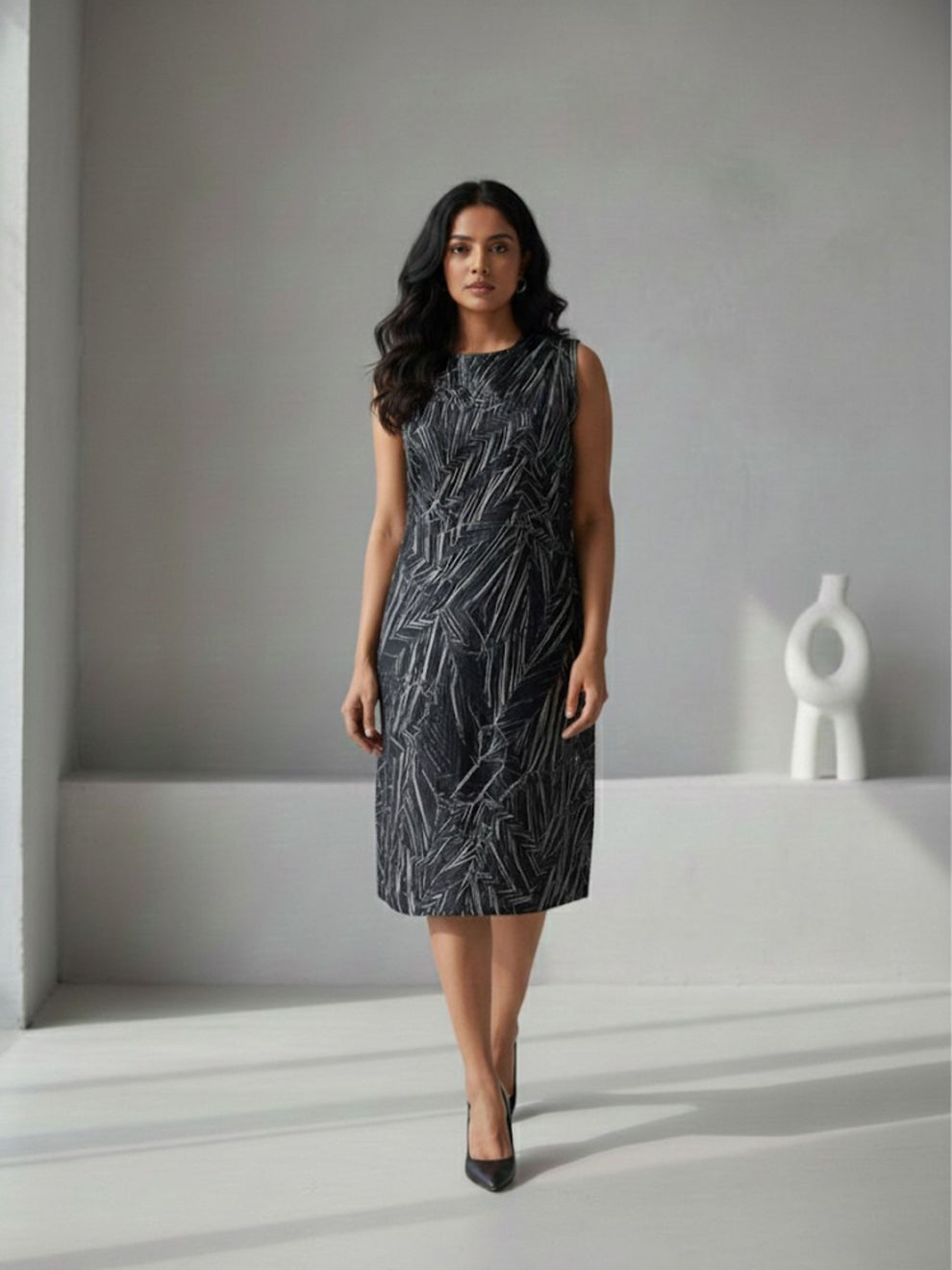
What Actually Makes Good Office Wear for Women
Good work clothes do three things well. They make you feel like yourself. They follow whatever dress code your workplace has. And they last through long days without constant adjusting.
First step? Figure out what your office expects. Some places want strict business formal. Others are fine with creative casual. Most fall somewhere in the middle.
What works:
-
Fits comfortably without being tight
-
Fabric that doesn't wrinkle when you sit
-
Colors that mix with your other clothes
-
Appropriate hemlines and necklines
-
Shoes you can walk in without limping
Watch what senior women in your office wear. That tells you more than any dress code manual.
Why Dresses Solve Half Your Morning Problems
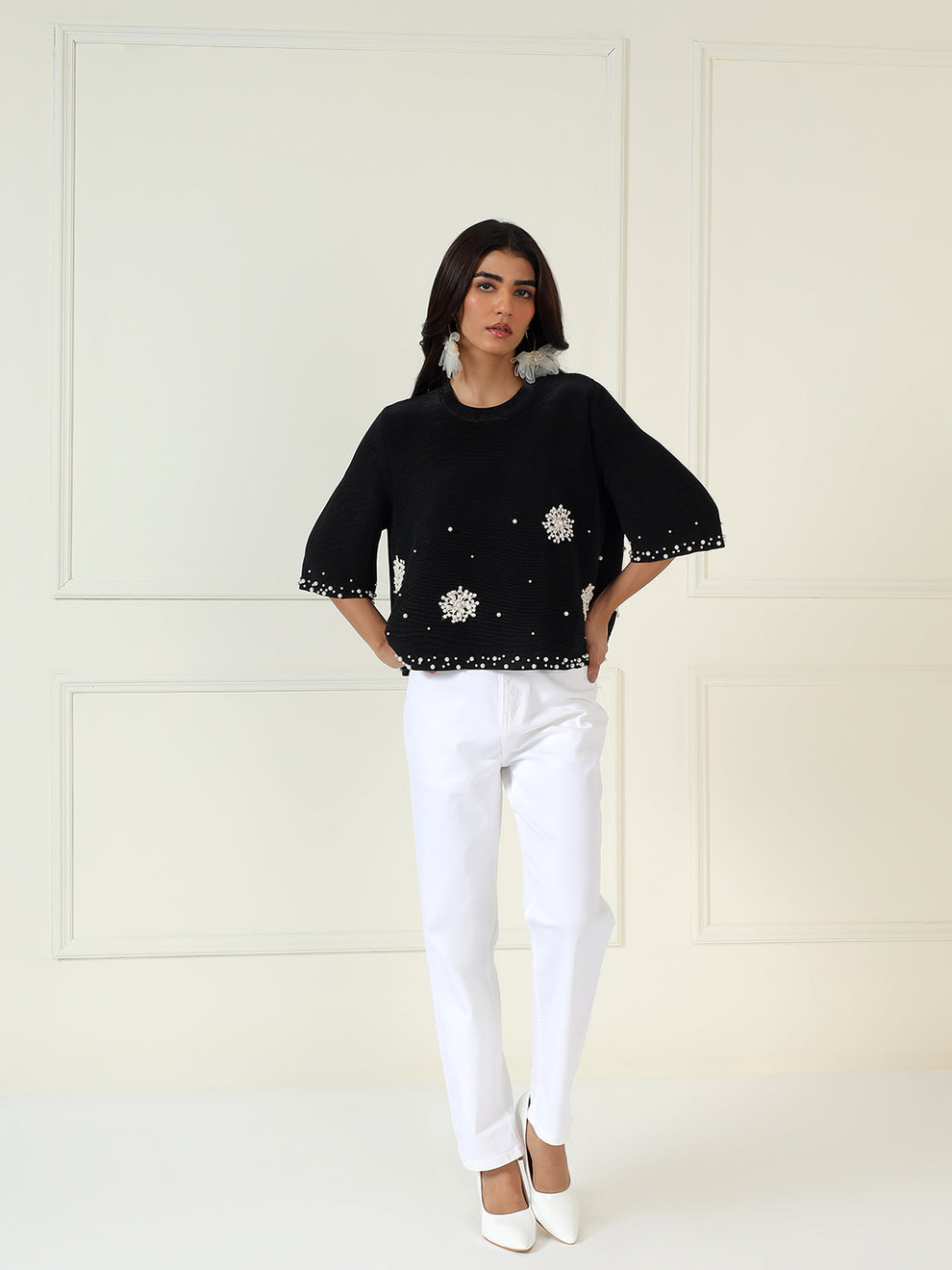
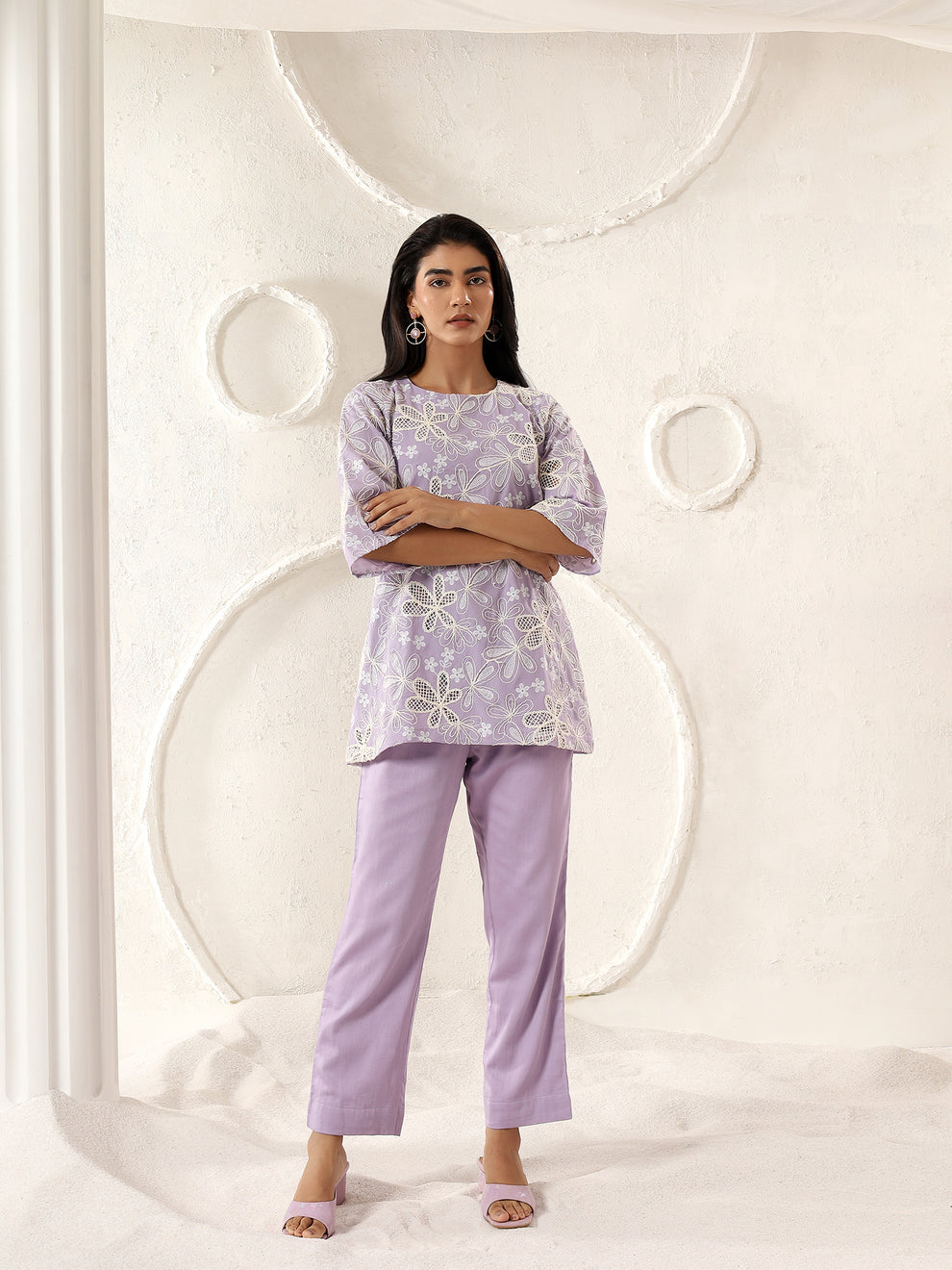
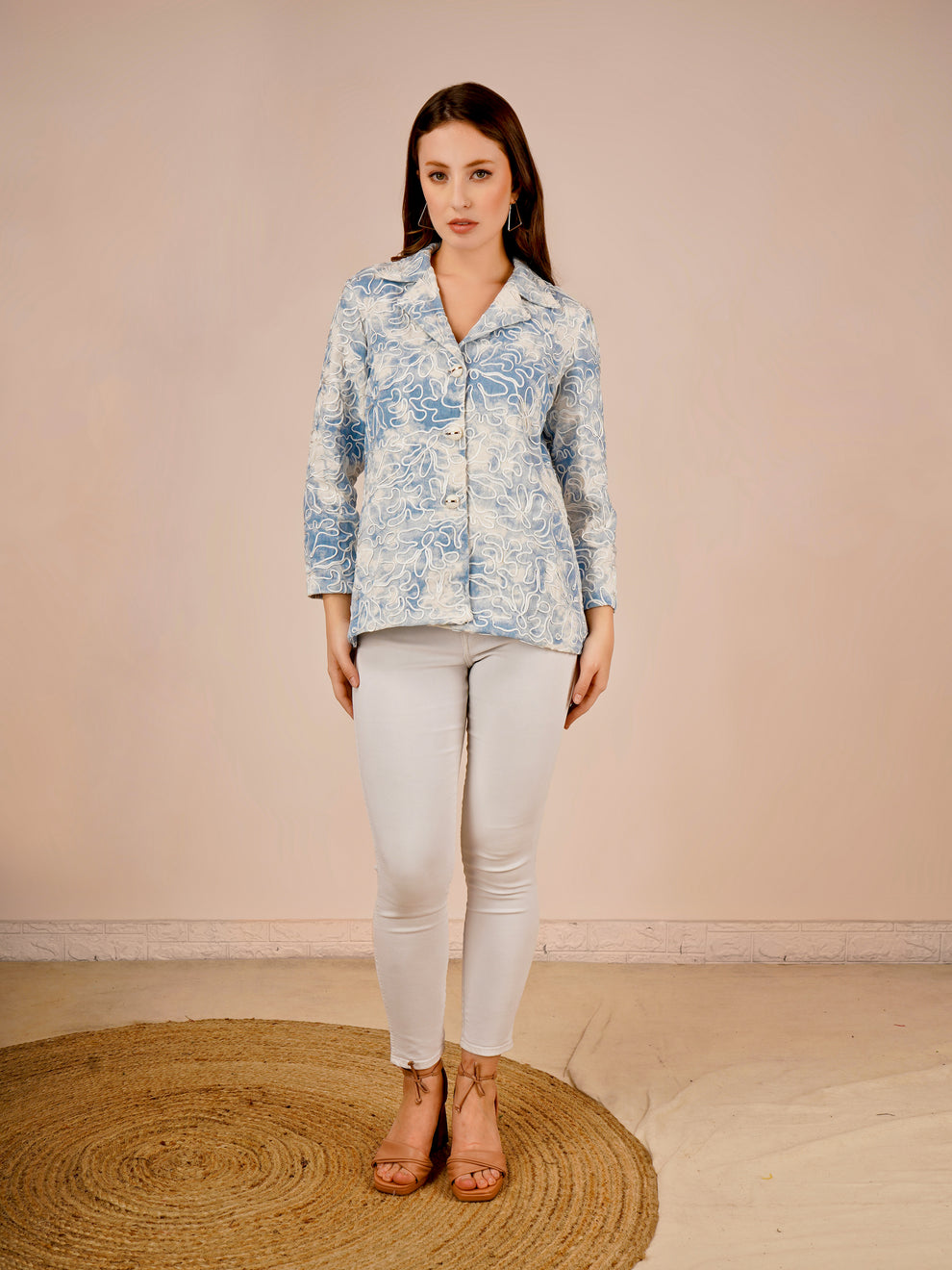
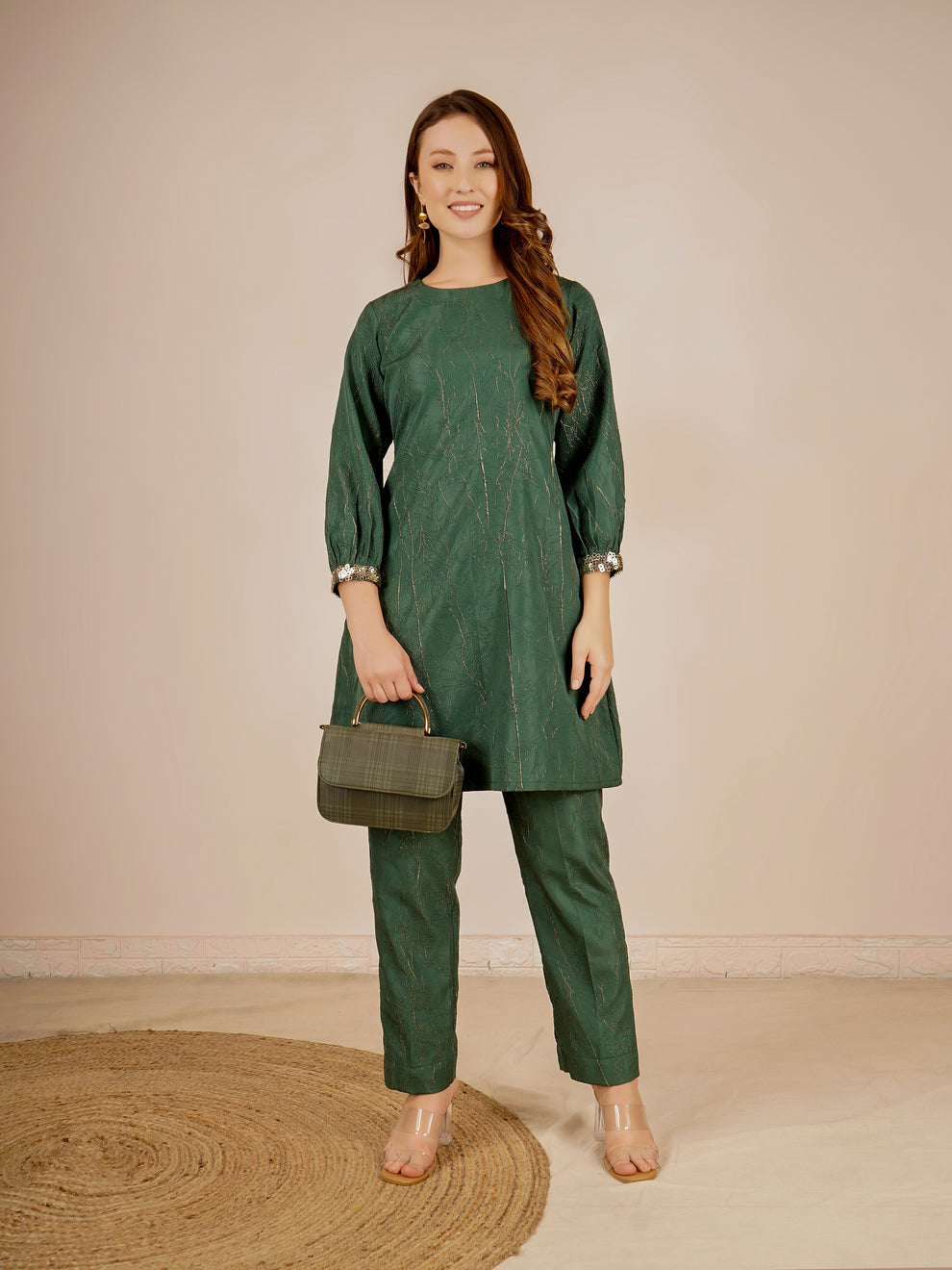
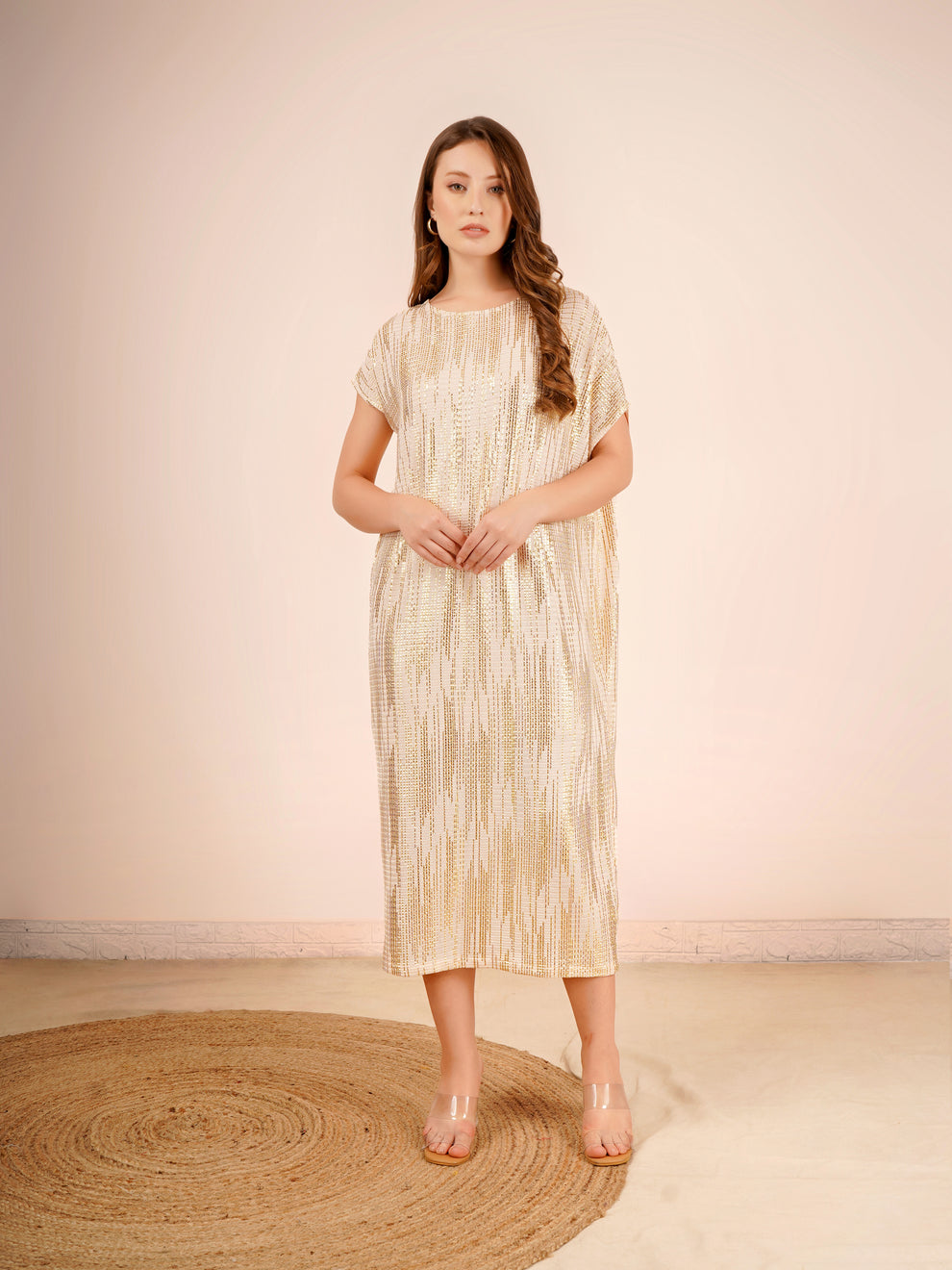
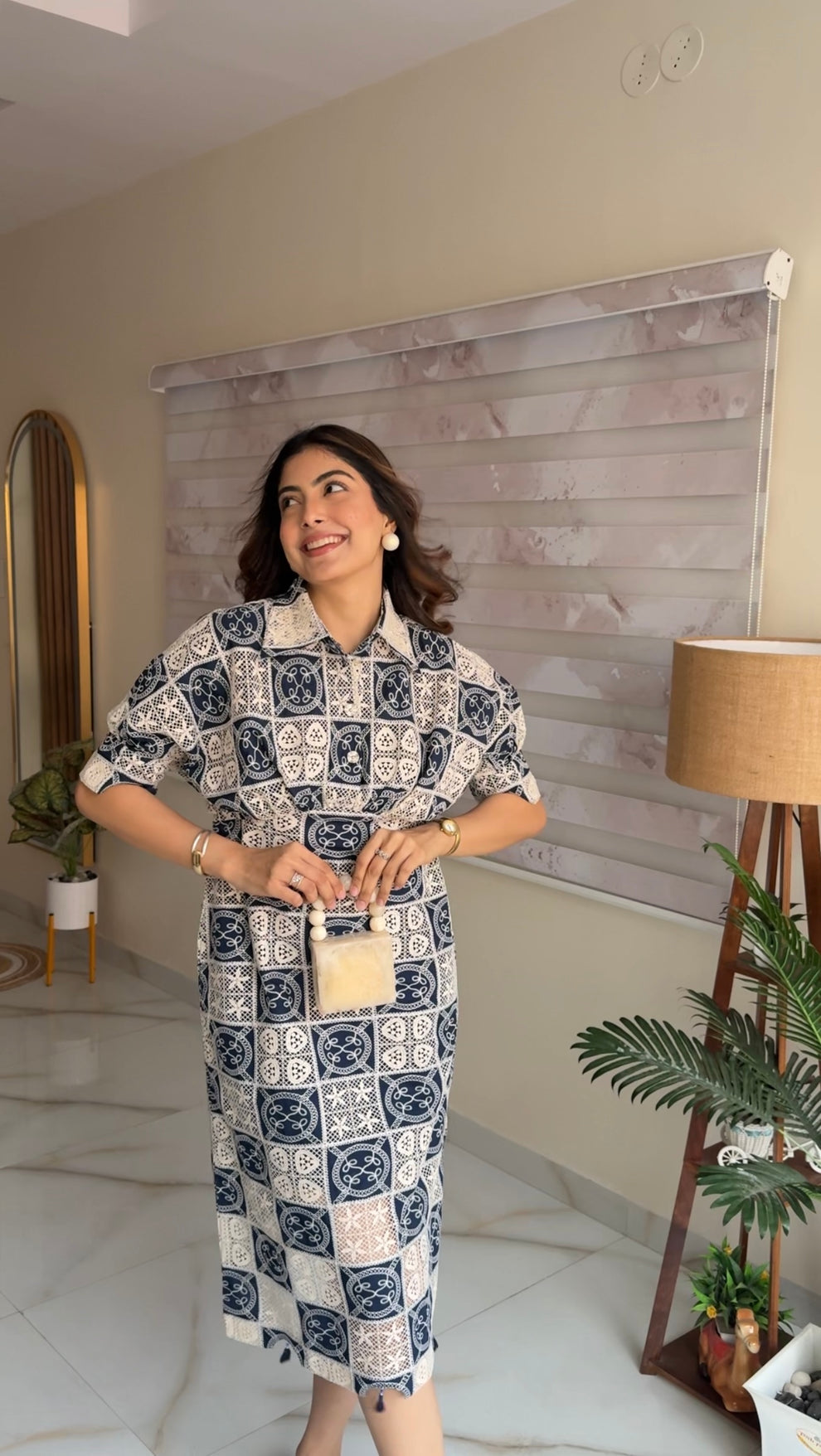
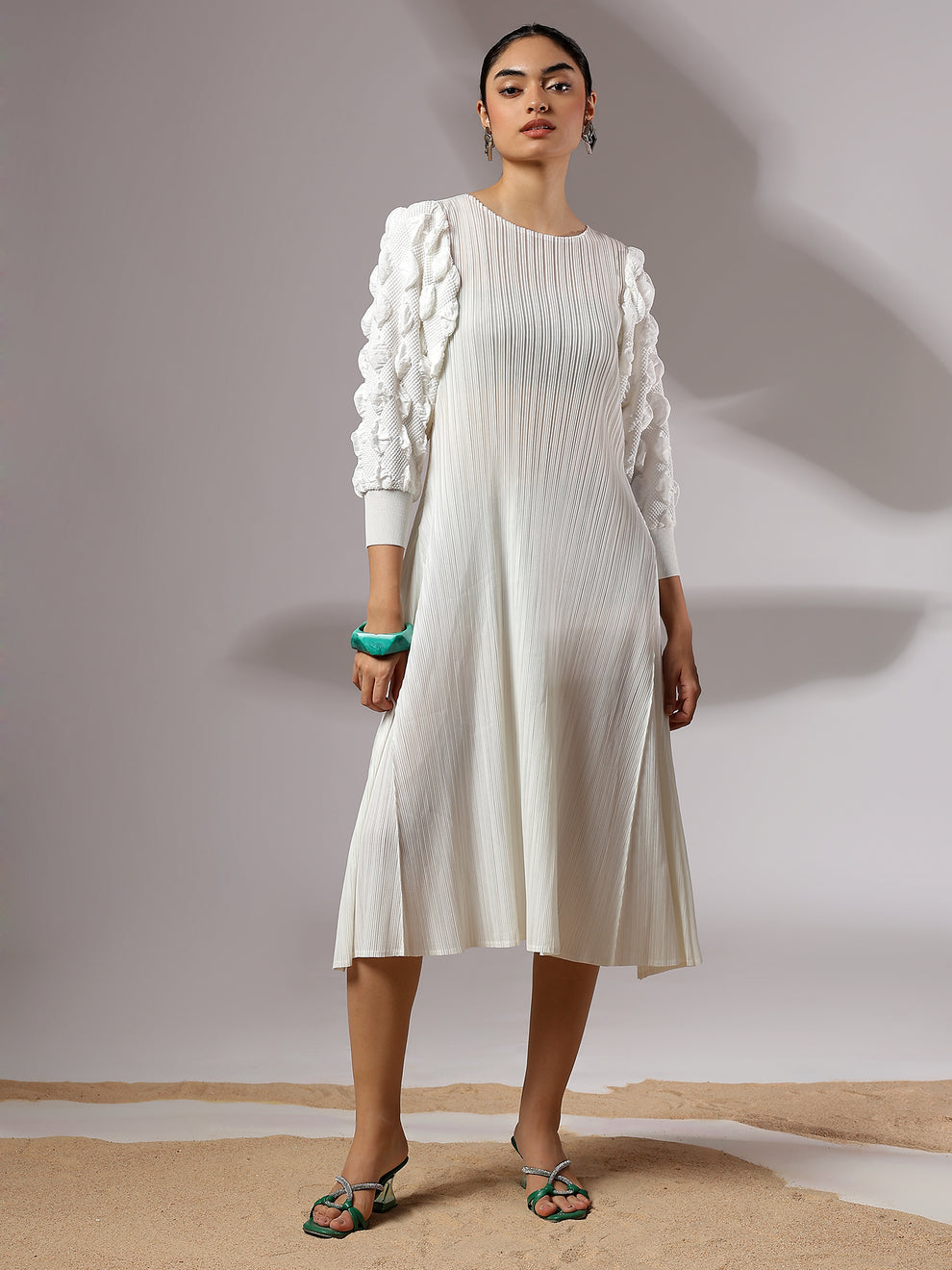
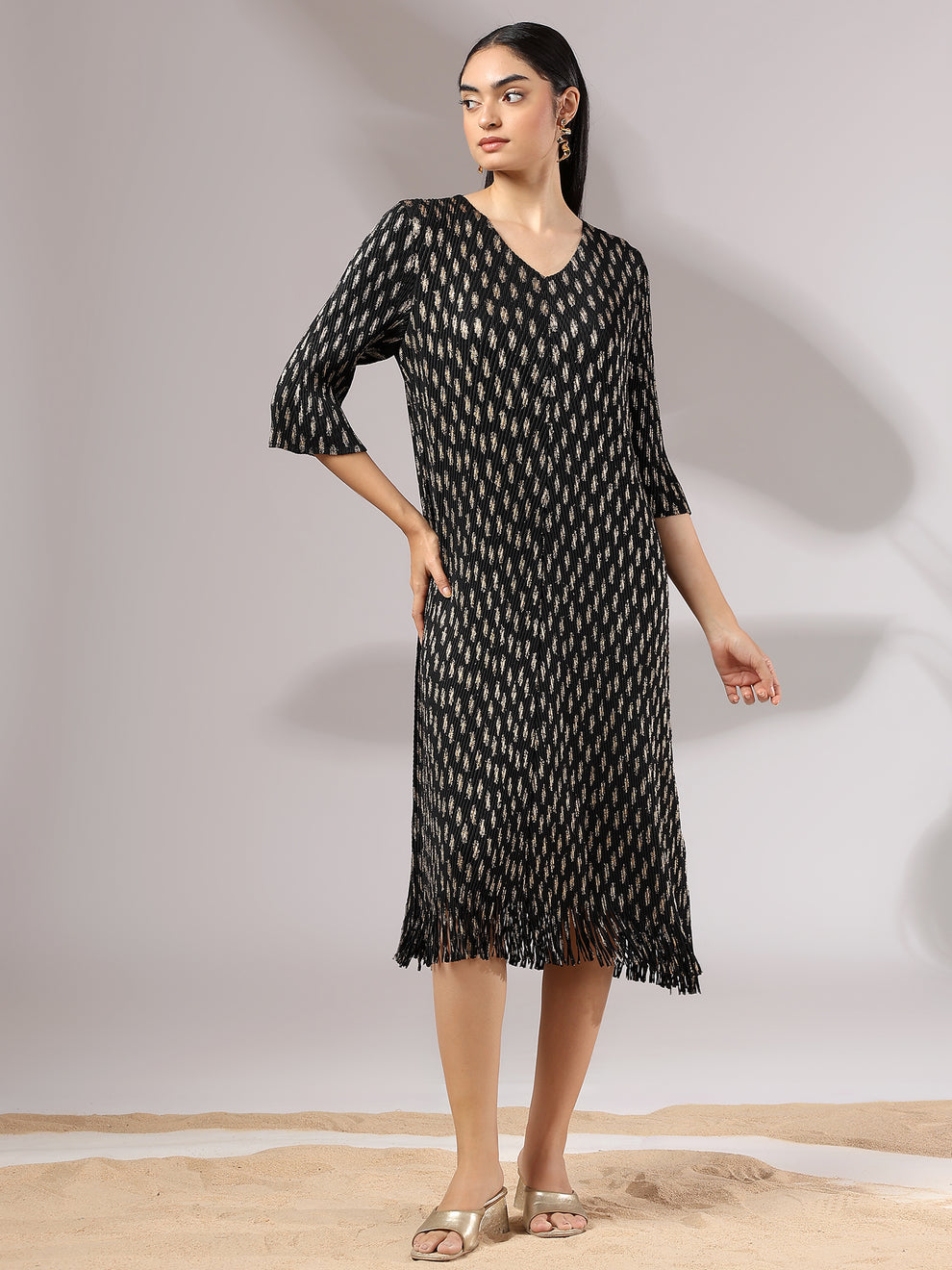
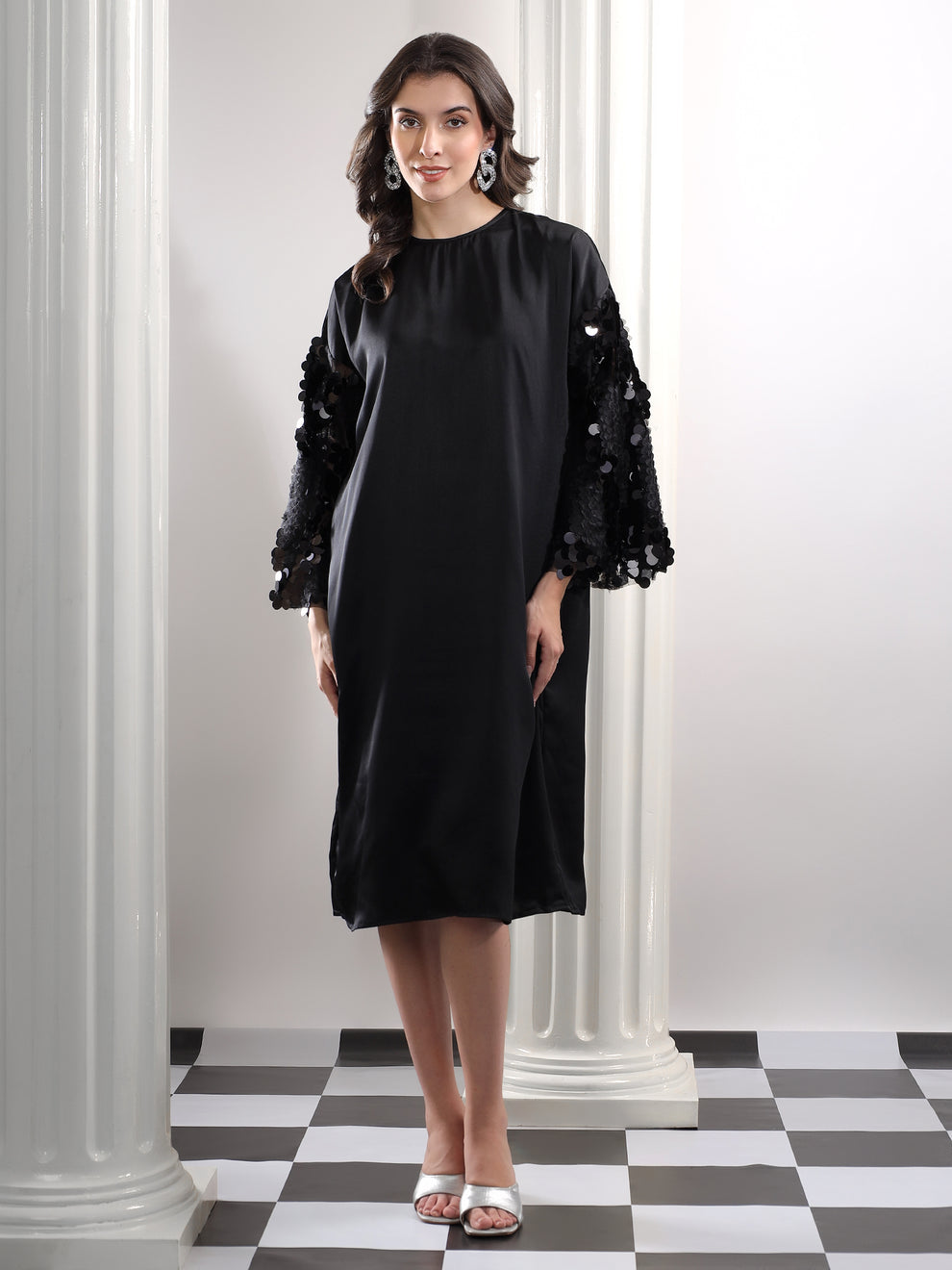
Dresses are brilliant for work. One piece and you're done. No matching tops to bottoms. No wondering if things go together.
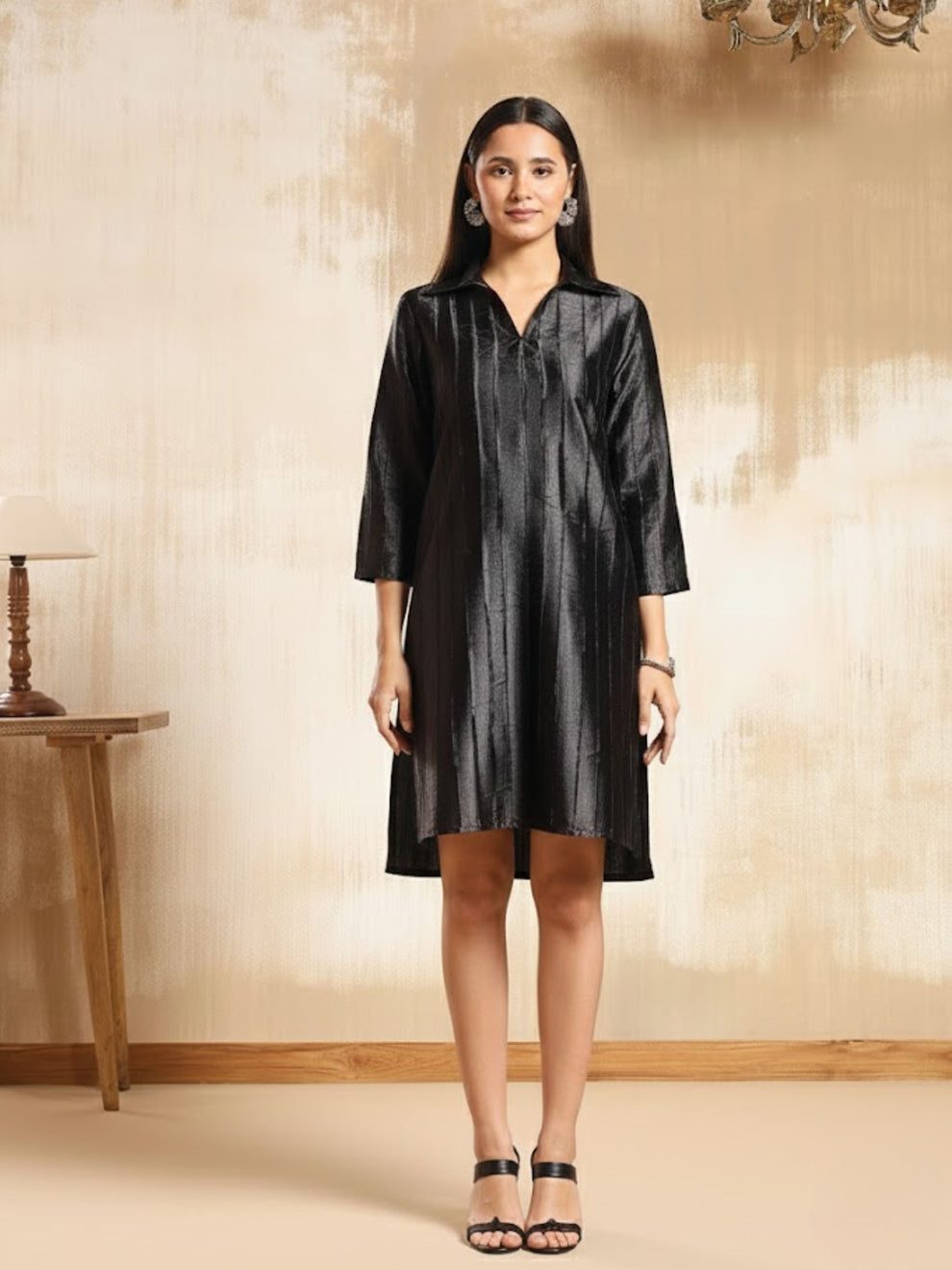
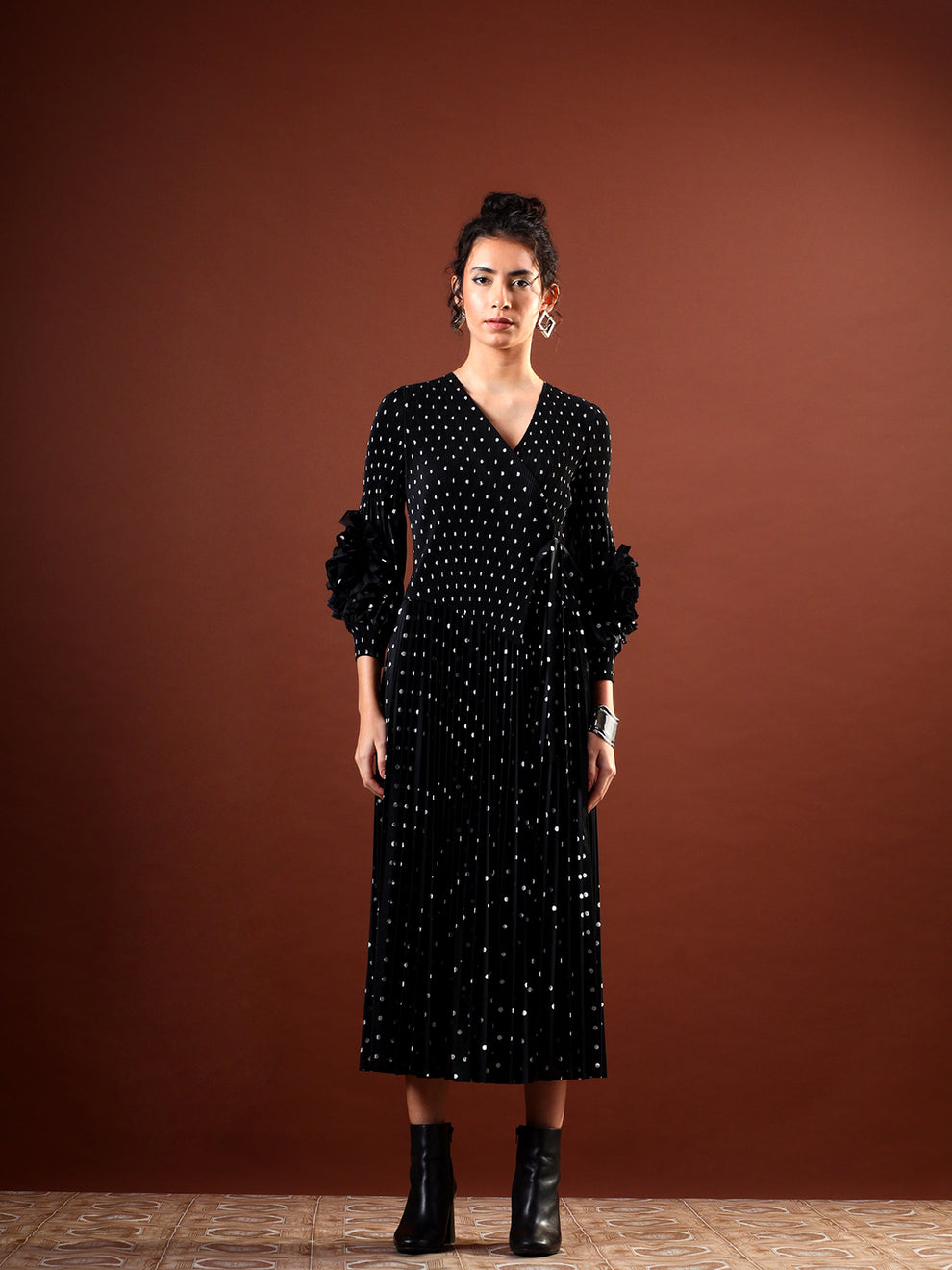
Formal dresses for women office wear stay popular because they eliminate decisions. Running late? Grab a dress. Client meeting? Dress. Brain fog morning? Dress.
When shopping for office wear dresses for women, focus on these features:
-
Hits at or just below the knee
-
Structured fabric that holds shape
-
Sleeves for conservative offices
-
Solid colors or subtle patterns
-
Machine washable (check that tag first)
Keep three or four good ones rotating. Your mornings just got 10 minutes shorter.
A navy sheath dress works for presentations. A burgundy A-line handles client lunches. A black shift dress covers unexpected meetings. Build from there.
Office Wear Kurti for Women Brings Cultural Style to Work
Kurtis balance comfort and professionalism in ways western wear sometimes misses.
The right office wear kurti for women works beautifully in modern workplaces. Pair with straight pants, palazzos, or churidars depending on your comfort and office vibe.
Kurti styles for professional settings:
|
Style |
Best Situations |
What to Pair |
|
Straight Cut |
Formal meetings, presentations |
Cigarette pants, pencil skirts |
|
A-Line |
Daily office wear |
Palazzos, fitted leggings |
|
Anarkali |
Office celebrations, events |
Well-fitted churidars |
|
High-Low |
Creative casual offices |
Jeggings, ankle pants |
Cotton and linen blends work best for long workdays. Skip heavy embroidery for regular office hours. Save that for special occasions.
Choose solid colors or minimal prints. Think elegant, not festive.
Building Your Core Work Wardrobe Without Overthinking
Forget owning 50 different outfits. That's exhausting.
A capsule wardrobe makes way more sense. Fewer pieces that all work together. Everything matches. Getting dressed becomes automatic instead of stressful.
Essential pieces for office wear for women in India and beyond:
-
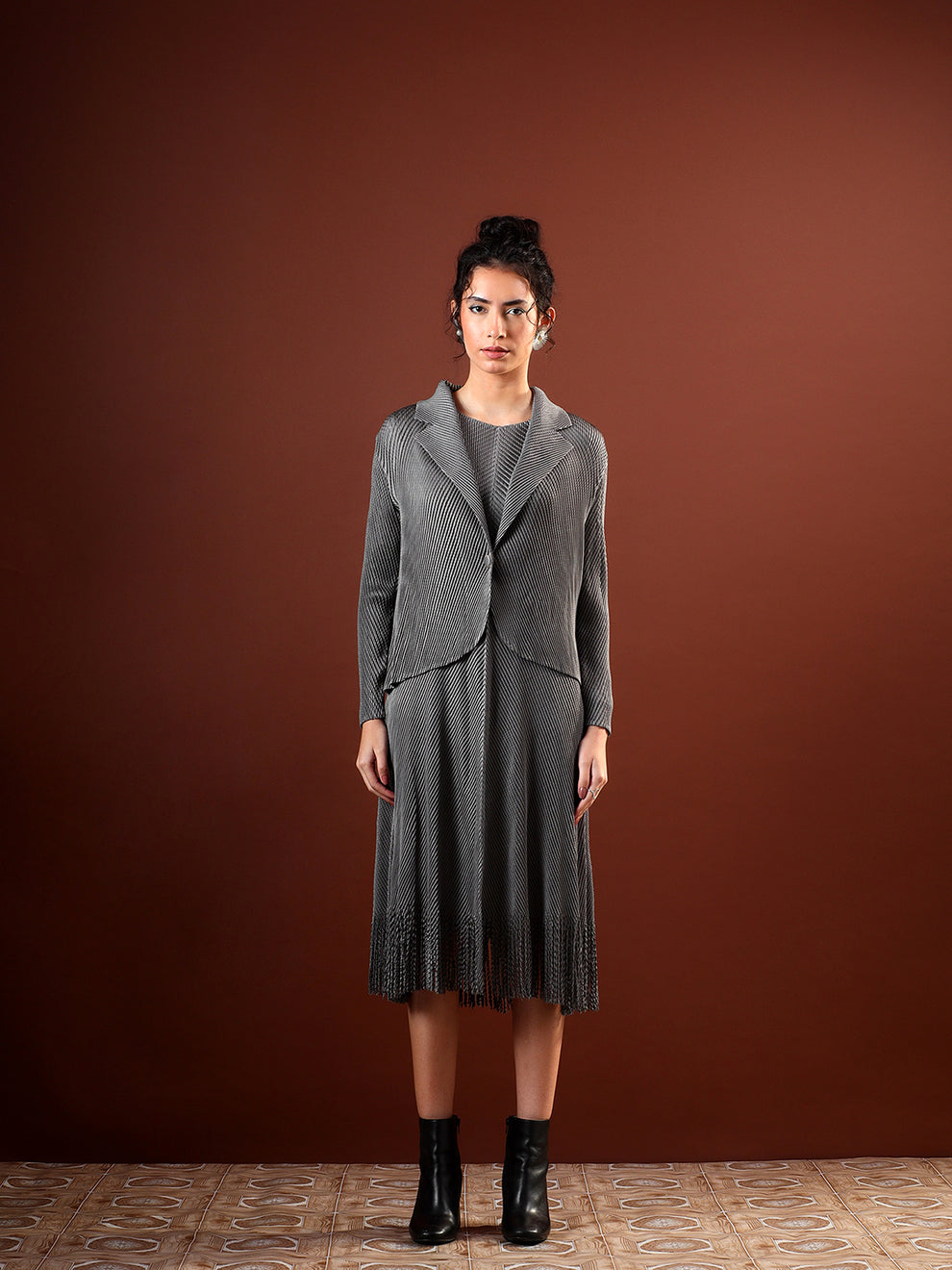
Three blazers (black, navy, gray)
-
Five button-down shirts in white and neutrals
-
Two well-fitted trousers in black and navy
-
Two pencil skirts
-
Three formal tops for women office wear with personality
-
Two versatile dresses
These create dozens of outfit combinations. Quality beats quantity here. One amazing blazer you wear weekly beats five cheap ones gathering dust.
Add seasonal layers gradually. Light cardigans for summer AC. Warm coats for winter. Don't overhaul everything at once.
Start with basics. Build slowly. Replace items as they wear out with better versions.
Colors That Work in Professional Spaces
What you wear affects how people see you. Color psychology is real.
Professional color palette:
-
Navy blue (trustworthy, put together)
-
Charcoal gray (sophisticated, versatile)
-
Black (powerful but don't overdo it)
-
White or cream (clean, classic)
-
Deep burgundy or wine (elegant personality)
Add pops of color through accessories. A bright scarf. Colorful shoes. A patterned blouse under a neutral blazer.
Keep your base neutral. Build personality from there.
Avoid neon shades, overly bright patterns, or anything that glows under office lighting. Your clothing should complement your message rather than distract from it.
Different Offices Have Different Rules
Your workplace culture matters more than generic guidelines.
Corporate/Traditional Offices: Expect formal business attire. Suits, closed-toe shoes, conservative cuts. Whether Indian or Western, formal office wear works best when it is modest and well-tailored.
Business Casual: More flexibility here. Blazers optional. Well-fitted dark jeans might pass on Fridays. Dresses can show more personality in cut and pattern.
Creative/Startup: Express yourself more freely. Unique prints, trendy cuts, statement accessories all work. Just stay appropriate when clients visit.
Hybrid/Remote: Professional tops for video calls. Comfortable bottoms nobody sees. Keep a blazer within arm's reach for surprise meetings.
When switching jobs, observe the first week. Match the formality level of people at your level or one step up.
Footwear and Accessories Complete the Look
Bad shoes ruin everything. They hurt. They look sloppy. Everyone notices.
Worth investing in:
-
Black pumps with a heel height you can handle
-
Nude pumps (they elongate your legs)
-
Professional flats for days on your feet
-
Ankle boots for colder months
-
Loafers for business casual
Accessories should enhance, not overwhelm. A quality watch, simple earrings, and a structured bag work across most situations.
Skip anything that jingles excessively, sparkles too much, or pulls focus during meetings.
Your bag matters too. It should fit your laptop, look professional, and survive daily use. Leather or quality faux leather hold up best.
Adapting Indian Formal Wear for Office Settings
Formal dress for women office wear India style honors cultural identity while meeting workplace standards. It's absolutely possible and looks fantastic when done right.
How to adapt traditional pieces:
-
Choose solid colors or minimal prints
-
Opt for contemporary cuts blending styles
-
Keep embellishments subtle and refined
-
Select breathable fabrics for all-day comfort
-
Ensure proper fit for easy movement
Many professionals successfully wear kurtas, palazzo sets, and Indo-western fusion pieces to work. The key is choosing what feels natural in your specific office environment.
Mix traditional tops with western bottoms. Or flip it. Fresh combinations that feel both professional and personally authentic.
Formal office wear for women doesn't mean abandoning cultural style. It means adapting it thoughtfully.
Common Mistakes That Undermine Professional Presence
Even experienced professionals slip up sometimes.
Skip these:
-
Clothes that don't fit right (too tight or too baggy)
-
Showing too much skin (hemlines too short, necklines too low)
-
Visible bra straps or underwear lines
-
Wrinkled or stained clothing
-
Overpowering perfume or cologne
-
Athletic wear unless specifically allowed
-
Club or beach appropriate items
When unsure, go slightly more formal. You can remove a blazer if overdressed. Can't magically add one if you need it.
Pay attention to fabric care. Wrinkled linen screams careless. Pilled sweaters look cheap. Invest in a steamer and fabric shaver.
Shopping Smart Without Breaking the Bank
Building professional wardrobes doesn't require unlimited budgets.
Money-saving strategies:
-
Buy timeless classics at full price, trendy items on sale
-
Shop end-of-season clearance for next year
-
Get affordable pieces tailored for perfect fit
-
Choose versatile colors for maximum combinations
-
Take proper care so clothes last longer
-
Build gradually with quality over rushed quantity
Always check return policies before buying. Try everything at home with shoes and accessories you actually own. Store mirrors and lighting lie constantly.
Thrift stores and consignment shops carry amazing formal tops for women office wear and other pieces for fraction of retail prices. Check them regularly.
Alterations transform okay clothes into great ones. A tailor costs less than buying new clothes that fit perfectly off the rack.
Finding Style Inspiration That Actually Helps
Stuck wearing the same rotation forever? Fresh ideas are everywhere.
Check out professional women in your industry on LinkedIn. Notice what leaders wear to conferences. Save images that resonate with your personal style.
Pinterest works great for outfit combinations. Search specific terms like "office wear for women" or "formal office wear for women" and explore variations.
Follow workwear Instagram accounts matching your budget and body type. Realistic inspiration beats aspirational content you'll never actually wear.
Your colleagues provide walking examples. Notice what works in your actual office culture. Adapt those ideas to fit your taste.
Fashion magazines and blogs help too, but filter through your office reality. Not everything translates from runway to cubicle.
Making Seasonal Transitions Smooth
Your office wear for women wardrobe needs adjustment as seasons change.
Summer strategies: Light fabrics like cotton and linen breathe better. Sleeveless tops work with blazers or cardigans for meetings. Keep a cardigan at your desk because office AC runs cold.
Winter approaches: Layer smartly. Turtlenecks under blazers. Wool trousers instead of lighter fabrics. Closed-toe boots replace open options. Keep an extra blazer at work for unexpected weather.
Monsoon considerations: Wrinkle-resistant fabrics save the day. Skip white or light colors prone to showing wet spots. Keep emergency flats at your desk. Umbrellas and waterproof bags matter.
Transitional pieces work year-round. A good blazer layers over anything. Neutral trousers work across seasons. Build your core with these versatile items.
Maintaining Your Professional Wardrobe
Clothes last longer with proper care.
Read care labels before buying. Dry-clean-only items get expensive fast. Machine washable saves time and money.
Hang blazers and dresses properly. Fold knits to prevent stretching. Use garment bags for special pieces.
Rotate your outfits instead of wearing favorites to death. This extends the life of everything.
Address stains immediately. The longer they sit, the harder they become to remove. Keep a stain removal pen at work for accidents.
Invest in quality hangers. Wire hangers from dry cleaners damage clothes. Wooden or padded hangers maintain shape better.
Your Professional Wardrobe Starts Here
Building the right collection of office wear for women takes time and intentional choices. Start with versatile basics. Add personality through accessories and accent pieces. Most importantly, wear what makes you feel confident and capable.
Your wardrobe should support your career goals, not complicate them. When you feel good in what you're wearing, that confidence shows in your work and professional interactions.
Professional style evolves as careers progress. What worked starting out might need updating as you advance. Stay observant. Remain flexible. Invest in pieces that truly serve you.
Frequently Asked Questions
What is considered appropriate office wear for women?
Appropriate office wear includes tailored pants, knee-length skirts, button-down shirts, blazers, professional dresses, and closed-toe shoes. The exact definition varies by industry and company. Law and finance want formal attire. Tech and creative fields allow more flexibility. Check your company handbook and observe what senior employees wear to understand expectations.
How many work outfits should I have?
A functional wardrobe needs enough for two weeks without repeating. That's about 10 to 15 complete outfits. Translates to 5 to 7 bottoms, 8 to 10 tops, 2 to 3 blazers, and 2 to 3 dresses. These pieces should mix and match easily. Quality matters more than quantity when building professional wardrobes.
Can I wear jeans to the office?
Depends entirely on your workplace dress code. Many business casual offices allow dark, well-fitted jeans without distressing on Fridays or daily. Corporate environments typically prohibit jeans except designated casual days. When wearing jeans to work, pair them with polished tops and professional shoes to maintain business-appropriate appearance.
What should I wear to my first day at a new office?
Dress more formally than you think necessary for day one. Business professional attire shows respect and makes strong impressions. Tailored suit, conservative dress, or blazer with dress pants works well. Observe what others wear during your first week and adjust accordingly. You can always dress down later but starting too casual creates lasting negative impressions.
How do I transition my work outfit from day to evening?
Transform your work look for after-hours by swapping accessories and shoes. Replace your work bag with a clutch. Change sensible pumps for statement heels. Add bold jewelry or colorful scarf. Remove your blazer to reveal sleeveless top underneath. Keep emergency lipstick and earrings in your desk drawer for quick touch-ups before evening events.
Are sleeveless tops appropriate for the office?
Sleeveless tops work in many modern offices when styled appropriately. Keep a cardigan or blazer at your desk for client meetings or presentations. Ensure armholes fit properly without gaping. Choose tops with higher necklines and thicker straps rather than spaghetti straps. Very conservative offices may require covered shoulders always, so know your workplace expectations first.
How can I make my office wear more comfortable?
Comfort comes from proper fit and fabric choices. Buy pieces one size up if needed rather than squeezing into smaller sizes. Choose natural fabrics like cotton and linen that breathe well. Invest in quality undergarments providing proper support. Keep comfortable flats at your desk for non-meeting times. Select shoes with cushioned insoles and manageable heel heights for all-day wear.


