

Festive Wear for Women: What Actually Works, What Doesn't, and How to Get It Right
Look, every year the same thing happens. The festive season arrives, your wardrobe suddenly feels useless, and you end up either repeating an old outfit or panic-buying something that doesn't quite fit right. Not this time.
Festive wear for women has undergone significant changes in recent years, not just in terms of what's trending. The way women think about dressing for celebrations has shifted completely. It's less about following rules and more about finding something that feels right for you and the occasion both at once. That balance is harder to explain but easy to feel when you get it right.
So if you've been searching for festive wear for women that makes sense for real life, not just for photoshoots, this guide is worth reading properly. No fluff. No generic advice. Just real help.


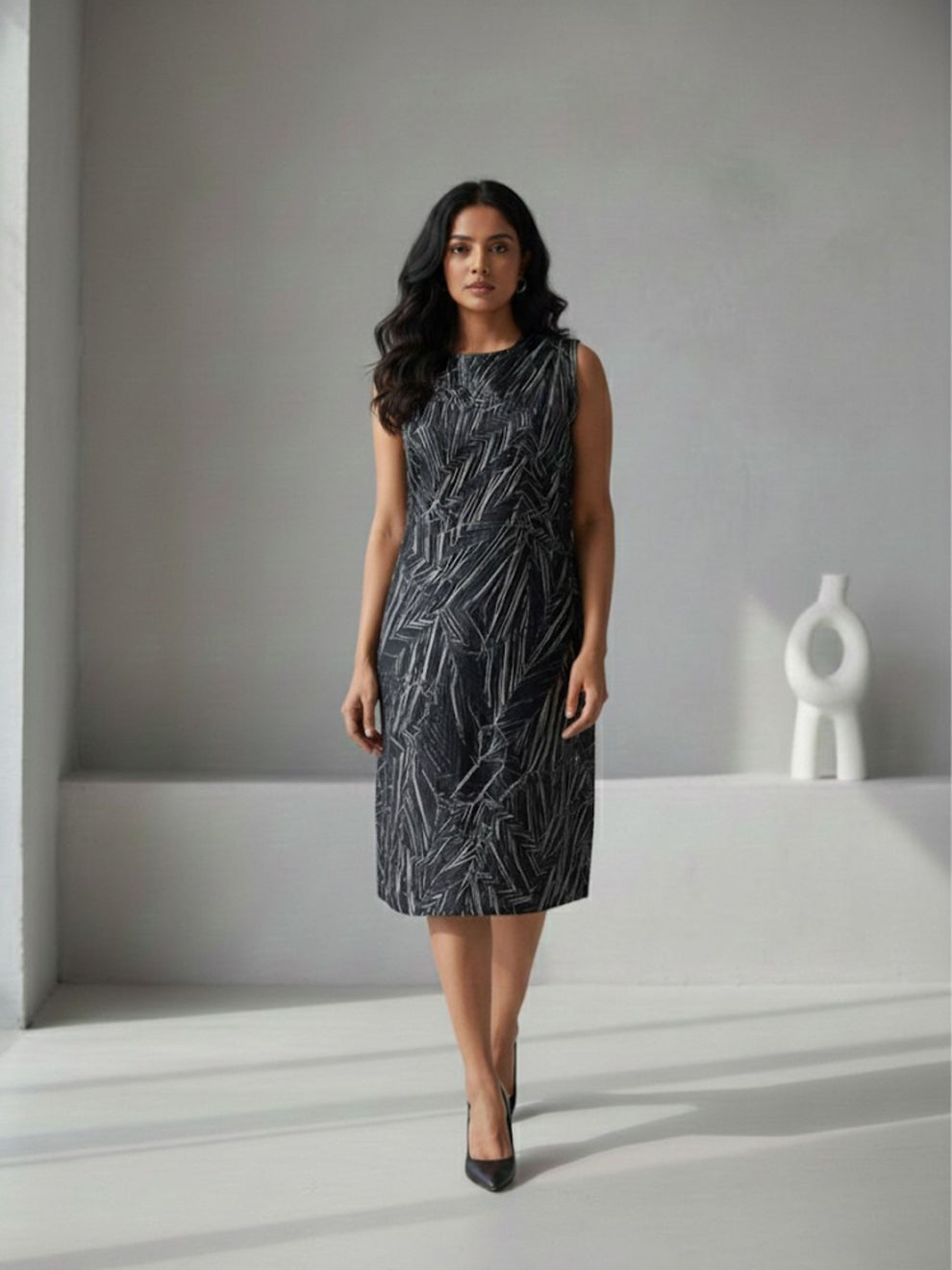


What Is Festive Wear for Women and Why Does It Feel So Different from Regular Ethnic Wear?
Most women already know the answer but struggle to put it into words.
Festive wear isn't your everyday kurta. It's also not a full bridal outfit. It lives somewhere in between, which is actually what makes it interesting. It should feel elevated without being exhausting to wear. Traditional without being costume-y. Comfortable enough that you forget you're dressed up, until someone compliments you.
The simplest way to understand it: take a plain cotton kurta and swap it for the same silhouette in chanderi silk with a little zari border. Nothing else changes. But suddenly it reads as festive. The shape stayed the same. The intent shifted. That shift is what this entire category is built on.
One more thing worth saying. Modern women's festive wear collection choices have moved away from "maximum embellishment equals maximum festivity." That's old thinking. Today the most well-dressed women at any celebration are usually the ones who made one deliberate choice and committed to it, not the ones wearing everything at once.
Which Festive Outfit Type Is Actually Worth Buying?
This is where things get practical. Here's an honest breakdown of each category.
Festive Kurta Sets: Start Here If You're Unsure
Honestly, if you're building a festive wardrobe from scratch, start with a good kurta set. A well-made one will carry you from a morning puja to an evening gathering without a single outfit change. That's a lot of value from one piece.
For daytime events, chanderi, organza, or cotton-silk are your best friends. Light, breathable, and they drape properly without looking limp. For evenings like Diwali parties or reception dinners, go for raw silk or georgette with threadwork or block print detailing. Colors that do really well under festive lighting are teal, mustard, plum, and deep red. Rich without being aggressive.
Stylish festive kurta sets for women also happen to be the easiest category to buy online because the sizing margin for error is much smaller compared to lehengas or stitched blouses. Good starting point for that reason too.
Anarkali Suits: Still Unbeatable for Formal Festive Events
The Anarkali hasn't faded, and it won't. Floor-length silhouettes are flattering on almost every body type and the range within this category is genuinely wide.
A velvet Anarkali with gota patti work is made for winter occasions, December weddings, Lohri dinners, big family functions in the cold. A printed cotton Anarkali in floral or geometric print is relaxed enough for a daytime Eid lunch or a Pongal family gathering. You barely need to think about accessories with a well-made Anarkali. One pair of gold jhumkas. That's usually enough.
Lehenga Choli: Save It for the Occasions That Actually Deserve It
Not every event needs a lehenga. But some do. Navratri garba nights, weddings you're actually part of, engagement functions where you'll be photographed all evening. Those occasions? A lehenga choli makes complete sense as celebration wear for women.
Modern versions have evolved well. You'll find sharara-style cuts, tiered skirts in ombre dyeing, and dhoti-style bottoms that feel fresh. Fabrics like tissue silk, brocade, and organza dominate this category. One honest warning though: velvet lehengas are beautiful in photographs and quietly miserable if you're in a warm city in October. Always check fabric weight before buying, especially for festive outfits blending tradition and modern style where the silhouette looks lighter than the actual material.
Sarees: The One That Never Actually Goes Out of Style
A good saree has a kind of presence that no other ethnic wear for special occasions can match. A Banarasi silk, Kanjeevaram, or Paithani carries craft history in every thread. Worn well, it reads as the most sophisticated choice in the room.
If draping is stressful for you, pre-stitched sarees have solved that problem almost completely. A silk saree paired with a sleeveless deep-back blouse and block heels is one of those combinations that works every single year without looking dated. Keep jewelry to one strong piece and the look takes care of itself.
Ethnic Co-ord Sets: Where Modern Ethnic Wear Gets Genuinely Exciting
This category has matured a lot. Printed or embroidered crop tops with wide-leg palazzos, tiered skirts, or dhoti pants. The Global Desi festive wear aesthetic built its entire identity around this kind of dressing and it works for good reason. Bold block prints, earthy terracotta and indigo tones, mirror accents. Festive but not heavy.
What makes co-ords especially smart as festival outfit ideas for women is that the pieces are separates. You can mix the top with a different skirt or the palazzo with a different kurta. More combinations from the same investment. For daytime outdoor events, sangeet functions, or Holi, this is probably the most practical festive category available right now.


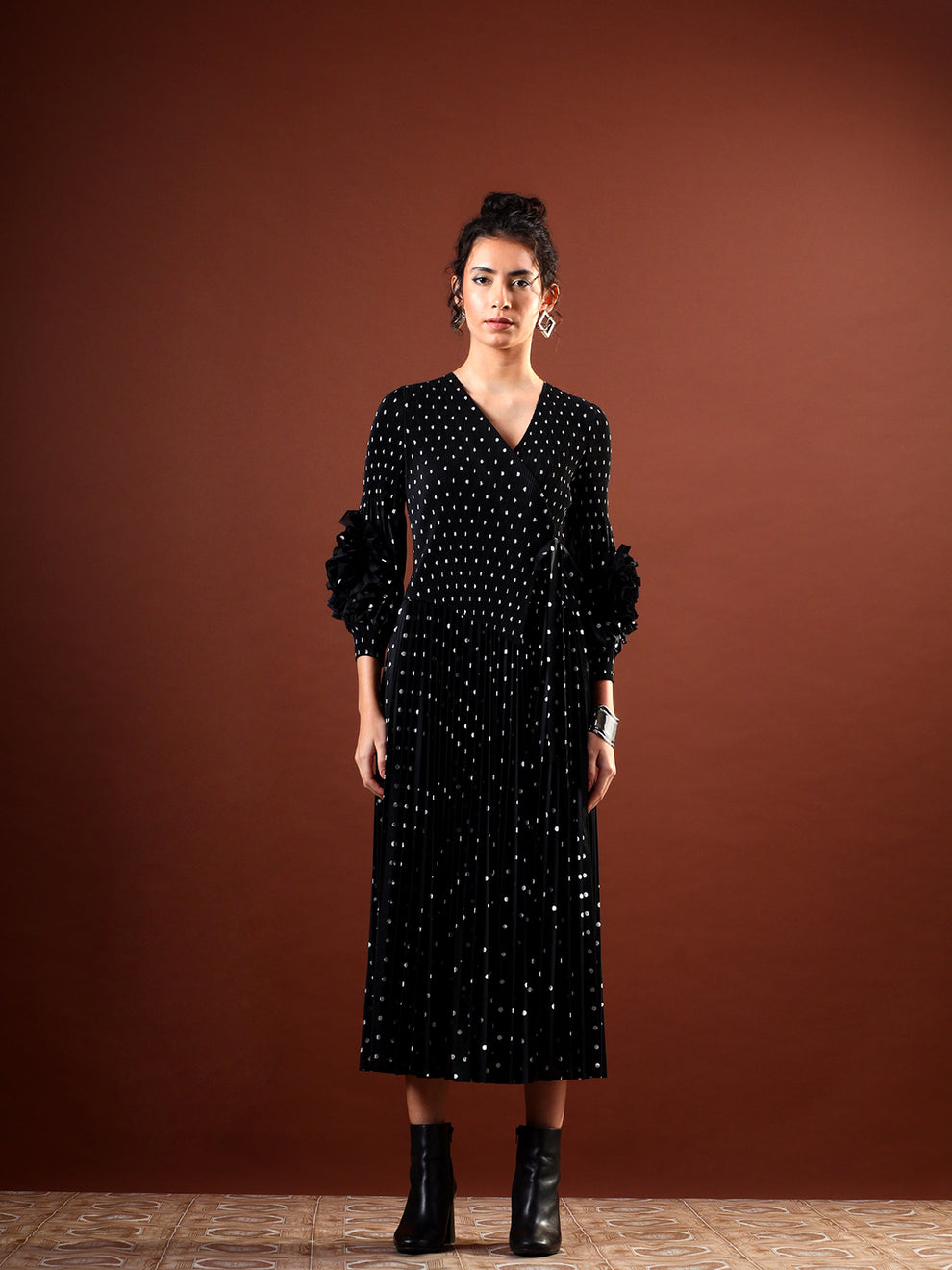


Which Fabric Should You Actually Choose and When?
Most festive dressing mistakes happen at the fabric stage, not the design stage.
For summer festivals and daytime events like Onam sadhya or a morning Dussehra puja, stay with cotton-silk, chanderi, soft georgette, or mulmul. These breathe properly. They also photograph without looking flat, which matters at celebrations. For cooler months and evening occasions, raw silk, brocade, velvet, and jacquard give you that visual weight that reads as genuinely festive once the lights go dim.
Here's a trick that's underused: an organza dupatta layered over a simple chanderi kurta immediately makes the whole outfit look more expensive and occasion-appropriate. The organza catches light beautifully and adds sheer texture without adding physical weight. It's probably the cheapest effective upgrade in festive dressing.
How Do You Style Festive Outfits Without Looking Overdressed?
Less is almost always the right answer. Most women add too much, not too little.
When your outfit is already heavily embroidered or has mirror work across the body, your jewelry should go quiet. One pair of jhumkas. A slim gold bangle. Done. The clothes are the feature. Adding more jewelry turns it into visual noise, not a look.
For a simpler outfit in a solid or lightly detailed fabric, that's your opportunity to lead with accessories. Layered necklaces, a bold maang tikka, or oxidised silver pieces come forward naturally when the base isn't competing with them.
Footwear is something people underestimate until they're limping at hour two. Kolhapuri sandals or embellished mojaris with a daytime kurta feel grounded and culturally intentional. Heeled sandals in metallic tones with a lehenga or Anarkali add the formal register that evening events need. Just test the shoes on a similar floor surface before the event. Heels and grass are a specific disaster that happens at outdoor celebrations constantly.
Dupatta placement changes the whole personality of a look. Pinned at one shoulder reads modern and intentional. Draped across both shoulders reads traditionally formal. Wrapped loosely at the waist like a sash on a kurta set reads creative and considered. Three different approaches from the same piece of fabric.
Occasion-Wise Guide: What to Actually Wear and Where
Diwali evening party: A festive kurta set in plum, teal, or deep red with zari or block print. You're sitting cross-legged on cushions, eating mithai, lighting diyas. Comfort matters as much as appearance. Anarkali works too if the event leans more cocktail than casual.
Wedding as a guest: Lehenga choli or embroidered Anarkali. Avoid red and bridal white, both are for the bride. Deep green, royal blue, and dusty rose are strong choices that photograph beautifully without stepping on anyone's moment.
Navratri garba: Chaniya choli in mirror work or bandhani print. The skirt must be flared enough to move in. Minimal jewelry. Comfortable footwear. You're dancing for hours, not posing for photographs.
Eid celebration: A sharara set or a formal Anarkali in soft pastels. Ivory, blush, sage green. Eid dressing has always been about quiet elegance and that reads well for intimate lunches and large family gatherings both.
Onam or Pongal: White and gold Kerala set saree for Onam. Cotton silk in yellow or orange for Pongal. Regional festivals have color traditions that are worth respecting in your outfit choices. It shows awareness of the occasion beyond just showing up dressed.
Morning puja at home: Cotton or chanderi kurta set in yellow, red, or orange. Not every festive moment needs to be elaborate. Comfortable and appropriate covers it.
How to Buy the Best Festive Wear for Women Online Without Getting Burned
Online festive wear shopping has one recurring trap: beautiful photographs that hide poor fabric quality.
Read fabric descriptions carefully and specifically. "Silk" without any qualifier can mean pure silk, art silk, or polyester silk and the experience on your body is very different across those three. Look for terms like "pure chanderi," "handwoven Banarasi," or "muga silk." Vague language in a fabric description is usually not a coincidence.
Check the embellishment details. Hand embroidery, block printing, and mirror work signal real craft investment. Machine embroidery is fine for some price points but it's different from handwork in terms of texture, durability, and how it behaves after washing. Know what you're paying for before you pay it.
Look at the return and exchange policy before you fall in love with anything. Festive sales move fast. Return windows shrink during those periods. An outfit that arrives in the wrong size with no exchange option is just an expensive mistake.
Care instructions are worth reading too. Silk, velvet, and heavily embroidered pieces usually need dry cleaning. If that's not realistic for your lifestyle, chanderi cotton and cotton-silk are much more forgiving and still look excellent.
One Last Thing
The best festive outfit you can own isn't the most expensive one or the most embellished one. It's the one you reach for without second-guessing yourself.
Build a small, thoughtful festive wardrobe. One or two good kurta sets. An Anarkali for formal occasions. A lehenga for the events that genuinely deserve it. From there you're covered for most of the festive year without having to start from zero every time.
When you're ready to explore, look for a women's festive wear collection from brands that actually understand ethnic occasion dressing, not just brands that sell everything and happen to have an ethnic section. That difference shows up immediately in the quality, the fit, and how the outfit actually performs at a real celebration.
Frequently Asked Questions
What's the actual difference between festive wear and party wear?
Festive wear is culturally rooted. It connects to regional craft traditions, religious occasions, and celebration customs that have been around for generations. Party wear is context-free. A sequined western dress is party wear. A handwoven Paithani saree is festive wear. A mirror-work co-ord set honestly bridges both categories depending entirely on how you wear it.
Can a kurta set work for a wedding or is it too casual?
It absolutely can. An embroidered silk or chanderi kurta set with a dupatta and good jewelry is appropriate for daytime wedding functions like mehndi, haldi, and casual sangeet. For a formal evening reception, go heavier on the embellishment or switch to an Anarkali for the added formality that floor length naturally brings.
What fabrics work in hot or humid weather for festive occasions?
Chanderi, cotton-silk, mulmul, and soft georgette. They look rich and drape well without trapping heat against your skin for hours. A chanderi kurta set in a jewel tone is genuinely one of the best all-weather investments in a festive wardrobe.
How do you modernise a saree without it looking out of place?
Start with the blouse. A sleeveless design with a deep V-back or a structured boat neck does most of the work. Pair with block-heeled sandals, carry a structured clutch, and keep jewelry to one strong piece rather than layering everything. The saree stays traditional. Everything around it does the updating.
Do ethnic co-ord sets actually work for festivals or do they look too casual?
Depends entirely on the fabric and finish. A cotton co-ord with a minimal print is daytime casual. The same silhouette in silk with mirror work or threadwork embroidery is occasion-appropriate and genuinely festive. The cut doesn't determine formality. The material and craftsmanship do.
What's the smartest approach for Navratri dressing across nine nights?
Many women follow the nine-color calendar where each night has a traditional corresponding color. If that appeals to you, plan your chaniya choli or lehenga choices around those colors each year. If nine separate outfit plans sound exhausting, choose a vibrant multi-color print that touches several of those shades and you're covered for multiple nights without the planning overhead.
How do you pick a festive outfit that works for your body type?
Start with silhouette. A-line and flared silhouettes like Anarkalis and pleated lehengas work well across most body types because they create natural balance. Petite women generally look more proportional in shorter kurtas with fitted palazzos rather than very voluminous floor-length cuts. Taller women carry dramatic lehengas and long Anarkalis beautifully. That said, the most important thing is always how you feel in it. No rule overrides that.


