

Ready-to-Wear Outfits: What Does It Mean and Why Does It Matter?
Walk into any clothing store, pick something off the rack, and buy it. That's ready-to-wear. Simple concept, but there's more to it than most people realise, especially when fashion conversations start throwing around terms like prêt-à-porter, bespoke, and couture.
If you've ever wondered what separates your everyday wardrobe from what walks down a runway, or why some brands call their collections "ready-to-wear" while others don't, this guide breaks it down properly.
What Does Ready-to-Wear Mean?
Ready-to-wear clothing refers to garments that are mass-produced in standard sizes and sold finished, off the rack, without needing any custom fitting or tailoring before purchase.
The term comes from the French prêt-à-porter, which literally translates to "ready to carry." It entered mainstream fashion vocabulary in the 1950s and 1960s when designers began producing standardised collections for the general public rather than exclusively for private clients.
In short: if you didn't commission it, it wasn't made to your measurements, and you can take it home the same day you found it, it's ready-to-wear.
That covers everything from a INR 500 kurta from a street market to a INR 50,000 designer dress from a boutique. The price range is enormous. The definition stays the same.
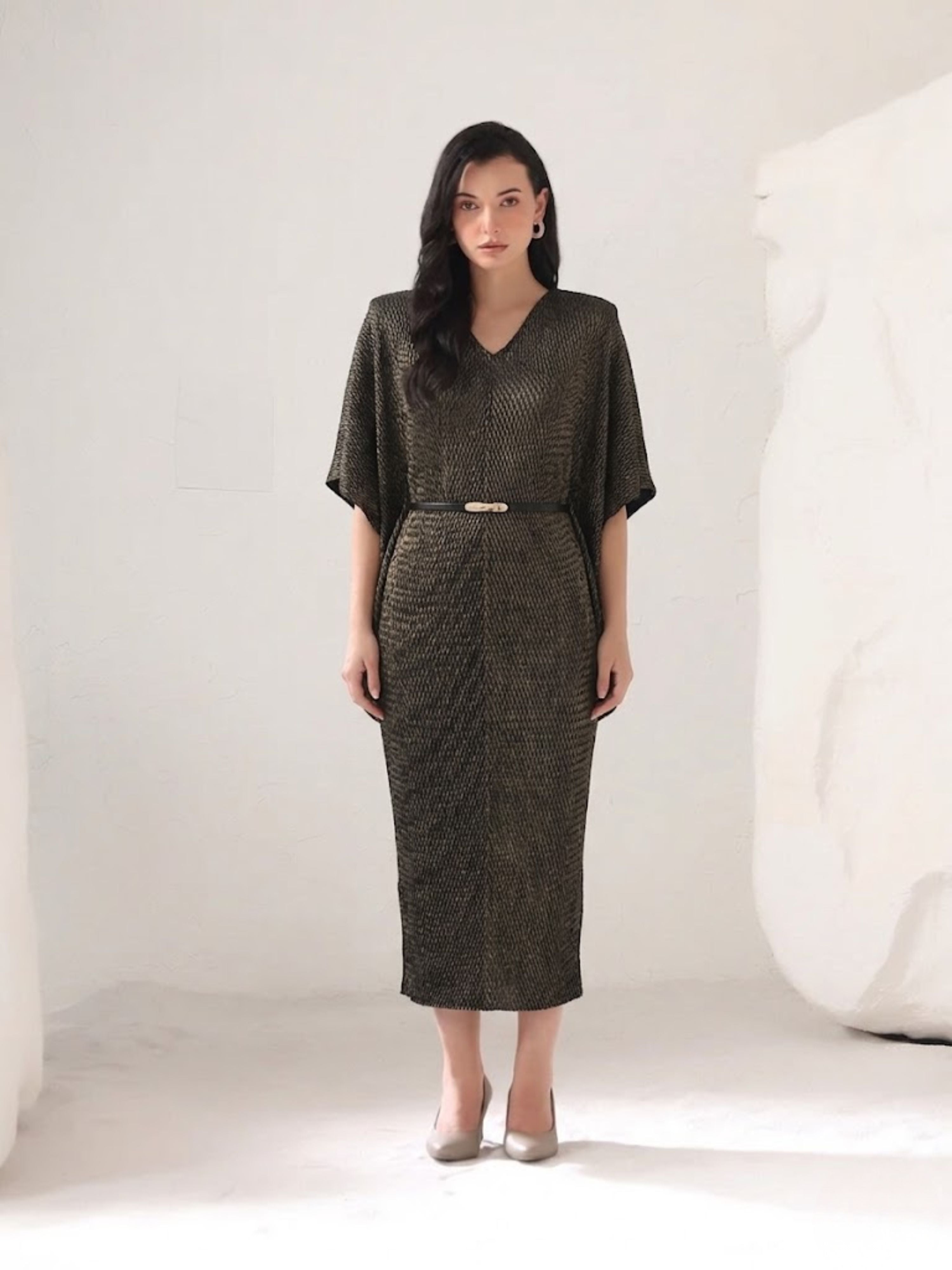
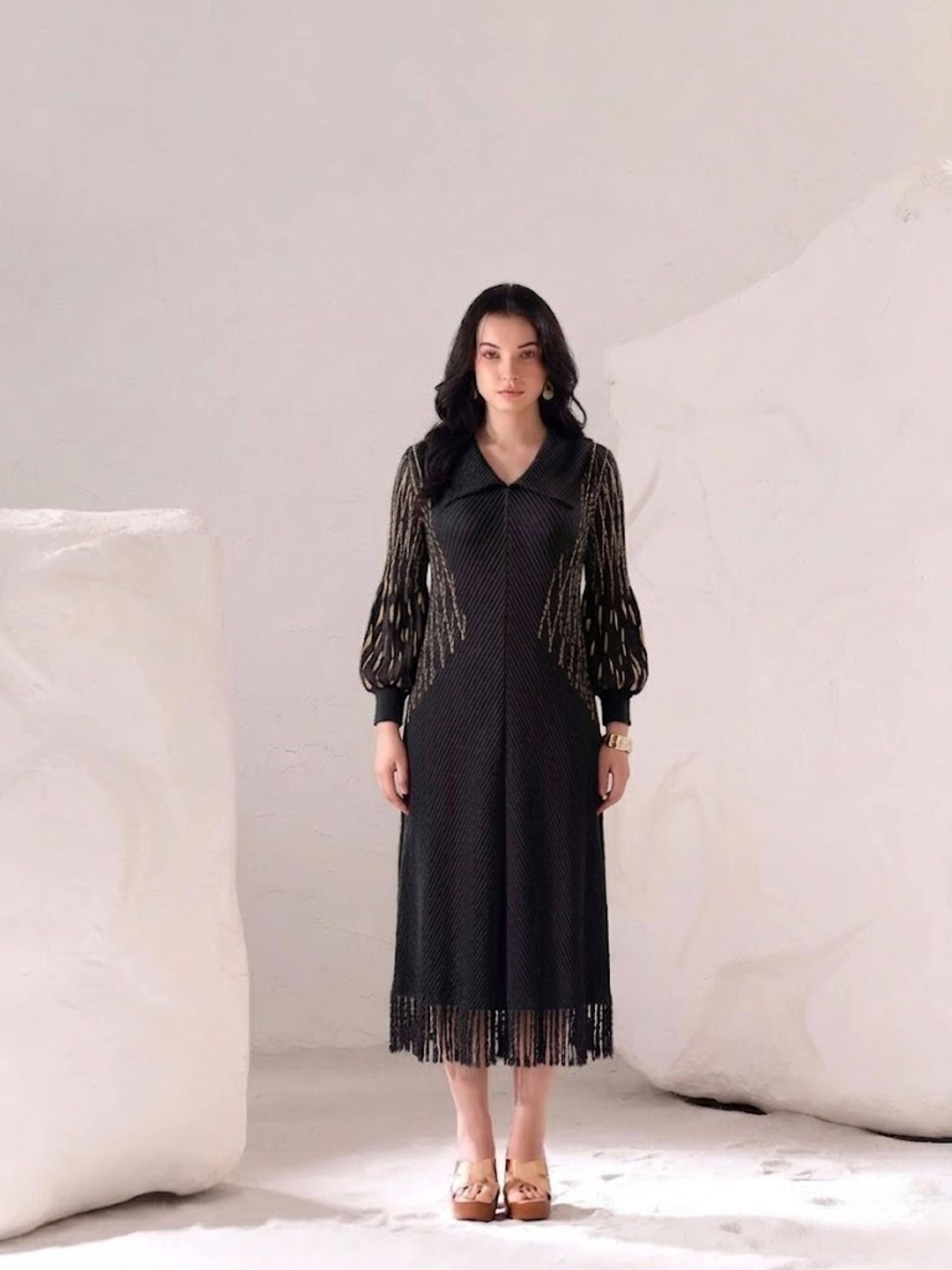
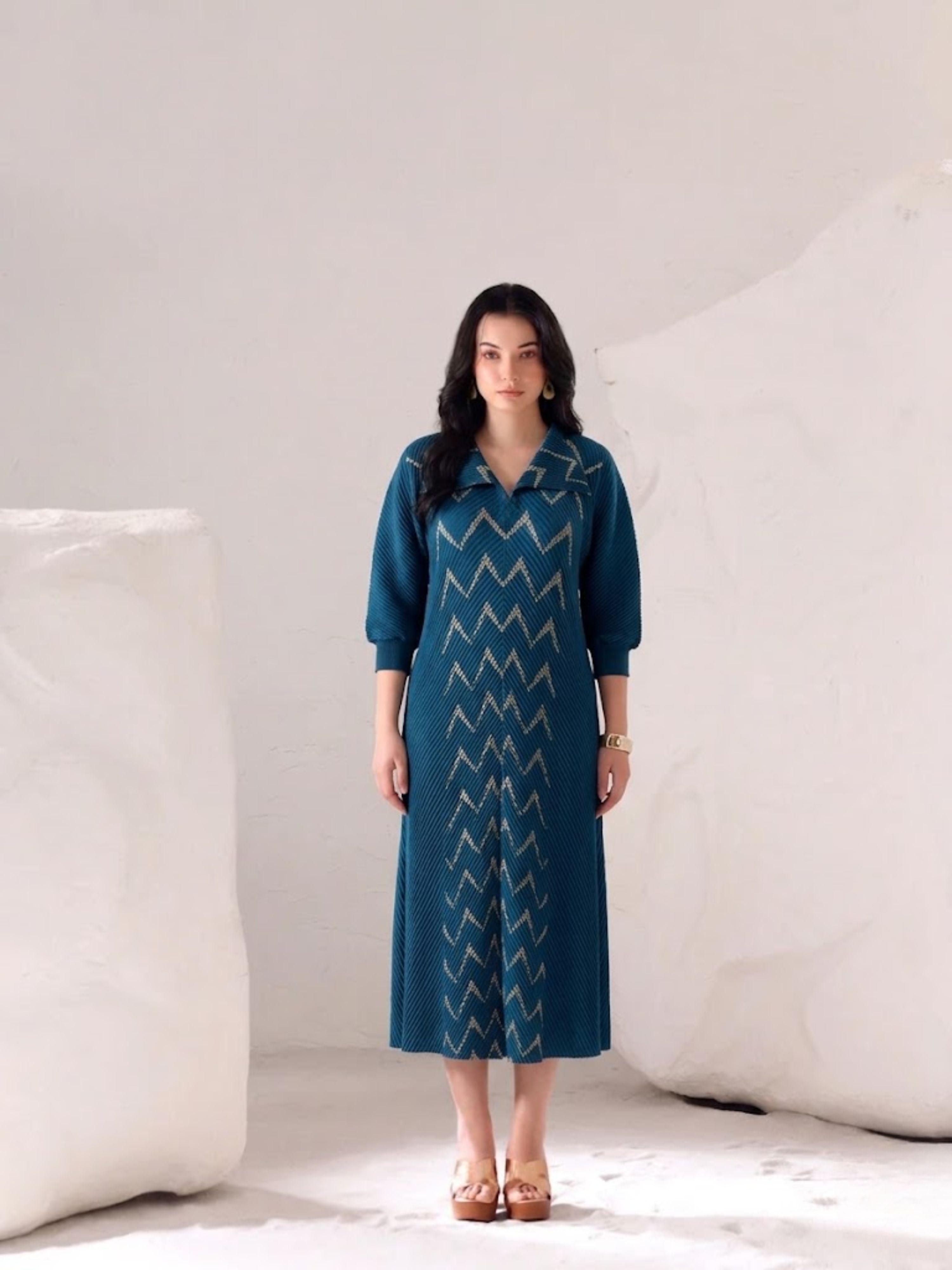
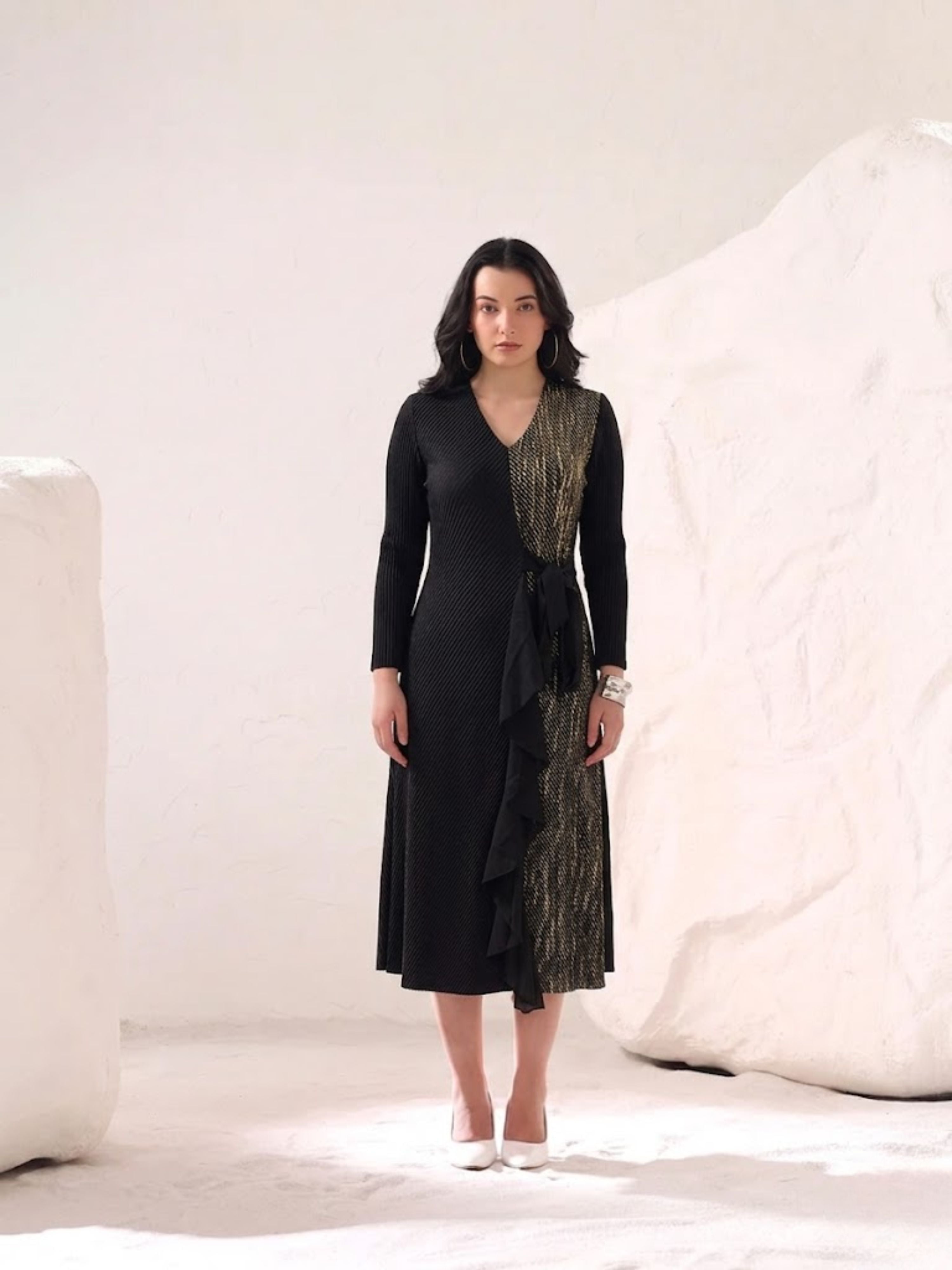
Ready-to-Wear vs Couture: What's the Actual Difference?
This is where most people get confused, because fashion brands sometimes use the term "ready-to-wear collection" in the same breath as showing at Paris Fashion Week, which sounds like the opposite of mass-market clothing.
Here's how the two actually sit:
Haute Couture is custom-made, one-of-a-kind clothing created specifically for an individual client. In France, the term "Haute Couture" is legally protected, and only a small number of fashion houses are officially allowed to use it. Pieces are hand-sewn, require multiple fittings, and cost anywhere from tens of thousands to hundreds of thousands of dollars. There are fewer than 2,000 true Haute Couture clients in the world.
Ready-to-Wear (Prêt-à-Porter) is the designer's commercially available line. Same aesthetic, same creative direction, but produced in standard sizes and quantities that can be bought without a custom order. When you see Dior, Chanel, or Valentino presenting at Fashion Week and the pieces eventually appear in stores, that's their ready-to-wear collection.
The key differences:
| Factor | Ready-to-Wear | Haute Couture |
|---|---|---|
| Production | Mass or batch produced | One-of-a-kind, custom |
| Sizing | Standard sizes | Made to exact measurements |
| Fitting required | No | Multiple fittings, sometimes months |
| Availability | Stores, online, racks | Private order only |
| Price range | Wide, from budget to premium | Tens of thousands upward |
| Who it's for | General public | A few hundred ultra-high-net-worth clients globally |
Most people will never own a Haute Couture piece. Most people already own ready-to-wear, they just didn't call it that.
Ready-to-Wear vs Bespoke Clothing
Bespoke sits between ready-to-wear and Haute Couture in most practical discussions.
Bespoke clothing is made from scratch to an individual's measurements. Unlike Haute Couture, it doesn't require the hand-craftsmanship and artistic heritage of a Paris fashion house. A tailor in your city who makes a suit to your exact proportions is producing bespoke clothing.
The word "bespoke" comes from the English tailoring tradition, specifically Savile Row in London. When fabric was "bespoken for" a customer, it was set aside for them. Today the term covers any garment made specifically to one person's measurements.
Ready-to-wear vs bespoke comes down to this:
Ready-to-wear is produced before you show up. Bespoke is produced because you showed up.
Ready-to-wear fits reasonably well for most body types and can often be altered after purchase. Bespoke fits perfectly from the start because it was built around you specifically. Bespoke costs significantly more and takes significantly longer. Ready-to-wear is available immediately.
For most wardrobe needs, ready-to-wear with occasional alterations is the practical answer. For a wedding suit, a significant formal occasion, or anyone whose body proportions don't fit standard sizing well, bespoke is worth the investment.
Prêt-à-Porter Clothing: The French Connection
Prêt-à-porter is simply the French term for ready-to-wear. The two are interchangeable.
The reason it still appears in fashion writing is largely historical. The first prêt-à-porter collections were introduced by French designers in the mid-20th century as a way to bring designer aesthetics to a wider market. Pierre Cardin showed the first prêt-à-porter collection at a department store in 1959. Yves Saint Laurent followed with his first Rive Gauche boutique in 1966, specifically positioned as an accessible ready-to-wear alternative to his couture line.
Before this, designer clothing was entirely custom. Prêt-à-porter changed the structure of the fashion industry permanently, creating the commercial ready-to-wear market that operates today.
When a brand describes itself as prêt-à-porter, it's signalling that it operates in the designer ready-to-wear space, not couture, but positioned above fast fashion in quality and creative direction.
What Makes Ready-to-Wear Fashion Work
The appeal of ready-to-wear outfits isn't just convenience, though that's a large part of it.
Consistency: The same design is reproduced reliably across thousands of units. You know what you're getting before you buy it.
Accessibility: Ready-to-wear fashion brings design-led clothing to anyone willing to pay the price point, whether that's budget high street or premium designer.
Speed: You can complete an outfit purchase in minutes. Bespoke takes weeks or months.
Variety: The ready-to-wear market produces an enormous range of styles, silhouettes, and price points simultaneously. Finding something that suits you doesn't require commissioning it.
Try before you buy: You can put it on before purchasing. Bespoke requires trusting the process through fittings.
The limitations are equally straightforward. Standard sizing doesn't fit every body type equally well. Ready-to-wear garments are designed around an average, and bodies aren't average. Off-the-rack fits well for many people and poorly for others, which is why basic tailoring alterations after purchase are common and worth budgeting for if fit matters to you.
Women's Ready-to-Wear Collection: How It's Organised
Most fashion brands, from high street to luxury, organise their women's ready-to-wear around seasonal collections. Spring/Summer and Autumn/Winter are the two primary seasons, each presented roughly six months before the season arrives in stores.
Within a collection, ready-to-wear typically covers:
- Tops and blouses — the most versatile entry point for most shoppers
- Trousers and skirts — where standard sizing shows the most variation in fit across body types
- Ready-to-wear dresses — often the hero pieces in a collection, the ones that get photographed and featured most prominently
- Outerwear — coats, jackets, blazers, pieces that anchor a season's look
- Co-ord sets and suits — increasingly popular as a category, especially in Indian fashion where matching sets have deep cultural roots
For Indian women's ready-to-wear collections specifically, the category has expanded significantly over the last decade. Brands now produce ready-to-wear versions of ethnic silhouettes, kurta sets, sharara suits, and lehenga separates that were previously only available through tailoring or custom work. This has made occasion wear far more accessible for women who don't have the time or budget for custom tailoring before every function. For outfit ideas across both ethnic and western silhouettes, ethnic dress outfit ideas for women and latest dresses for ladies 2026 are worth browsing for practical styling reference.
Ready-to-Wear Dresses: What to Look For
Dresses are often where the ready-to-wear experience is at its best and worst simultaneously. If you're looking for specific styles that are trending right now, latest western dresses in fashion 2026 covers current silhouettes and styling ideas in detail.
At its best, a well-designed ready-to-wear dress requires no alteration and works across multiple occasions. The design work, drape, and construction that goes into a good ready-to-wear piece can be exceptional even at non-luxury price points.
At its worst, a dress that looks stunning on a hanger fits awkwardly in real life because it was designed around a specific body shape that doesn't match yours.
A few things worth paying attention to when buying ready-to-wear dresses:
- Fabric weight and structure — heavier fabric forgives more. Light, unstructured fabric shows fit imperfections clearly.
- Bust and waist placement — dresses with defined seams at the bust or waist can be adjusted more easily by a tailor than unstructured styles.
- Hem length — almost always adjustable without affecting the overall design.
- Shoulder fit — the hardest thing to alter well. If the shoulders fit, the rest of a dress is usually workable.
Ready-to-wear dresses are also where alteration investment pays off most clearly. A INR 3,000 dress that fits perfectly after a INR 400 hem alteration is a better wardrobe investment than a INR 5,000 dress that fits almost right.
Ready-Made Clothing: Is It the Same Thing?
Ready-made clothing and ready-to-wear are essentially the same concept described differently.
"Ready-made" tends to be used in more practical, commercial contexts, particularly in South Asian retail. "Ready-to-wear" carries slightly more fashion-industry connotation. A garment store selling ready-made kurtas and a designer presenting a ready-to-wear collection are both describing pre-made, standard-sized clothing. The terminology shifts with context, not with the product.
The distinction matters only when comparing against tailored or bespoke alternatives, where the production process and fit outcome are genuinely different.
Frequently Asked Questions
What does ready-to-wear mean in fashion?
Ready-to-wear refers to clothing that is mass-produced in standard sizes and available for immediate purchase without custom fitting. It covers everything from high street basics to luxury designer collections.
What is the difference between ready-to-wear and couture?
Couture (specifically Haute Couture) is custom-made to an individual's exact measurements, hand-crafted, and produced in extremely limited quantities for a very small number of clients. Ready-to-wear is produced in standard sizes for the general market.
What does prêt-à-porter mean?
Prêt-à-porter is the French term for ready-to-wear, literally meaning "ready to carry." It's used interchangeably with ready-to-wear, particularly in designer and luxury fashion contexts.
What is the difference between ready-to-wear and bespoke clothing?
Bespoke clothing is made from scratch to an individual's specific measurements. Ready-to-wear is made in standard sizes before any individual customer orders it. Bespoke fits better from the start but costs more and takes longer.
Why do luxury brands have ready-to-wear collections if they also do couture?
Ready-to-wear collections allow luxury brands to reach a significantly larger customer base. Couture is financially and logistically inaccessible for most people. Ready-to-wear carries the brand's design identity at a commercially viable price and scale.
Is all ready-to-wear clothing low quality?
No. Quality varies enormously within ready-to-wear. A designer ready-to-wear piece from a luxury brand can involve premium fabrics, careful construction, and significant design investment. The category covers everything from fast fashion to high-end designer, with quality reflecting price and brand philosophy rather than the category itself.
Can ready-to-wear clothing be altered?
Yes, and it often should be. Most ready-to-wear garments are designed around a generalised body shape, and minor alterations from a skilled tailor, hem adjustments, waist takes-ins, strap shortening, can significantly improve how a piece fits and feels.
The Bottom Line
Ready-to-wear outfits are the foundation of how most people dress every day. The term sounds like jargon but it's describing something genuinely simple: clothing made in advance, available to anyone, in standard sizes.
Understanding where it sits relative to couture and bespoke helps make sense of why fashion is priced the way it is, and why the same designer name can appear on something you see at a store and something only 200 people in the world will ever own.
For most wardrobes, ready-to-wear with occasional targeted alterations is the right answer. The key is knowing what to look for when buying it, and not confusing "off the rack" with "not worth caring about." Good ready-to-wear fashion, chosen and worn well, is what most great personal style is actually built on.
Also Read:


